Heated bird baths / Guide
Are Heated Bird Baths Safe?
Safe for the birds, and safe for you if the electrics are right. Almost every genuine hazard in this category is a cord or an outlet, not a heater.
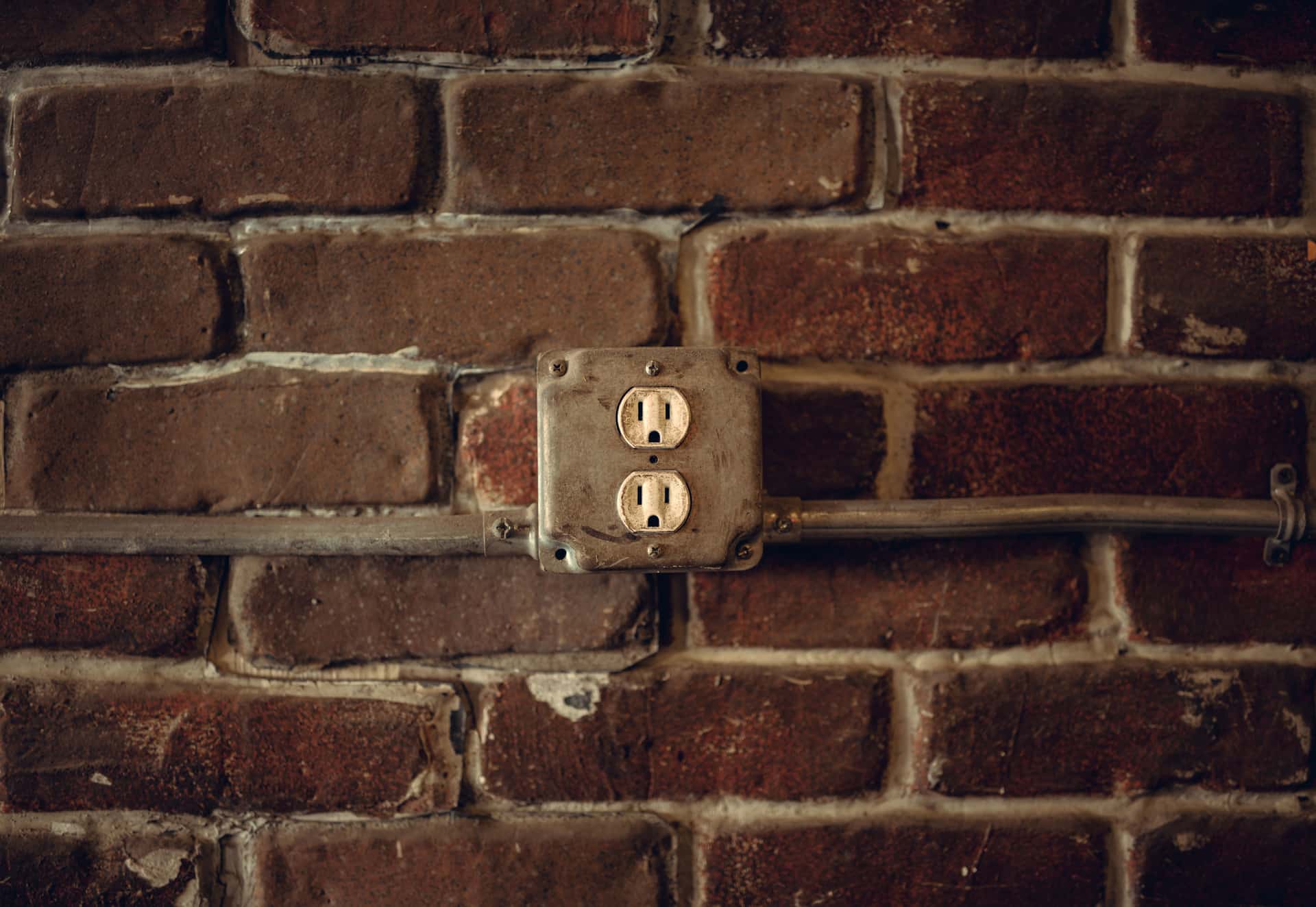
Yes. A submersible de-icer or heated bath designed for the job runs at a few degrees above freezing, not hot, and safety-listed models are tested for exactly this use. The real hazards are electrical and human: an outlet that is not GFCI-protected, or an indoor extension cord used outdoors. Fix those two and the rest is straightforward.
The electrical rules, in order of importance
- GFCI, always. A ground-fault circuit interrupter cuts power in milliseconds when current leaks to ground. Water and electricity in a yard is precisely the case it exists for. If your outdoor socket is not GFCI-protected, get one fitted before you buy the bath, not after.
- Outdoor-rated cords only. If you need an extension, it must be rated for outdoor wet use and heavy enough for the load. An indoor cord in weather is the single most dangerous thing in this category and it is entirely avoidable. How to read a cord specification.
- Drip loop at every connection. Let the cord sag below the socket or joint before rising into it, so water runs off the low point instead of tracking into the plug.
- Keep the joint out of standing water and snow. A connection lying in slush is a connection that will eventually fail. Get it off the ground, on a post or a block.
- Check the cord in autumn. UV, frost and rodents all degrade cords. A cracked jacket in November is a fault waiting for the first wet week.
What the safety listings mean
Two of the de-icers on this site publish a listing. K&H states that the Ice Eliminator Original is tested and certified by MET Labs, and that the Super Ice Eliminator is safety listed for submersible outdoor use. That is a third party testing the product against a standard, and it is worth having.
A listing is not a guarantee against misuse. It certifies the unit as built, plugged into an appropriate supply. Every listed de-icer on the market becomes unsafe on an ungrounded, unprotected circuit with a damaged indoor cord — and that is the configuration people actually create.
Is it safe for the birds?
The wet-feather question
The common worry is that a bird will bathe in the heated water, get soaked, and then freeze. It is a reasonable worry and it is why every unit here targets just-above-freezing rather than warm. Water at a few degrees above freezing is drinkable and unappealing to fully bathe in, which is the behavior you want.
Birds are also better judges of this than we give them credit for. They bathe in open water in winter routinely — at streams, at springs, at any unfrozen edge — and they do it on the milder days rather than the bitter ones. The thing you should not do is add anything to make the water warmer, or add antifreeze, glycerine or salt, all of which are actively harmful.
Depth and drowning
Small birds want an inch to two inches. A deep, steep-sided basin is a hazard for a fledgling or an exhausted bird in any season. If your basin is deep, put a flat stone in it to create a shallow shelf — which also gives birds something to grip.
Cleanliness
This is the underrated one. A heated bath in constant winter use concentrates birds at a single water source, and nothing evaporates. Droppings, hulls and debris accumulate in water many birds are drinking from. Empty and scrub it weekly. Disease transmission at a filthy shared water source is a far more realistic risk to your birds than the element ever was, and cleaning feeders and baths in winter covers how to do it without cracking a cold basin or leaving disinfectant behind.
Fire risk, and where it actually is
Not in the bath. A sealed element submerged in water cannot overheat while there is water around it — the water is the heat sink. Two places the risk genuinely sits:
- The connection point. A degraded or unrated cord joint in weather can arc. This is the real one.
- A dry-run. An element in an empty basin has nothing to dump heat into. Most units here are thermostatic and cut out, but a bath that has drained itself because it tipped is a situation to avoid — which is why frost heave and wind stability matter more than they sound. The stand page covers it.
What we would buy
Winter Perch is funded by affiliate commission. If you buy through a link on this page we may earn a commission at no extra cost to you, and it never decides a ranking. Full disclosure · how we pick.
Quick picks
Ranked, with the trade-off named. Tap a row for the full write-up; the price button goes straight to Amazon.
| # | Product | Best for | Price |
|---|---|---|---|
| 1 |  K&H Super Ice Eliminator Bird Bath De-Icer, 80 WThe 50 W unit with enough extra element to cope with a bigger basin and a colder night. If you are buying one de-icer without measuring anything, buy this one. | Most yards, most winters — the default de-icer | $28.91 · See it on Amazon |
| 2 | 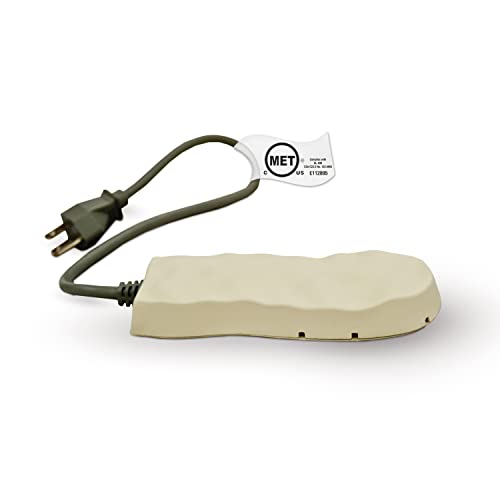 K&H Ice Eliminator Original Birdbath De-Icer, 50 WFifty watts is the smallest published draw of anything here, and it is a rock-shaped lump you drop into the bath you already own. For most people this is the cheapest correct answer. | The lowest running cost on the site | $24.99 · See it on Amazon |
| 3 |  API BDT250 Bird Bath De-Icer, 250 WCast aluminum, thermostatically controlled, made in the USA, and 250 W — the heavy end of the range, and overkill for a small bath. | Big basins and genuinely severe cold | $57.99 · See it on Amazon |
#ad how we are funded · price as of October 15, 2026
The picks in full
Top pick Most yards, most winters — the default de-icer
K&H Super Ice Eliminator Bird Bath De-Icer, 80 W
The 50 W unit with enough extra element to cope with a bigger basin and a colder night. If you are buying one de-icer without measuring anything, buy this one.
Specifications
- Rated watts
- 80 W
- Form
- Submersible, natural rock shape
- Control
- Automatic
- Finish
- Paintable enamel
- Safety
- Safety listed for outdoor submersible use
Trade-offs
- 80 W is the sweet spot: enough for a 20-inch basin, well under a 150 W bath
- Automatic, so there is no switch to forget
- Same drop-in convenience as the 50 W, same paintable finish
- Works in the bath you already own, at any mount height
- 60 percent more draw than the 50 W for buyers with a small basin who did not need it
- Still a cord in the water
- The rock shape takes up basin space small birds could be standing in
Wattage: 80 W
K&H states 80 watts, and the listing is explicit that the unit is safety listed and automatic. Eighty watts holds a typical 16 to 20 inch basin open through a normal northern winter night.
At full draw for a four-month winter (120 days), plugged in around the clock: 80 W x 2880 h = 230.40 kWh, x $0.1834/kWh = $42.26 — $42.26 at $0.1834/kWh. A thermostatic unit will land under that.
Who it is forThe default buyer: an existing 16 to 20 inch bath, a normal northern winter, no interest in replacing the bath itself.
Skip it ifSkip it if your basin is under about 14 inches. The 50 W version does that job and costs less to run every single day of the winter.
#ad how we are funded · price as of October 15, 2026
No. 2 The lowest running cost on the site
K&H Ice Eliminator Original Birdbath De-Icer, 50 W
Fifty watts is the smallest published draw of anything here, and it is a rock-shaped lump you drop into the bath you already own. For most people this is the cheapest correct answer.
Specifications
- Rated watts
- 50 W
- Form
- Submersible rock-shaped housing
- Safety listing
- Tested and certified by MET Labs
- Finish
- Paintable — spray to match your basin
- Control
- Automatic
Trade-offs
- 50 W is the lowest published draw on this site
- Uses the bath you already own, so the whole purchase is the element
- Solid housing is weighted to stay put instead of floating out
- Paintable, so it stops looking like a gray lump in a stone bowl
- 50 W will not hold a large, deep or wind-exposed basin open in a hard freeze
- It is a cord in your bath water, which some people simply do not want to look at
- No published thermostat set points
Wattage: 50 W
K&H states 50 watts. That is the difference, at the cited EIA rate and at full draw for a four-month winter, between roughly twenty-six dollars and roughly a hundred and thirty — and no thermostatic de-icer runs at full draw all winter.
At full draw for a four-month winter (120 days), plugged in around the clock: 50 W x 2880 h = 144.00 kWh, x $0.1834/kWh = $26.41 — $26.41 at $0.1834/kWh. A thermostatic unit will land under that.
Who it is forAnyone who already owns a bath they like and wants water in it in December for the least money and the least power.
Skip it ifSkip it if your bath is wide, deep, or sits in open wind, or if you are routinely below about 10 F. Step up to the 80 W Super or an API de-icer.
#ad how we are funded · price as of October 15, 2026
No. 3 Big basins and genuinely severe cold
API BDT250 Bird Bath De-Icer, 250 W
Cast aluminum, thermostatically controlled, made in the USA, and 250 W — the heavy end of the range, and overkill for a small bath.
Specifications
- Rated watts
- 250 W
- Material
- Cast aluminum
- Control
- Thermostatically controlled
- Origin
- Made in USA
- Also rated for
- Small ponds
Trade-offs
- 250 W will hold open a basin nothing else here can manage
- Cast aluminum survives freeze-thaw better than molded plastic housings
- Thermostatic, so it is not a dumb element
- Doubles as a small pond de-icer
- Five times the rated draw of the K&H 50 W — the running-cost gap is the largest on this site
- Aluminum against a glazed or ceramic basin can mark it
- Total overkill in a mild winter or a small bath
Wattage: 250 W
API states 250 watts. This is the highest rated draw on the site. It is the right answer for a large or deep basin in a severe climate and the wrong answer for a 14-inch bowl in Virginia. The thermostat means it is not drawing 250 W continuously, but it is the ceiling you are signing up for.
At full draw for a four-month winter (120 days), plugged in around the clock: 250 W x 2880 h = 720.00 kWh, x $0.1834/kWh = $132.05 — $132.05 at $0.1834/kWh. A thermostatic unit will land under that.
Who it is forLarge basins, deep basins, exposed sites, and northern-tier winters where a 50 W unit gives up.
Skip it ifSkip it unless you have measured your basin and know your winter. On a normal 18-inch bath this is the most expensive way to keep water open, and it is easy to buy on the assumption that more watts is better.
#ad how we are funded · price as of October 15, 2026
How we picked
- Manufacturer-stated safety listings, cited to the listing that carries them.
- Standard outdoor electrical practice — GFCI protection, outdoor-rated cords, drip loops — which is not product-specific and applies to every unit here.
- No claim about units we cannot cite. Where a maker states no listing, we do not assume one.
We have not tested any of these. What we did instead: read the manufacturers’ own listings, compiled the published specifications, computed the running cost at a cited electricity rate, and refreshed the prices daily. The full method is published.
For the full shortlists, the de-icer roundup and the heated bath roundup. For how the thermostat behaves, how heated bird baths work. Winter water is one leg of a setup that also needs food and shelter.
Questions people actually ask
- Are heated bird baths safe for birds?
- Yes. They hold water a few degrees above freezing, not warm, which keeps it drinkable without encouraging a full bathe in bitter air. The safety-listed models are third-party tested for submerged outdoor use.
- Will birds get wet and freeze?
- Not from a properly working unit. The water is barely above freezing, and birds choose when to bathe — they use open water in winter routinely and pick the milder days for it.
- Can I add antifreeze or salt to stop it freezing?
- No. Antifreeze and salt are toxic to birds, and oil or glycerine coats feathers and destroys the insulation that keeps a bird alive overnight. Water only, kept liquid by an element.
- Do I need a GFCI outlet?
- Yes. It is the single most important safety measure in this category, and it should be in place before you buy the bath rather than added afterwards.
- Can I use a regular extension cord?
- No. Use an outdoor-rated cord of adequate gauge, with a drip loop, kept out of standing water. An indoor cord used outdoors is the genuine hazard here.
- Is there a fire risk?
- Essentially none from a submerged element — the water is the heat sink. The risk sits at the cord connection in weather, and in a bath that has tipped and drained itself while still plugged in.
Sources
Read next
- The Best Bird Bath De-Icers
Five drop-in de-icers from 50 W to 250 W, matched to basin size, with the running cost worked out for each.
- How Heated Bird Baths Work
The thermostat, the element and the set points — and why the rated wattage on the box is a ceiling rather than a bill.
- Heated Bird Baths With a Stand
Stand and pedestal heated baths, and the three winter problems — heave, wind and cord routing — that come with them.
- How Birds Survive Winter
The four mechanisms small birds use to survive a freezing night, what breaks them, and what a yard can actually contribute.