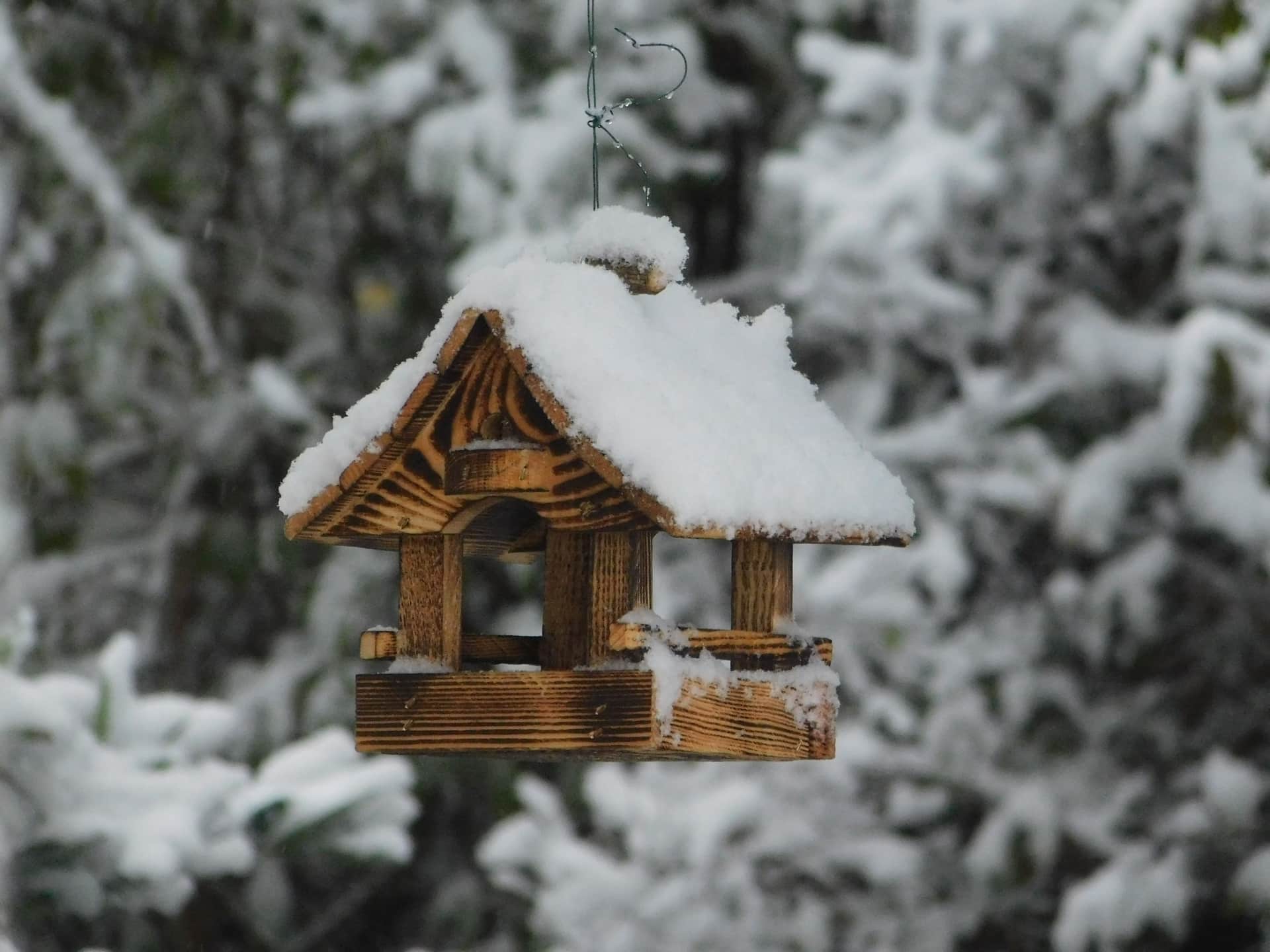
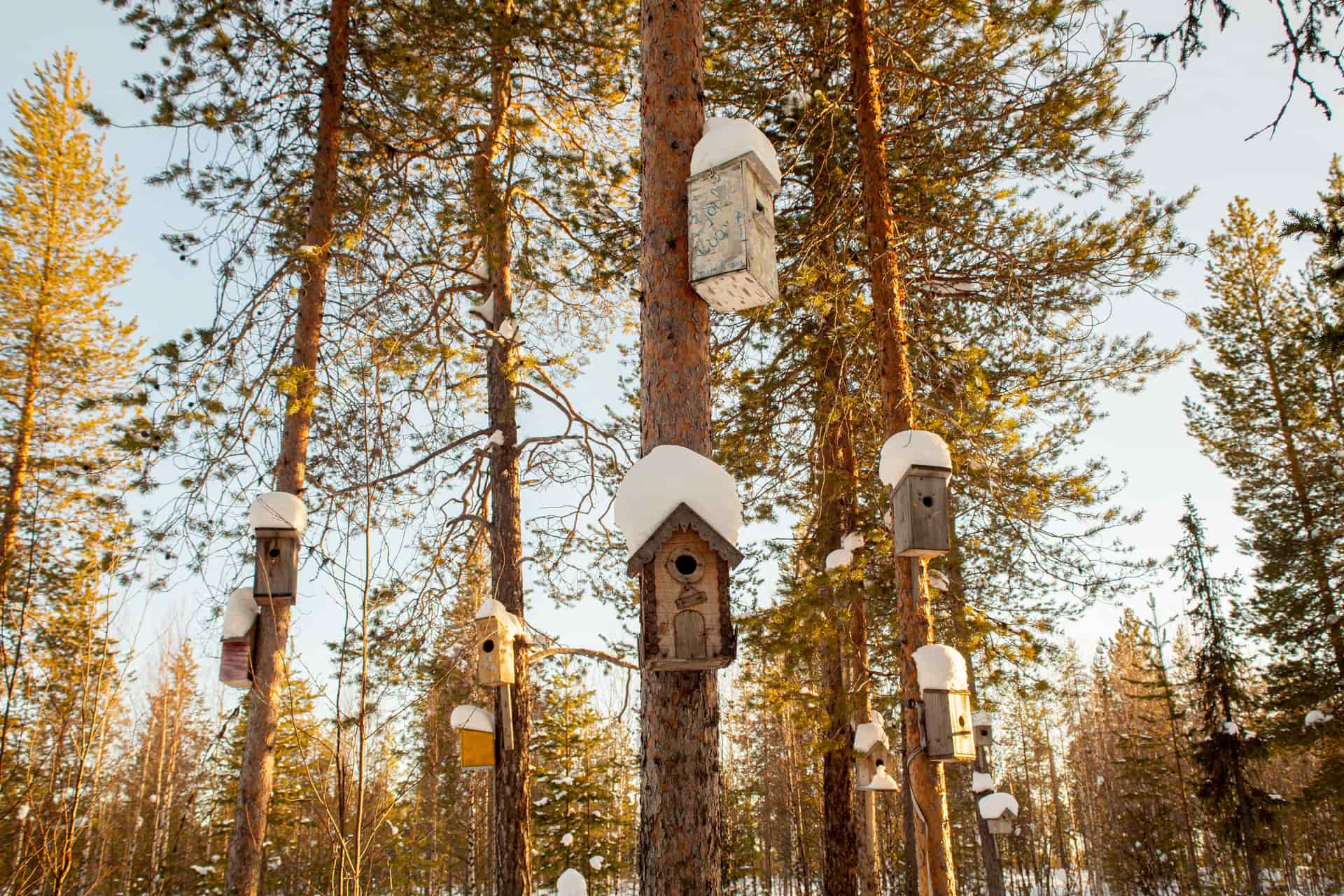
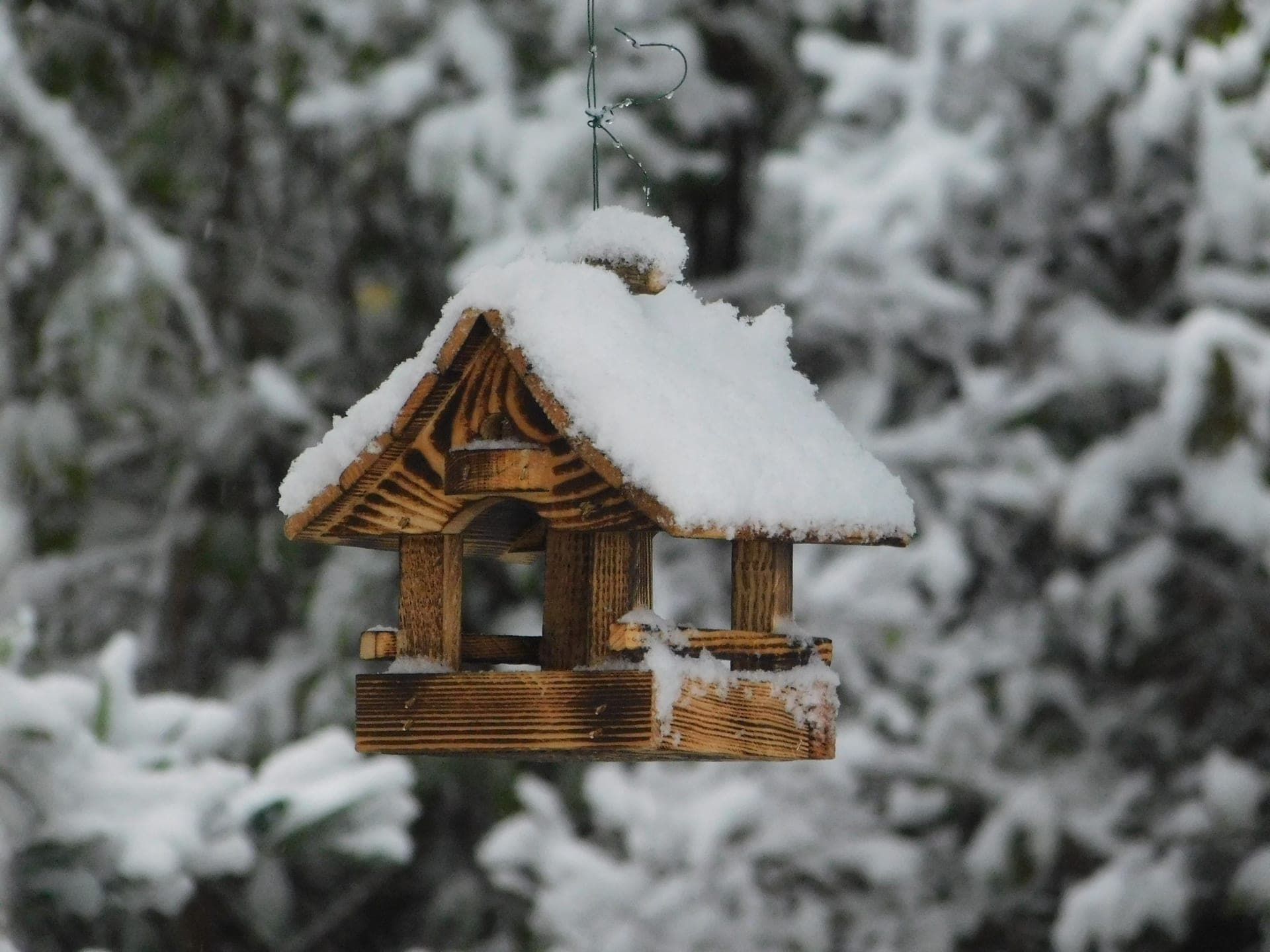
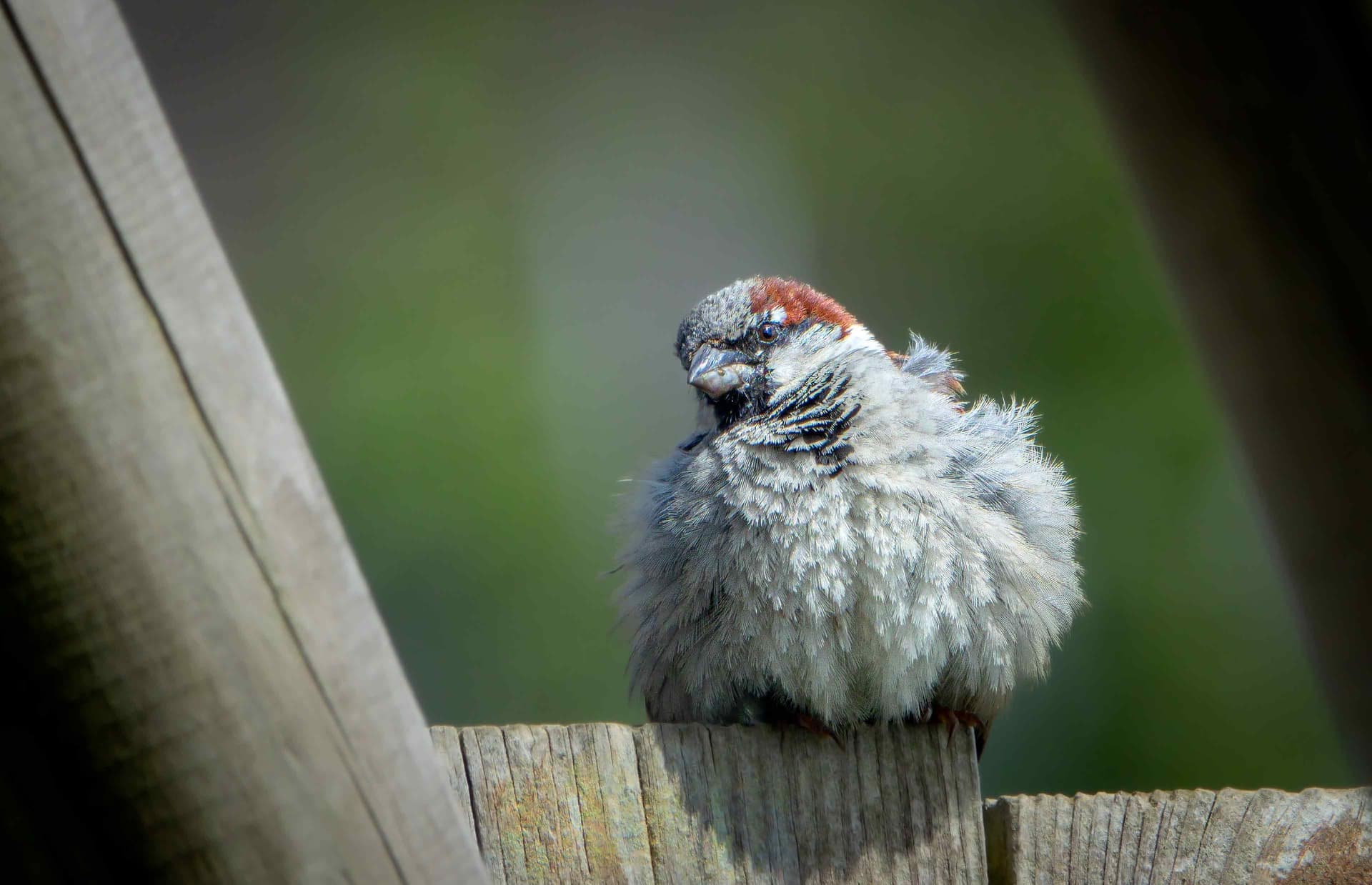
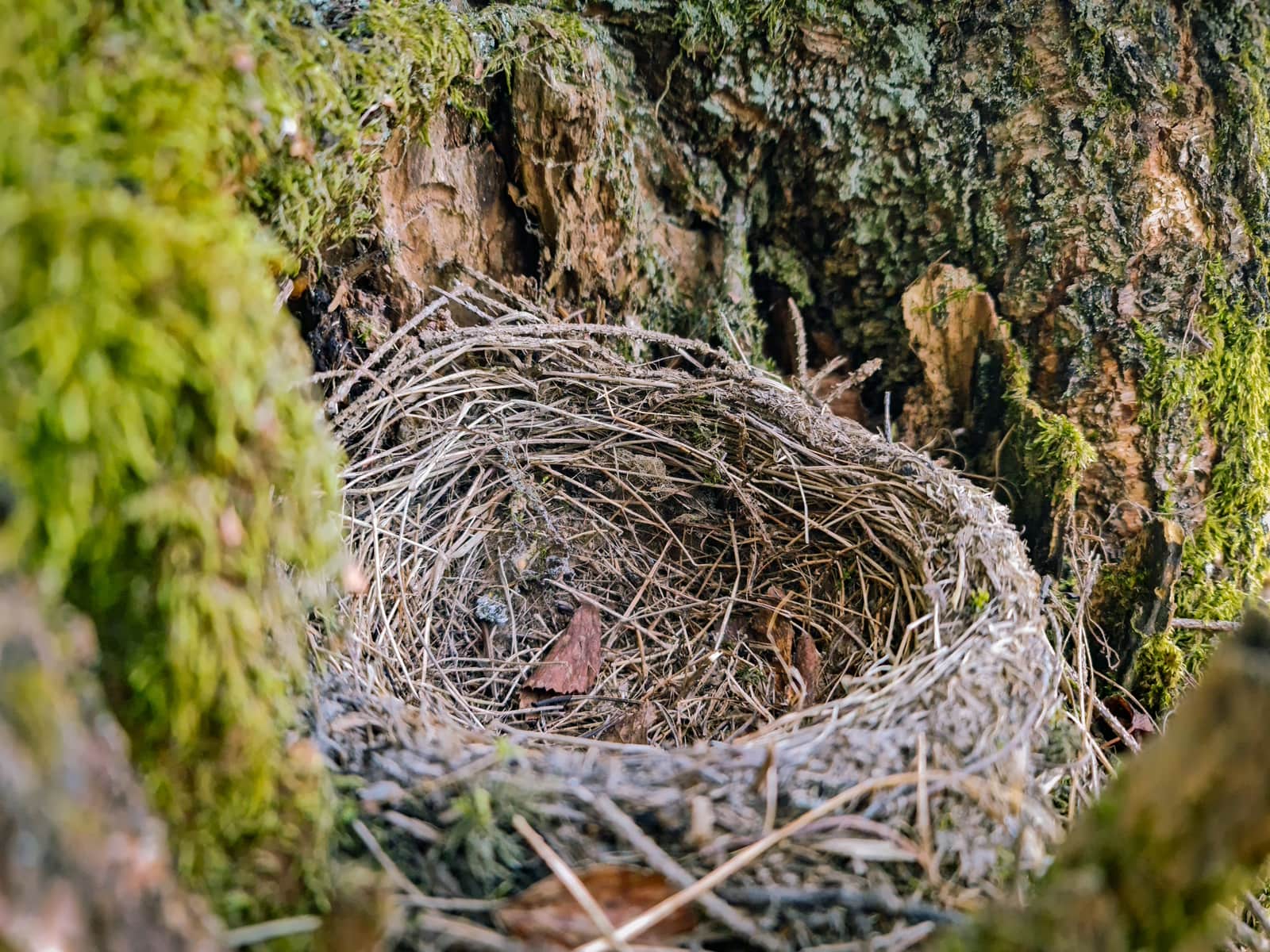
A small bird's survival problem in winter is overnight heat loss. It solves that three ways: it fluffs its feathers to trap air, it shivers to generate heat, and some species drop their body temperature overnight to reduce the loss. All three are cheaper if the bird is out of the wind — which is what shelter in your yard is for.
What the night actually costs a bird
Audubon's account of how birds cope with cold is worth reading in full, but the short version is that feathers are the insulation and air is the insulator: a fluffed bird has created hundreds of trapped air pockets. Shivering keeps the core warm and burns the fat banked during the day. The energy budget is genuinely tight, and wind is what breaks it — moving air strips the trapped layer faster than anything else.
That is why shelter, not warmth, is the thing you can actually provide. You cannot heat a yard. You can give a chickadee somewhere the wind does not reach. How birds survive winter goes through the physiology properly.
How this category divides
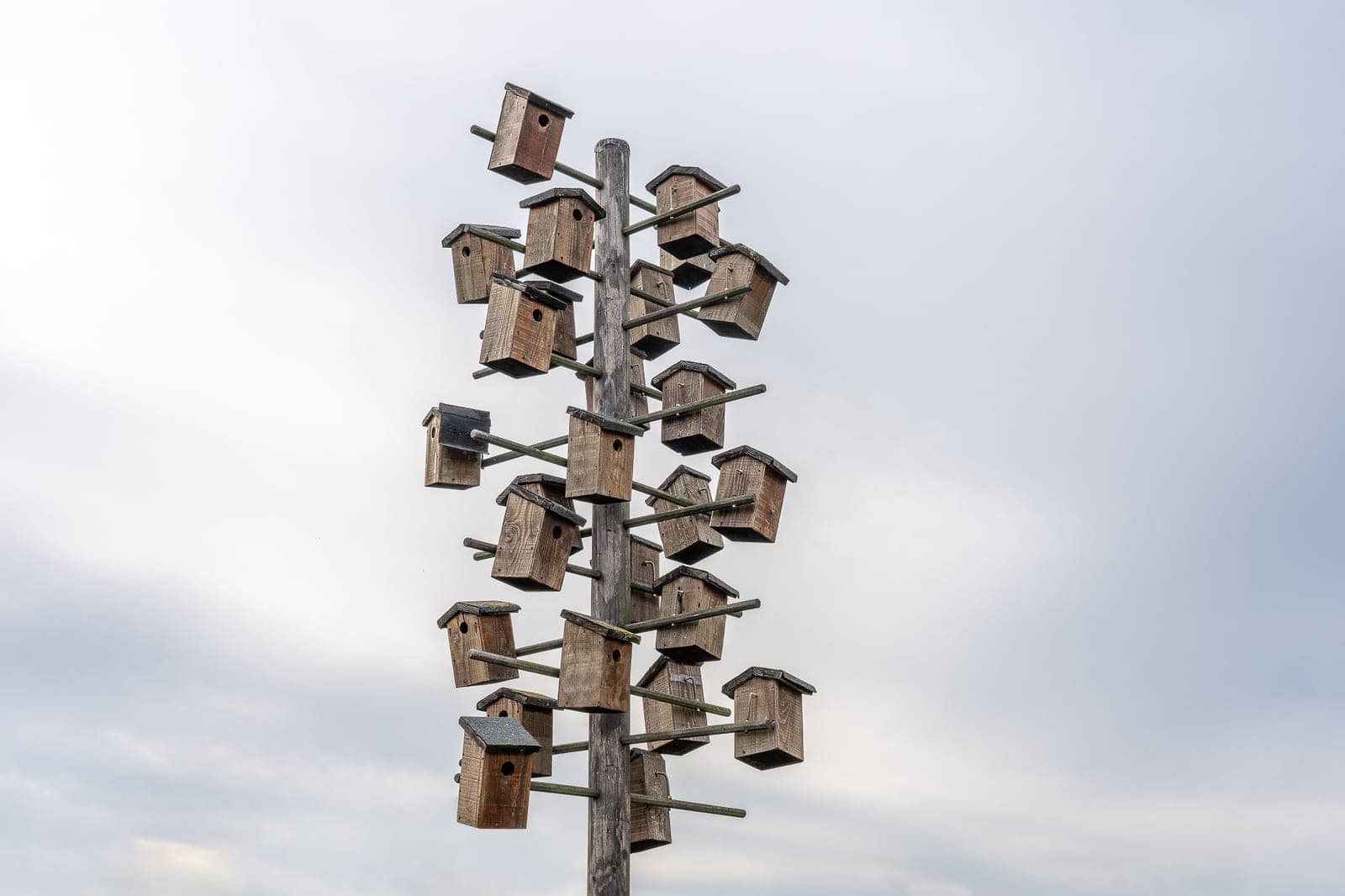
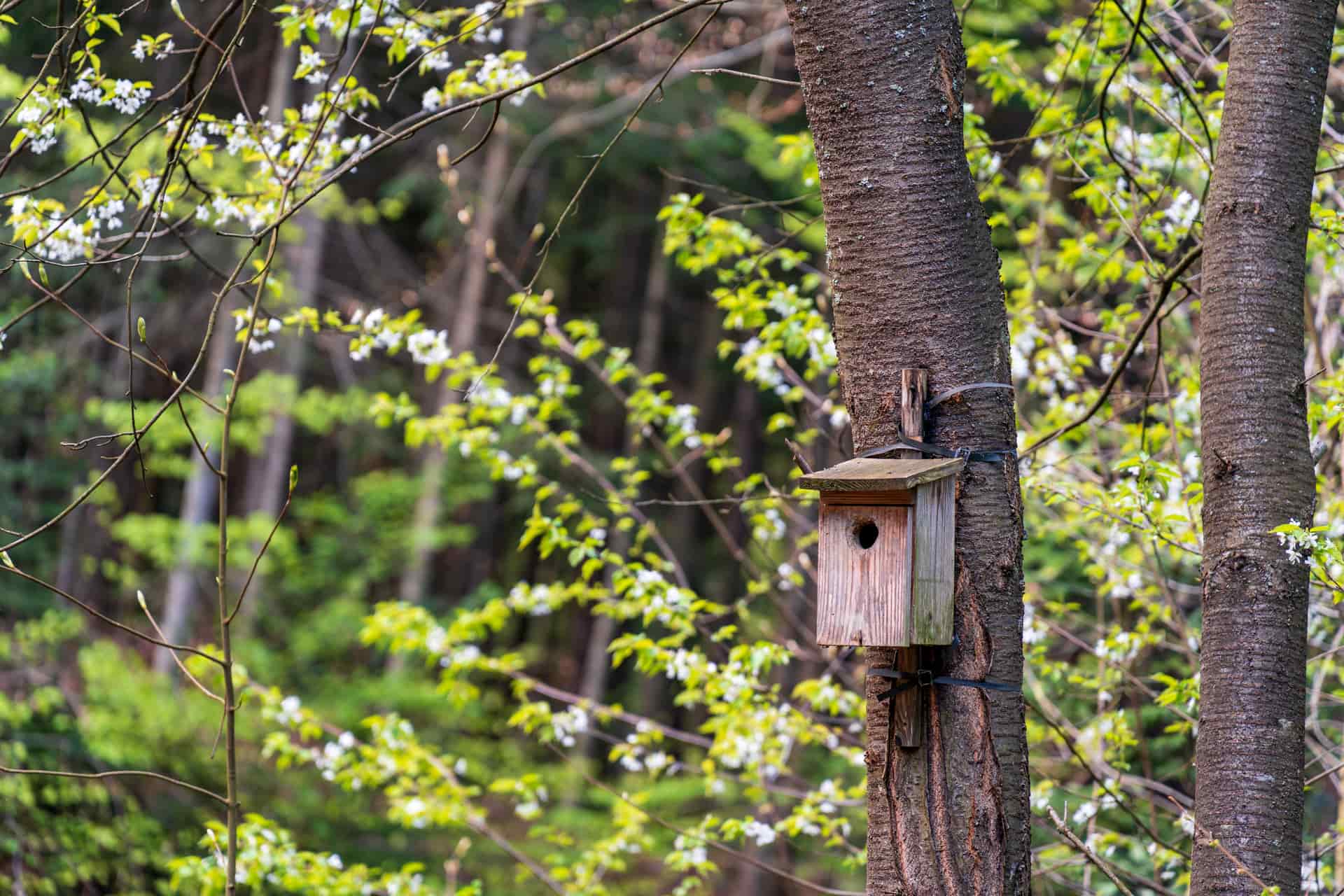
- Roost boxes — thick-walled, low-entrance, internally perched, deliberately unventilated. Built to hold warm air in. Not the same thing as a nest box, however similar they look.
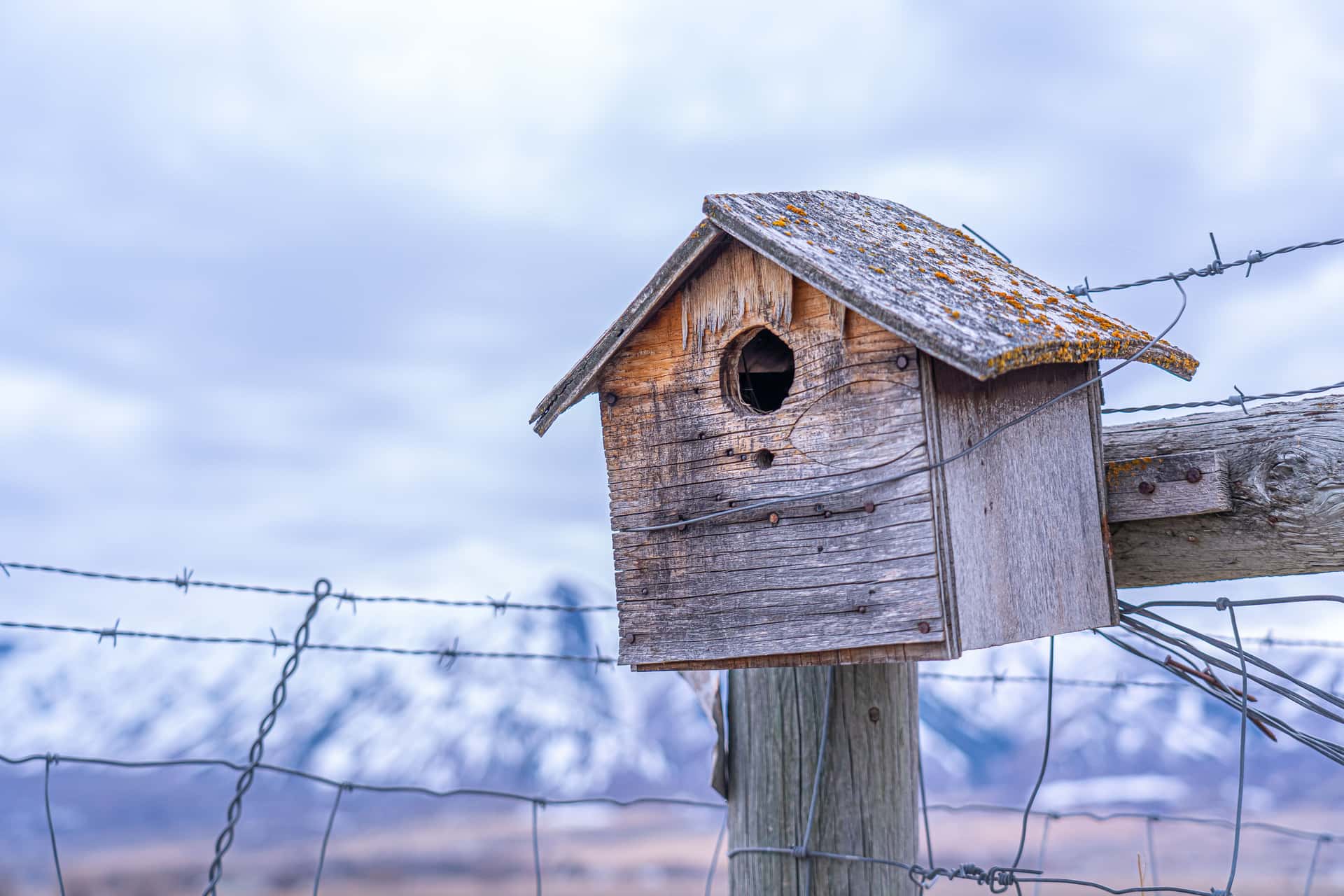
- Nest boxes — thin-walled, high-entrance, ventilated and drained. Built to keep a brood cool and dry in June. Some birds will roost in one anyway; it is a poor substitute. The distinction, and why it matters.
- Convertible boxes — one shell with a reversible front, roost in winter and nest in spring.
- Free shelter — a brush pile from your own prunings, an unclipped hedge, a standing seedhead border. Costs nothing and often outperforms a box.
- Predator guards — a baffle on the pole stops more losses than anything you can add to the box itself. What actually works, and the clearance rule.
- A species-specific box, if bluebirds are what you want. Bluebird houses covers the 1-1/2 inch hole, the sparrow-resistant patterns and the siting rules that matter more than the box does.
- Nesting material, in late winter and not before. What is safe to put out — and why dryer lint, string and treated pet hair are the three things to stop offering.
- A camera in the box, once it is reliably occupied. A camera does not make a cavity attractive, so fix siting first — nest box cameras covers what to look for and when not to bother.
What decides the price
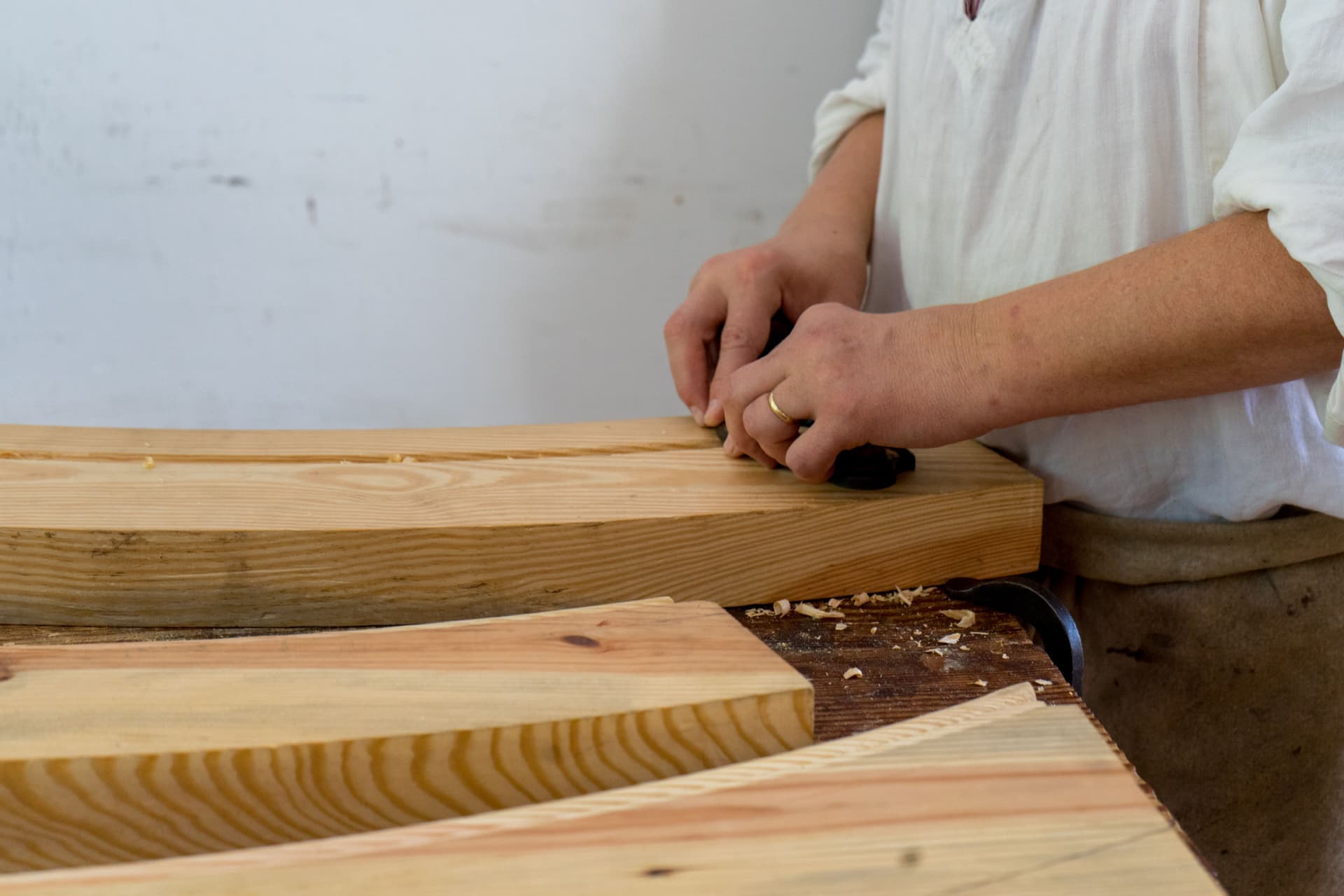
Wall thickness, and it is the one spec worth paying for. A box built from inch-thick pine insulates meaningfully; a decorative box in half-inch cedar barely does. Made-in-USA joinery adds cost and adds years. Everything else — finish, roof shape, mounting hardware — is minor by comparison. The roundup ranks on exactly that.
The mistake buyers make
Expecting a roost box to be used immediately. It is not a feeder. Birds find a roost box by accident, usually during weather bad enough to make them investigate anything, and an empty box through the first winter is normal rather than a fault. Put it up in autumn, face it away from prevailing wind, mount it eight to twelve feet up, and leave it alone.
The second mistake is heating it. Searches for heated bird houses are common and the honest answer is uncomfortable: it is not a real consumer product category, and adding a heat source to a wooden box full of dry material is a fire risk for a benefit birds do not need. We wrote that page properly rather than inventing a product list for it.
The seasonal changeover
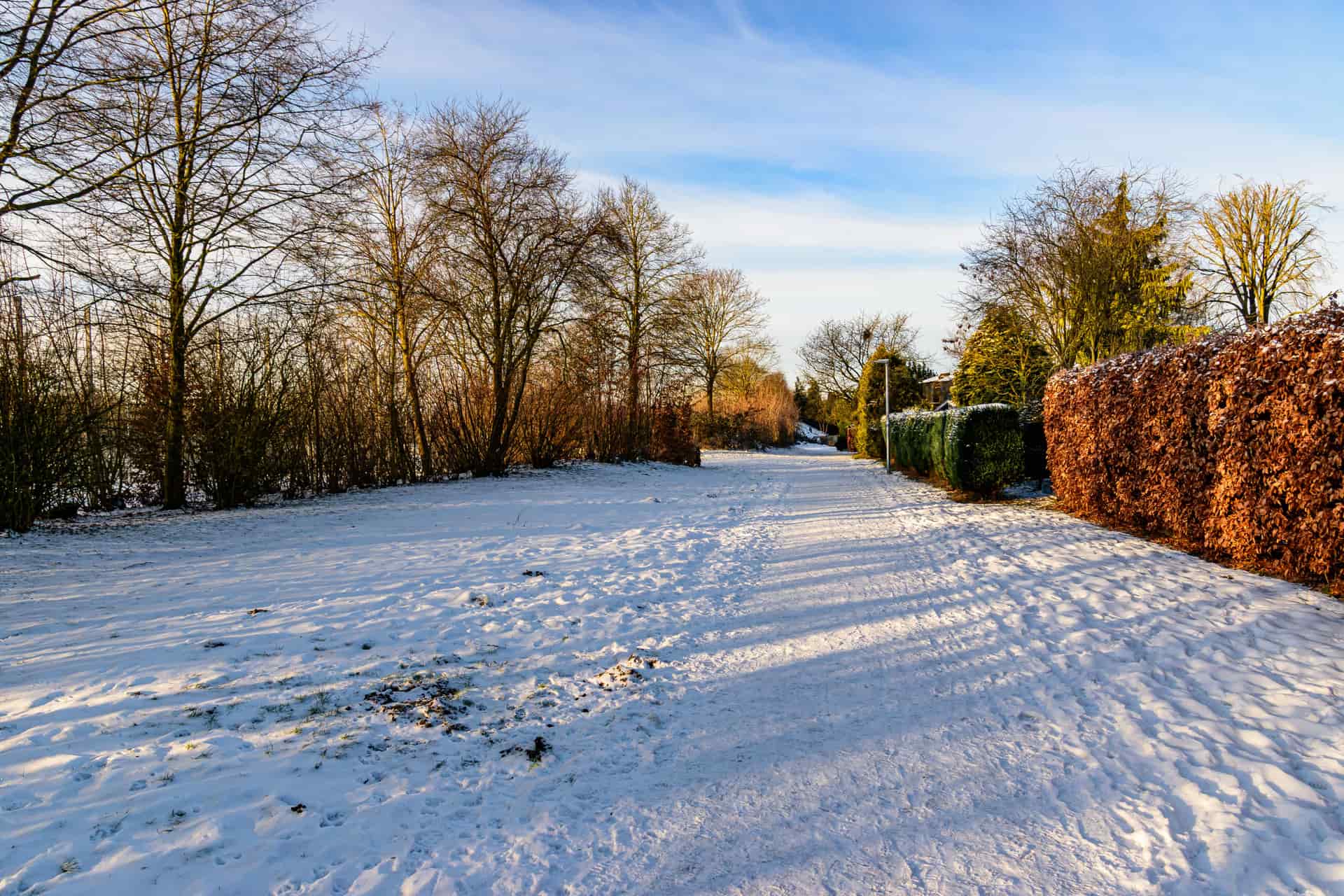
Autumn is when this hub earns its keep: clean out the nest boxes, put up the roosts, stop deadheading, build the brush pile, and get the water and the fat in place before the first hard freeze rather than after it. The winter yard checklist is the one-page version, and roosting box plans covers building one instead of buying one.
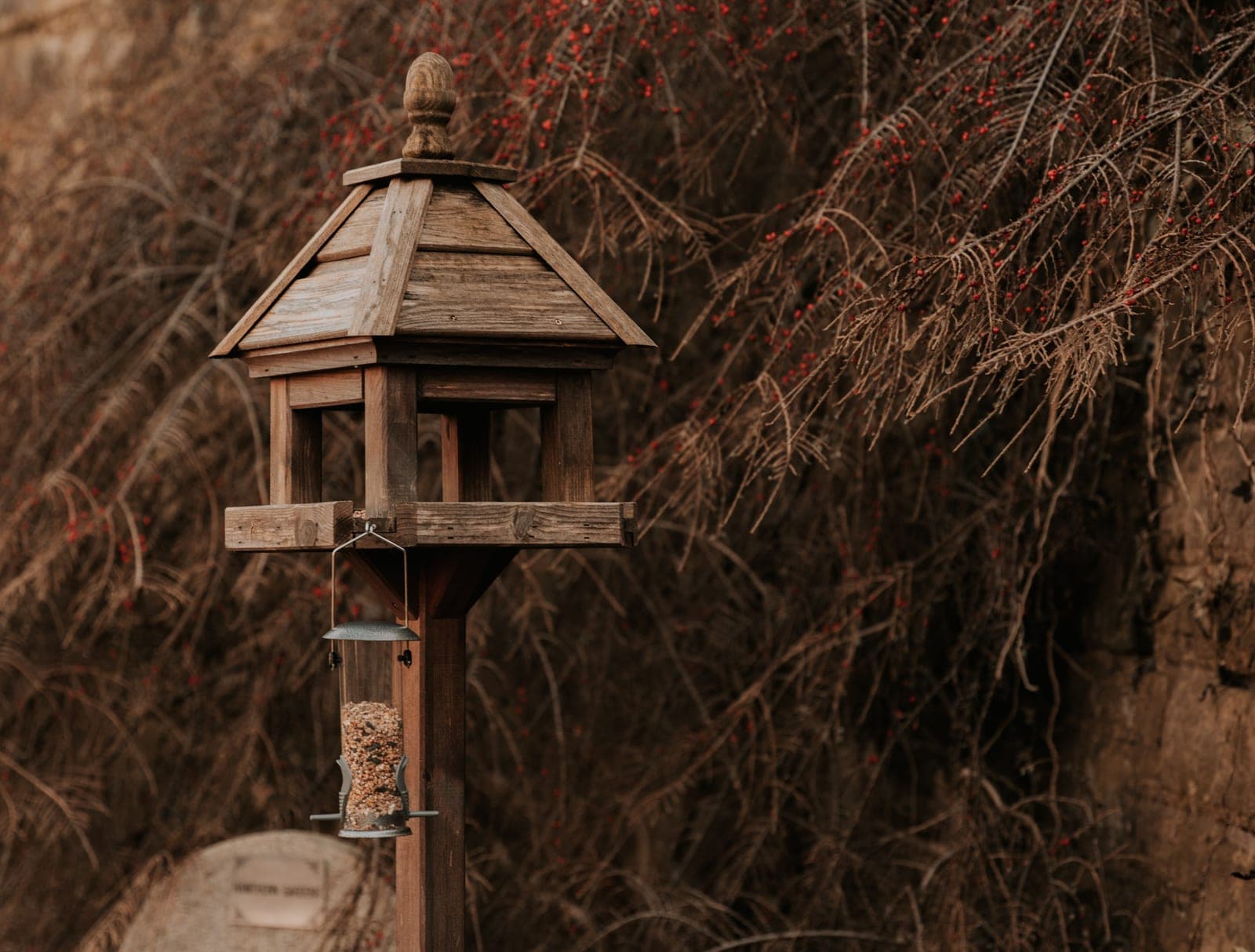
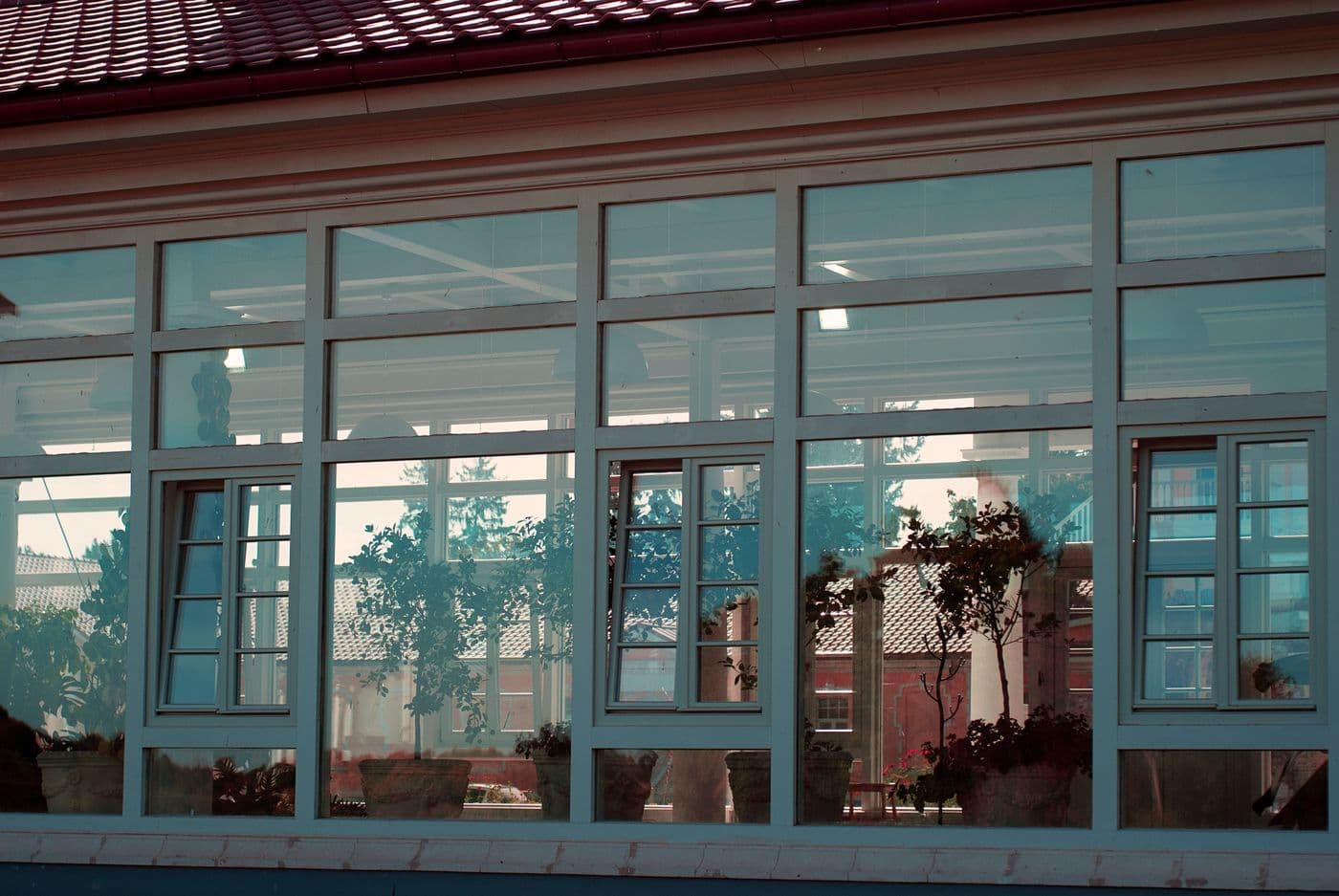
Then it keeps needing you through the season. A feeder in January concentrates every bird in the neighborhood at one perch, which is how feeder-borne illness spreads, and cold weather does not sterilize anything. Cleaning feeders and baths in winter covers the schedule, the bleach-versus-enzyme question, and how to do the job when there is no hose and nowhere warm to dry anything. One more thing a feeder changes is your glass: stopping birds hitting windows covers the two-inch spacing rule and why markers belong on the outside of the pane, which is the step nearly everyone gets wrong.
Questions people actually ask
- Where do birds sleep in winter?
- Wherever the wind is not: dense evergreens, thickets, cavities, and occasionally a roost box. Some species pack into a single cavity together, which is why a well-built roost box has internal perches rather than an open floor.
- Is a nest box good enough as a winter roost?
- It is better than nothing and worse than a roost box. A nest box is deliberately ventilated and drained, which is exactly what you do not want at three in the morning in January. The differences, side by side.
- Should I heat a bird house?
- No. There is no meaningful consumer product here, birds do not need it, and a heat source inside a dry wooden box is a genuine fire risk. Insulation and a low entrance do the same job with no downside.
- When should I put up a roost box?
- Autumn, before the first hard weather. Birds find shelter when they need it, so it has to already be there and already be weathered in when the first storm arrives.