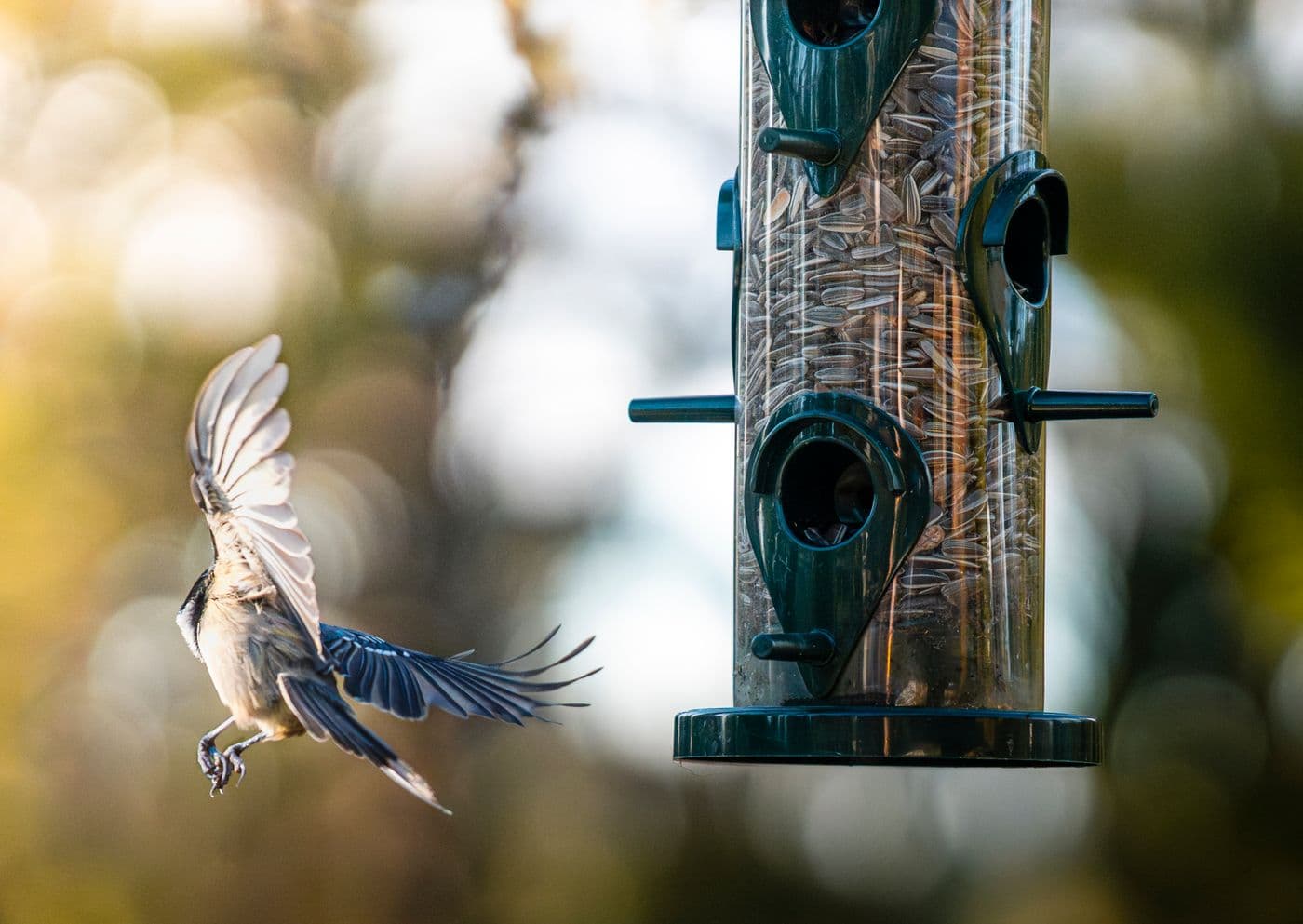
Winter is the best season to start watching birds and the worst season to be uncomfortable doing it. Everything visible is easier — no foliage, concentrated flocks, birds that will not leave a food source — and everything physical is harder: cold hands, short light, and optics that fog the moment you step indoors.
Why winter birding is easier than it looks
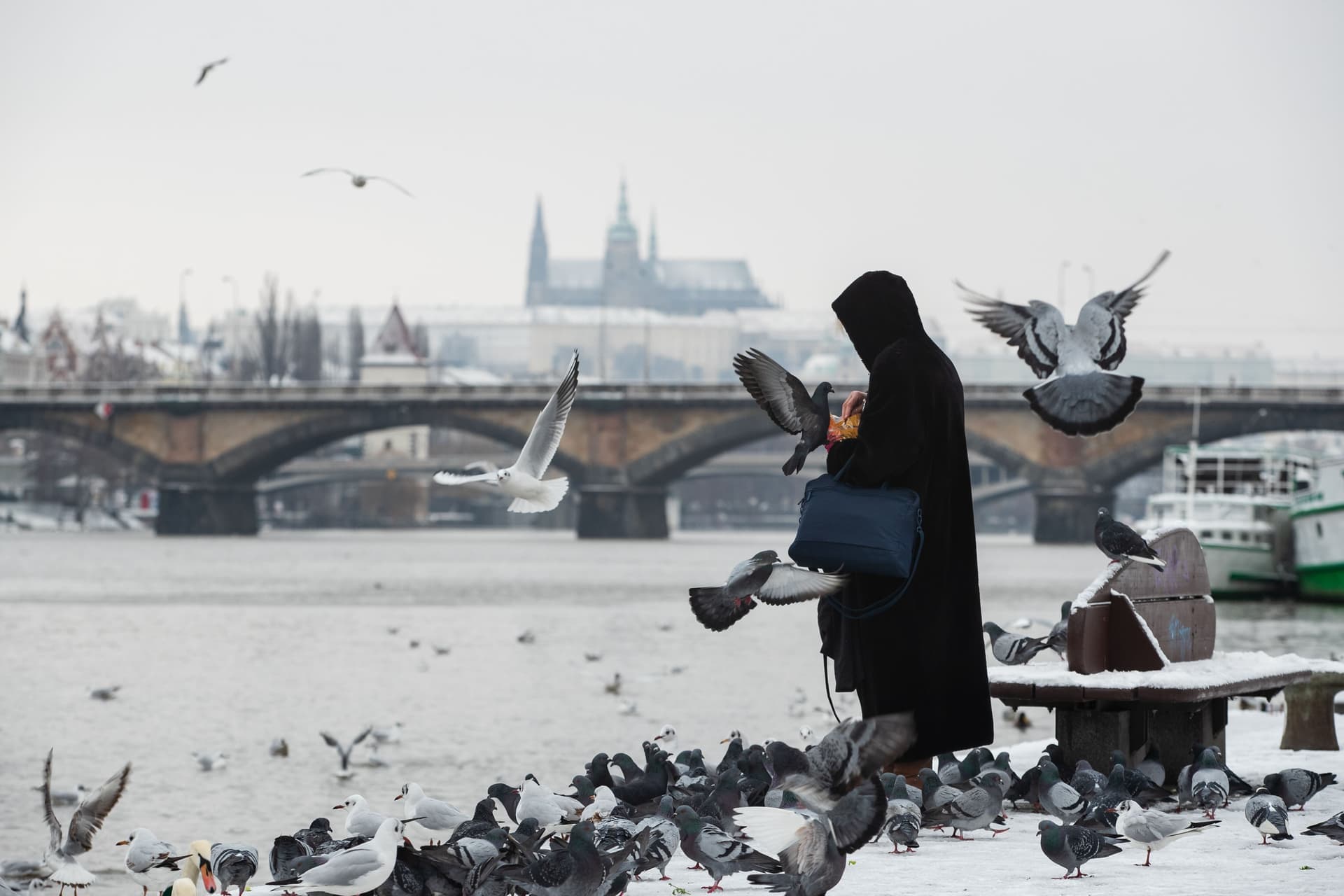
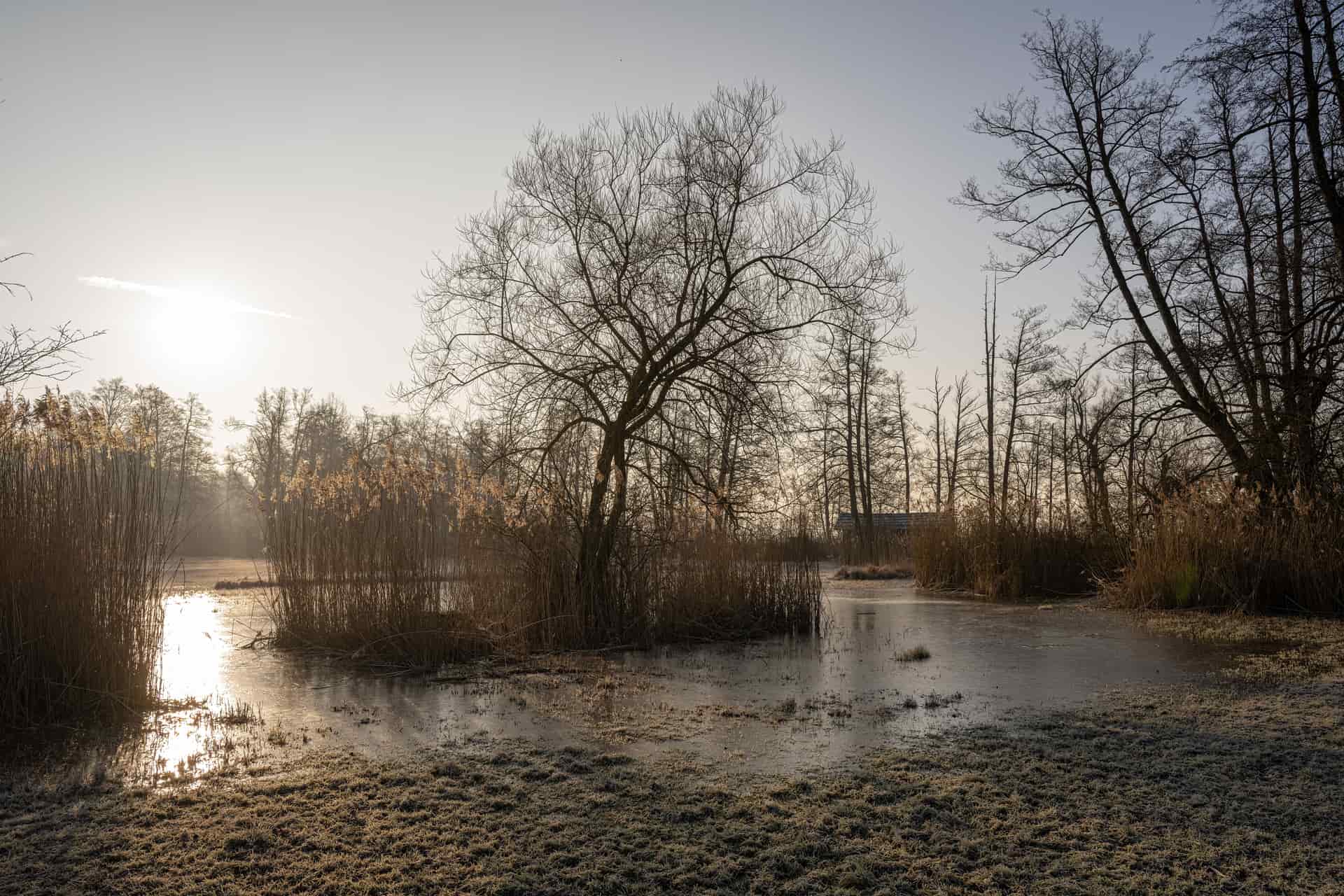
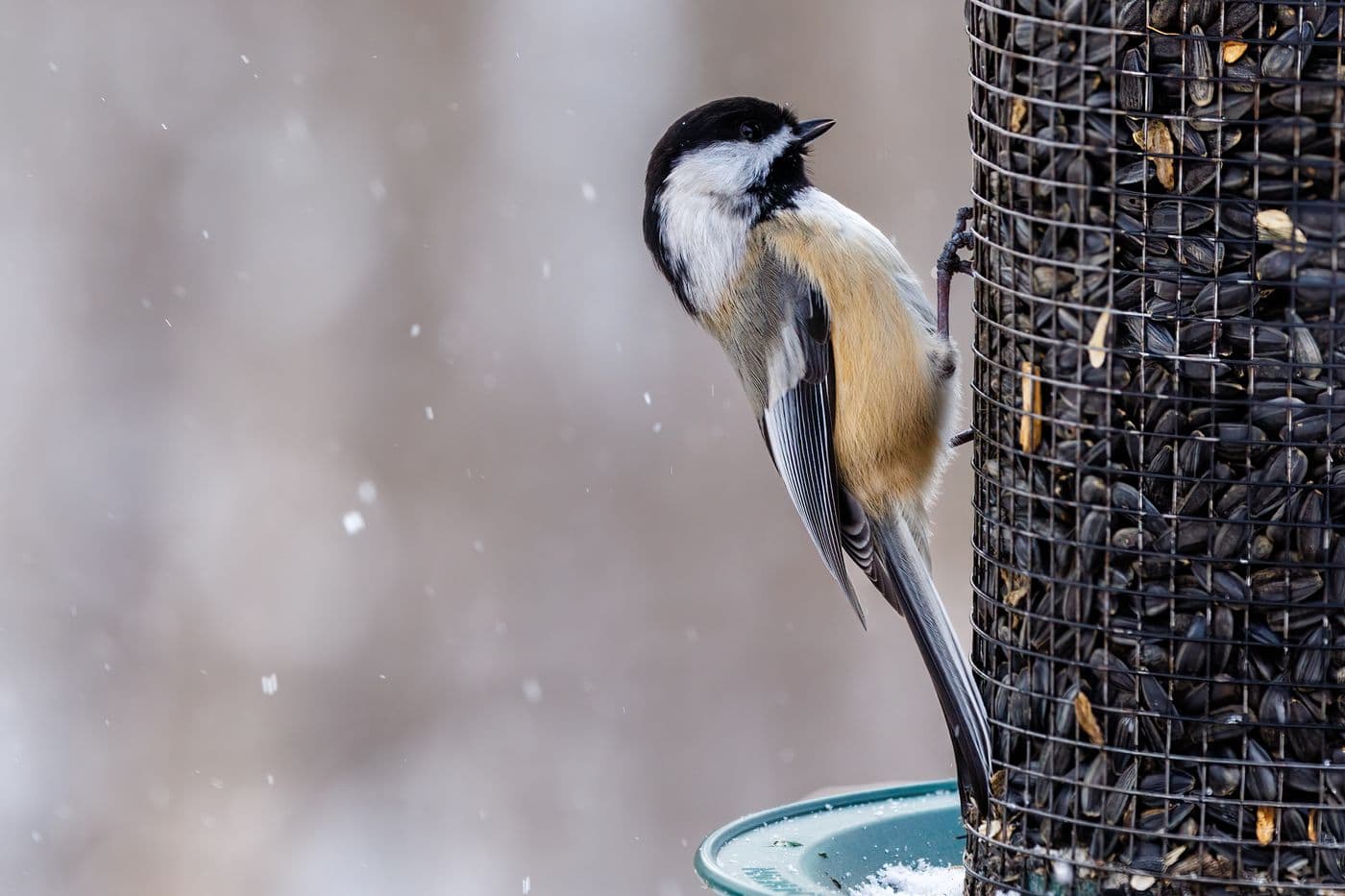
Three things happen at once. The leaves come down, so a bird thirty feet up is simply visible. Food concentrates into a few reliable patches, so birds concentrate with it — your feeder, a fruiting shrub, an open patch of water. And winter birds are working: a chickadee spending nine hours a day rebuilding its fat reserves has no attention to spare for you standing twenty feet away.
The result is that a beginner sees more species in a January hour than in an entire June morning. Winter birding tips covers the practical side; winter backyard birds covers what you are likely to be looking at.
The gear question, honestly
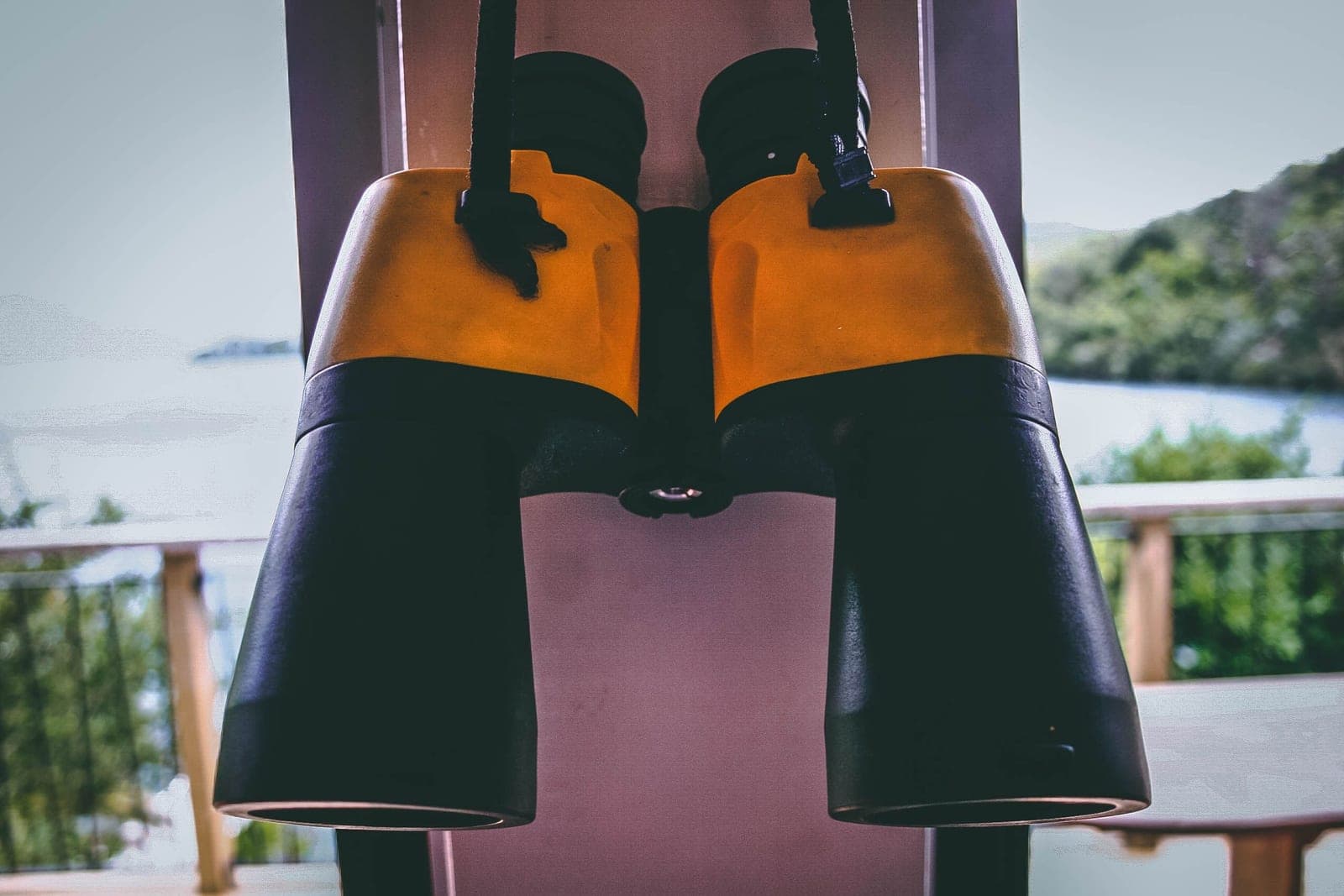
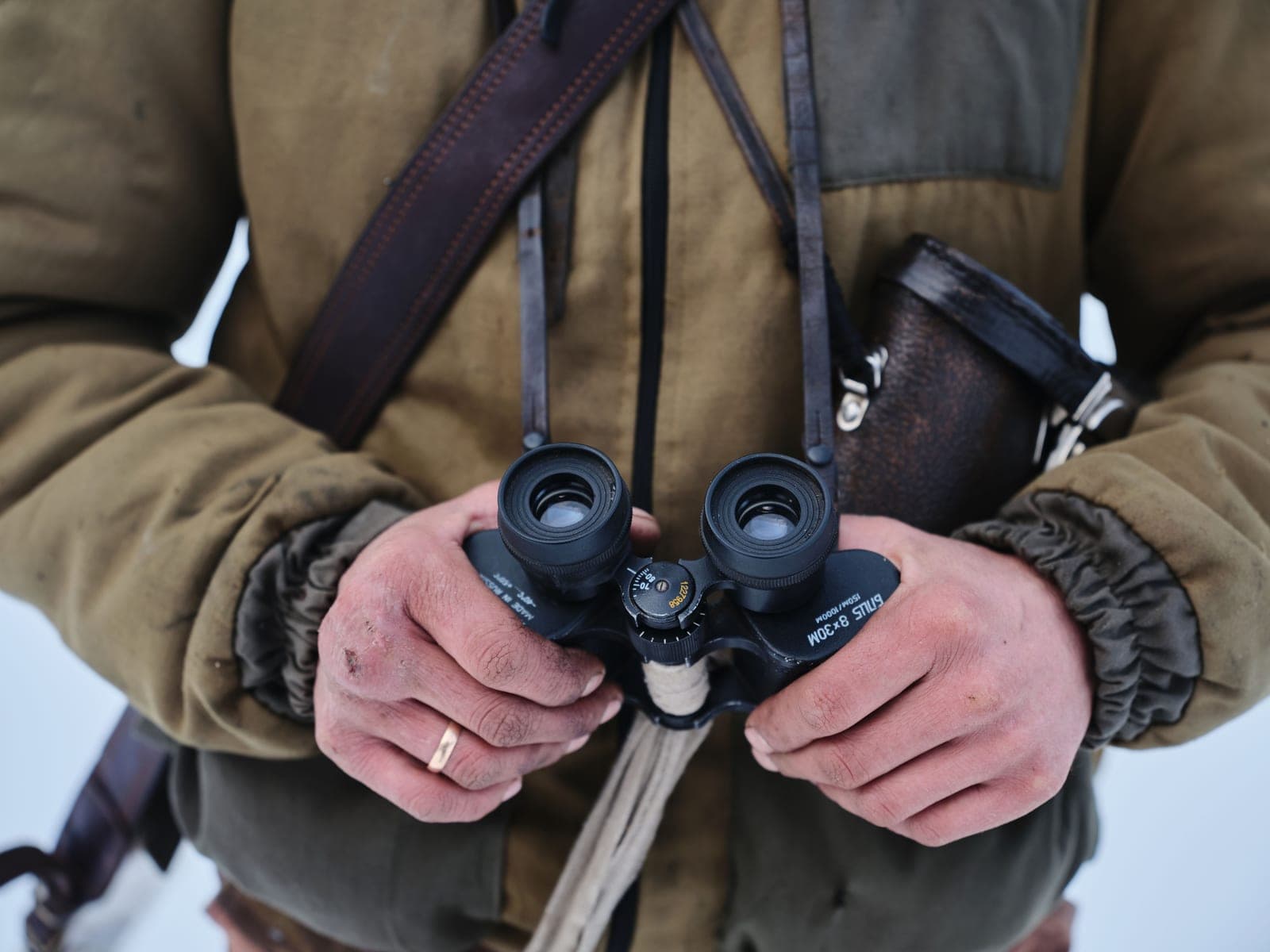
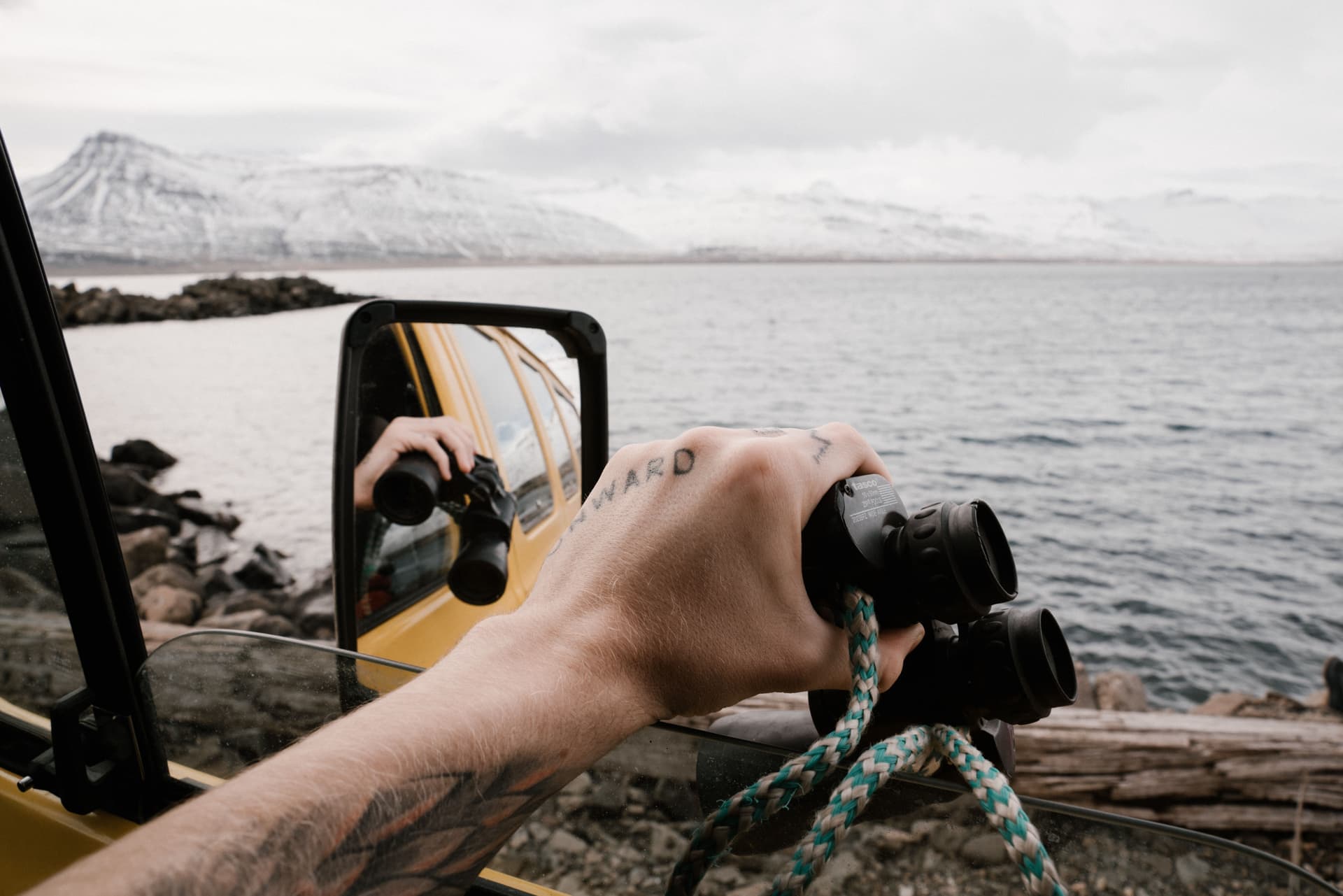
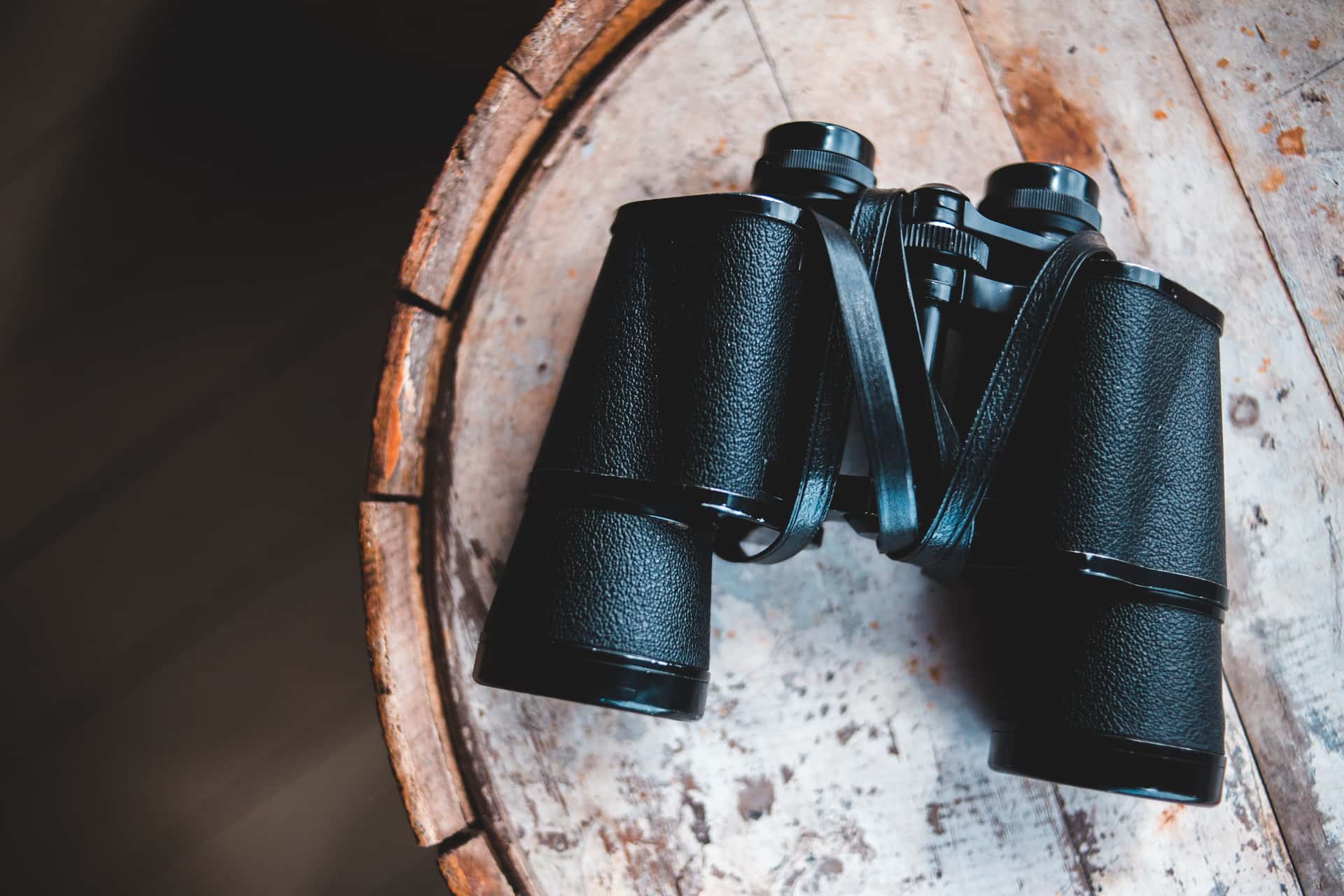
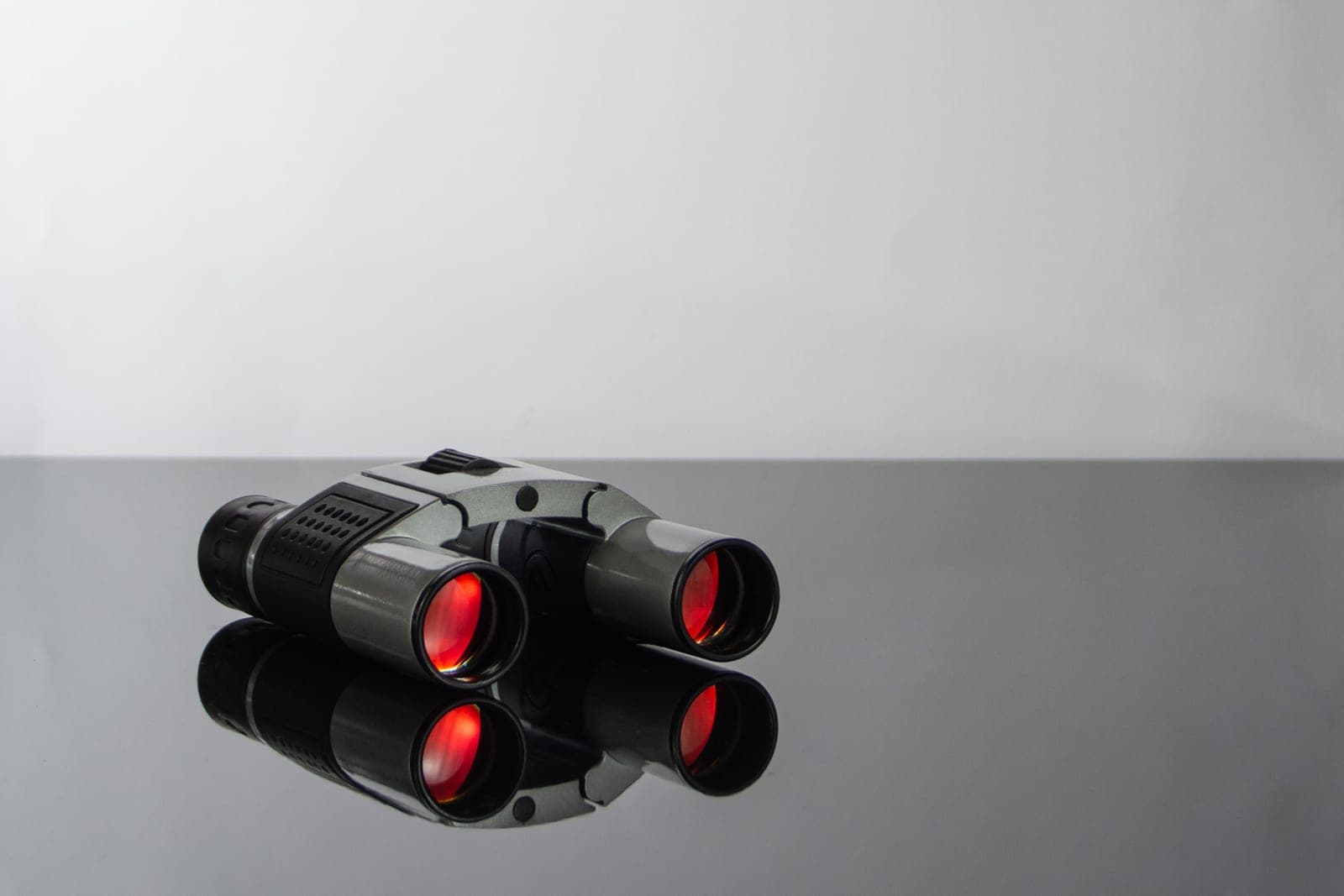
- Binoculars, 8x42. The default and the right answer for nearly everyone. 8x is steady in cold, gloved hands where 10x wobbles; 42 mm objectives gather enough light for a gray afternoon. Nitrogen purging is the winter-specific spec — it is what stops the glass fogging internally when you carry it into a warm kitchen.
- Feeder cameras. A different product solving a different problem: they show one perch, very close, all day, from indoors. Genuinely good for households and for anyone who cannot get out much. The roundup.
- Both, eventually. Feeder cameras vs binoculars sets out which to buy first, and it is usually the binoculars.
- A field guide, once you can see the bird clearly. Winter plumages are the hard case, and not every guide shows them.
- A first pair, chosen properly. Binoculars for beginners covers the four specs that matter and the price floor below which optics put people off birding entirely.
- 8x42 or 10x42? The commonest question in birding optics, and it comes down to exit pupil, field of view and how steady your hands are. We settle it with arithmetic.
- A harness, once the binocular is chosen. It moves the weight off your neck and stops the binocular swinging — the cheapest worthwhile upgrade in the hobby, and the one people never get round to.
- Buying for someone else? Gifts for bird watchers sorts the options by what the recipient already owns, which is the hard part.
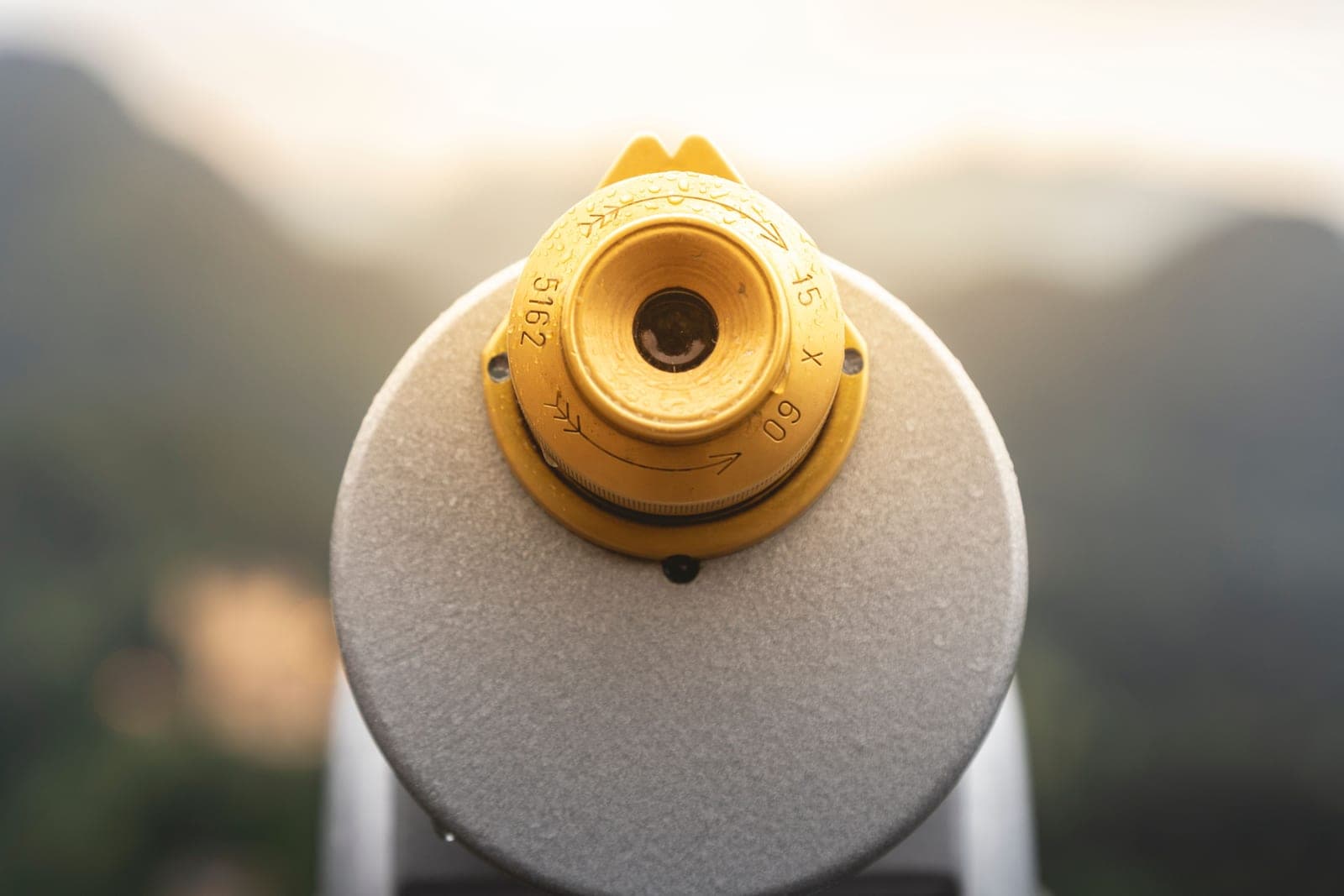
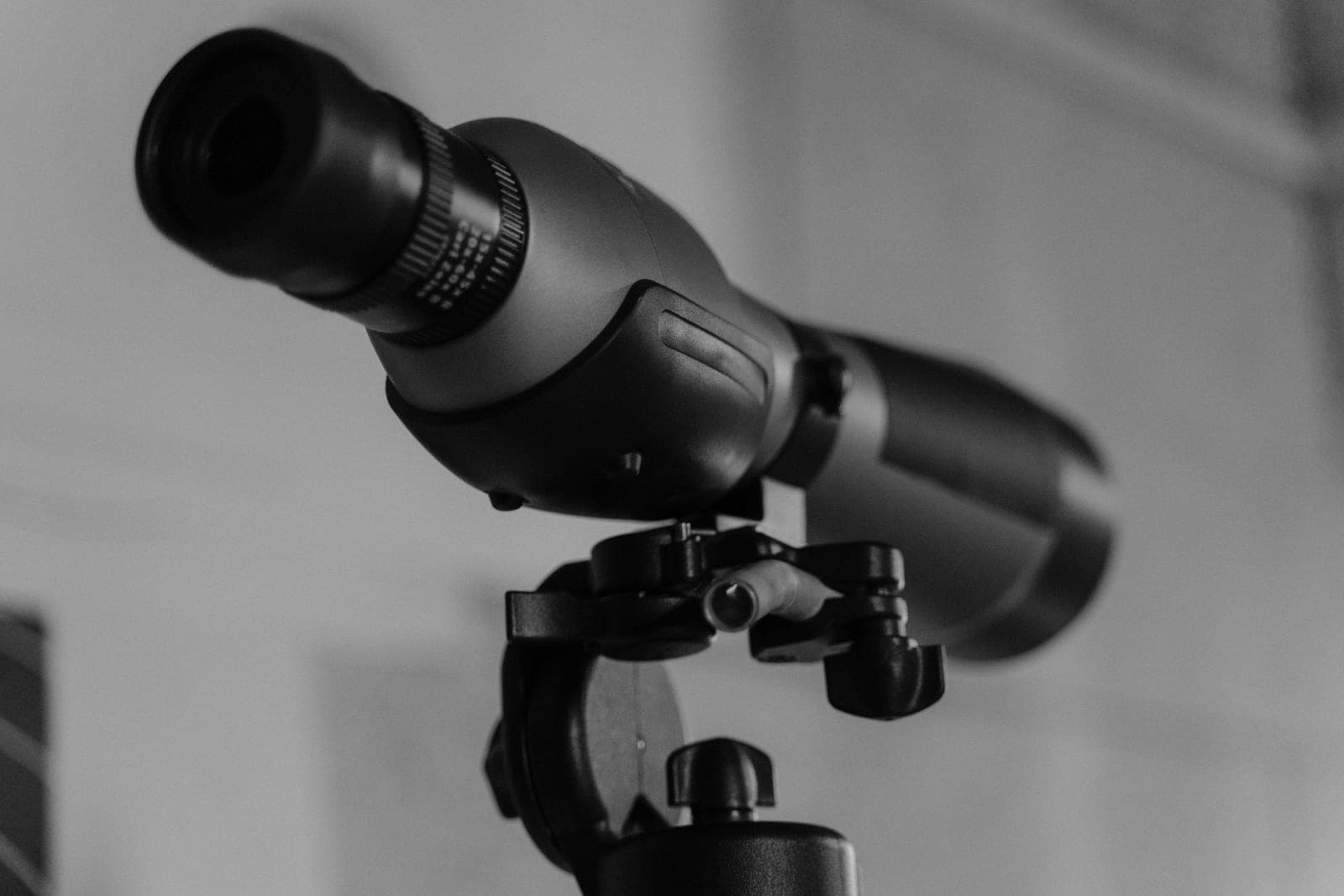
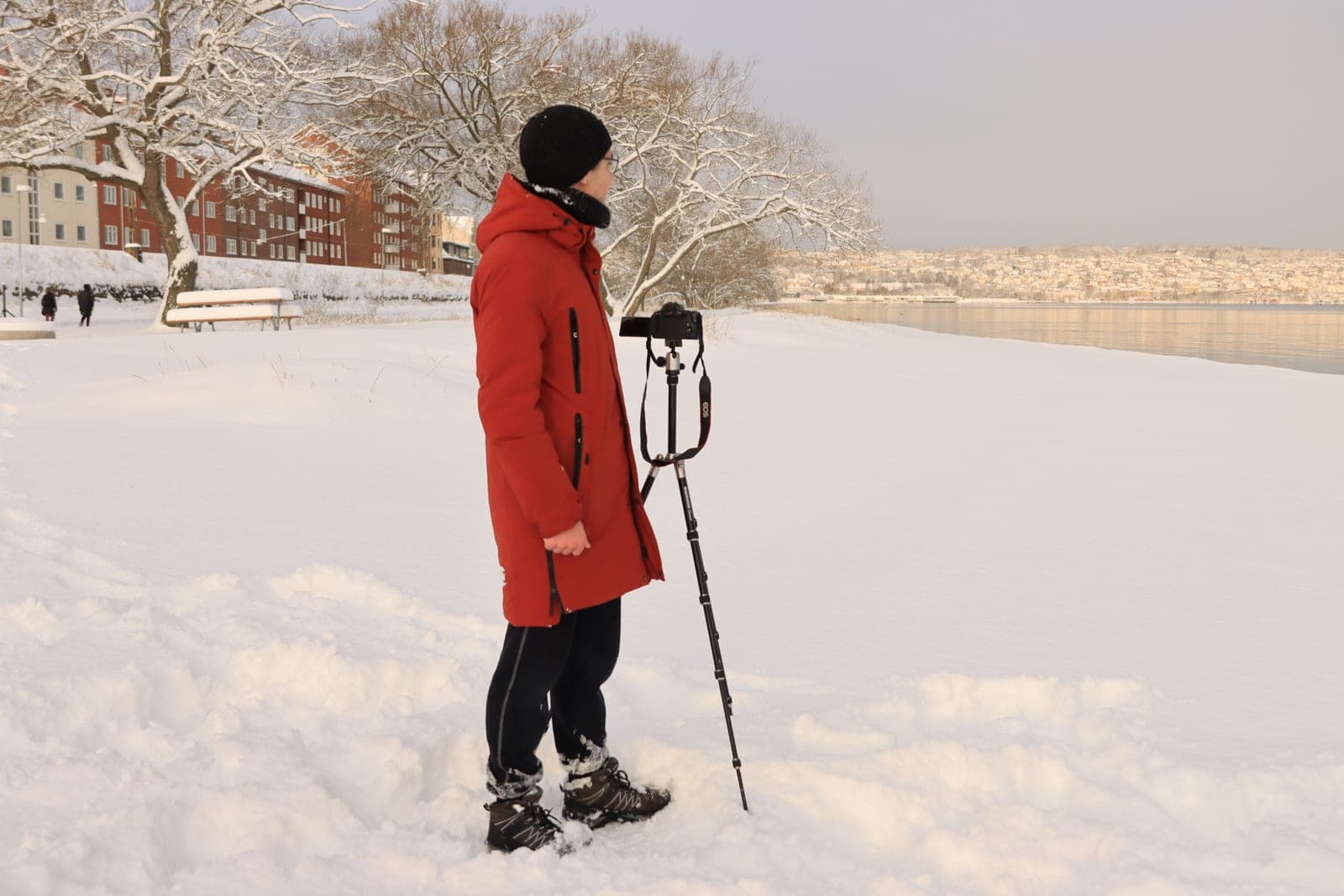
- A spotting scope, only if you watch distant, stationary birds — waterfowl on open water, shorebirds, perched raptors. Which scope, and why the tripod is half the purchase, and which tripod to put it on. Not a first optic, and useless at a feeder.
- A monocular, only as a second optic. Worth it for a coat pocket and for phone photography, and the wrong tool as your only glass.
What decides the price
In binoculars: glass and coatings. Fully multi-coated optics with BaK-4 prisms are the floor worth buying at; below that you are looking at a dim, low-contrast image in exactly the flat light winter provides. Sealing and nitrogen purging add cost and are non-negotiable for a season defined by condensation. Above roughly the entry tier, you are paying for edge sharpness and color fidelity, and the returns flatten quickly.
In feeder cameras: sensor size and whether the maker charges a subscription. Winter light is the hardest test a small sensor faces, and a monthly fee compounds into more than the hardware cost within a couple of years.
The mistake buyers make
Buying magnification. A 10x or 12x pair sounds better and is harder to hold steady in cold hands, has a narrower field of view, and is dimmer at the same objective size. Field of view is what lets you find a moving chickadee in a bare thicket, and that is the actual difficulty in winter birding — not reach. If you already own a 10x or 12x pair and the view will not settle, a tripod adapter fixes that for very little — check the hinge cap for a 1/4-20 socket before buying one, then see which tripod to bolt it to.
The other mistake is treating a feeder camera as an upgrade from binoculars. It is not; it is a different thing. A camera shows you one perch beautifully and the rest of your yard not at all. If you have already decided you want one, the Bird Buddy review is the deep read on the model that defined the category, and Bird Buddy against Birdfy is the head-to-head that settles most of these purchases.
Where the birds actually are
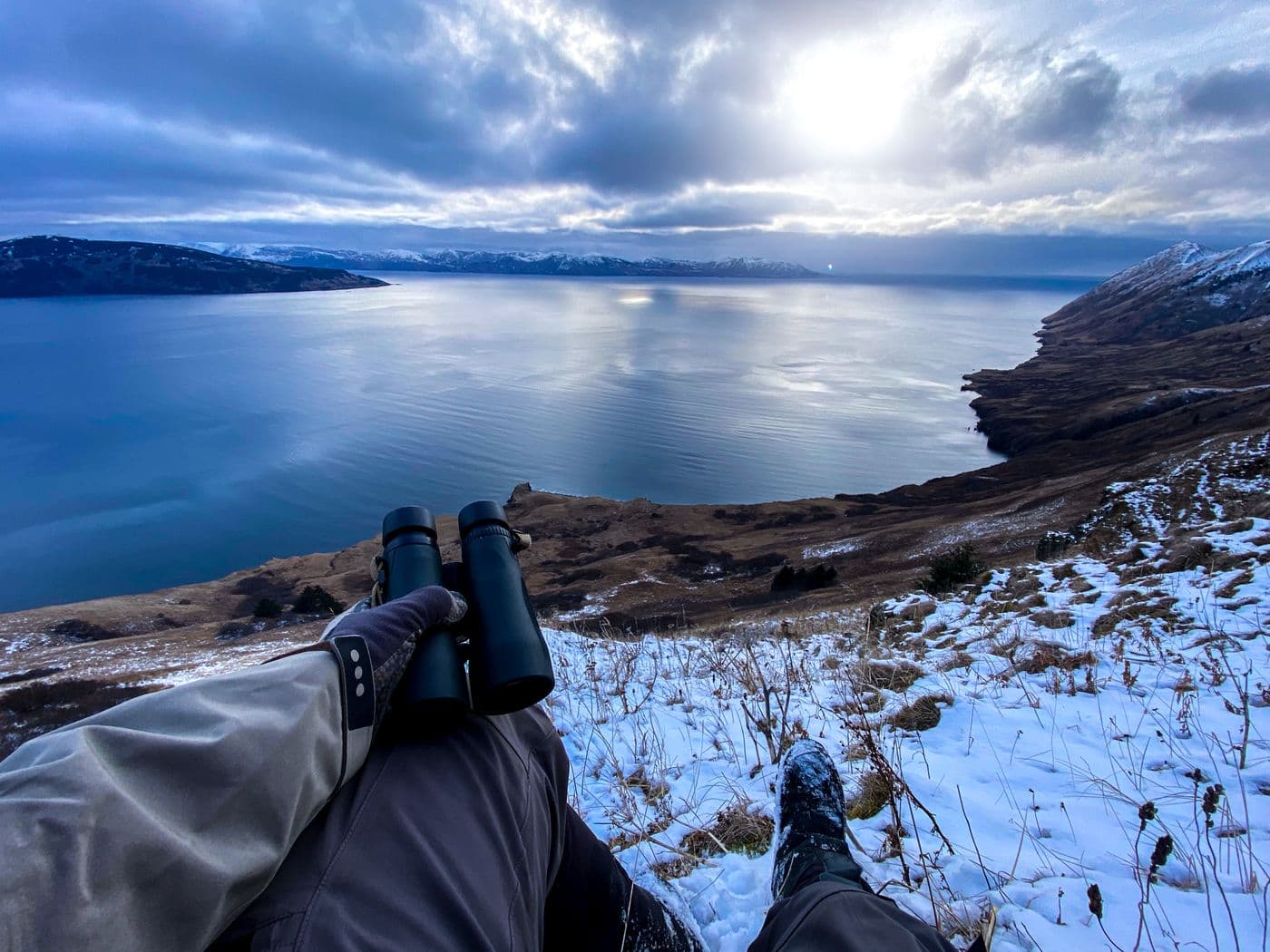
Your own yard first — a stocked feeding station with open water is the most productive winter patch most people have access to. Beyond that, winter concentrates birds at coasts, open water, and stubble: where to go winter birding covers the reliable habitat types and several states people actually search for.
Questions people actually ask
- What binoculars should I buy for winter birding?
- An 8x42 pair that is O-ring sealed and nitrogen purged. The magnification keeps the image steady in cold hands and the purging stops internal fogging on the cold-to-warm transition you will make several times a day.
- Are feeder cameras worth it?
- For a household, or for anyone who cannot easily get outside, yes. As a first purchase for someone who wants to watch birds properly, no — binoculars cost less and show you the whole yard.
- What birds will I see at a feeder in winter?
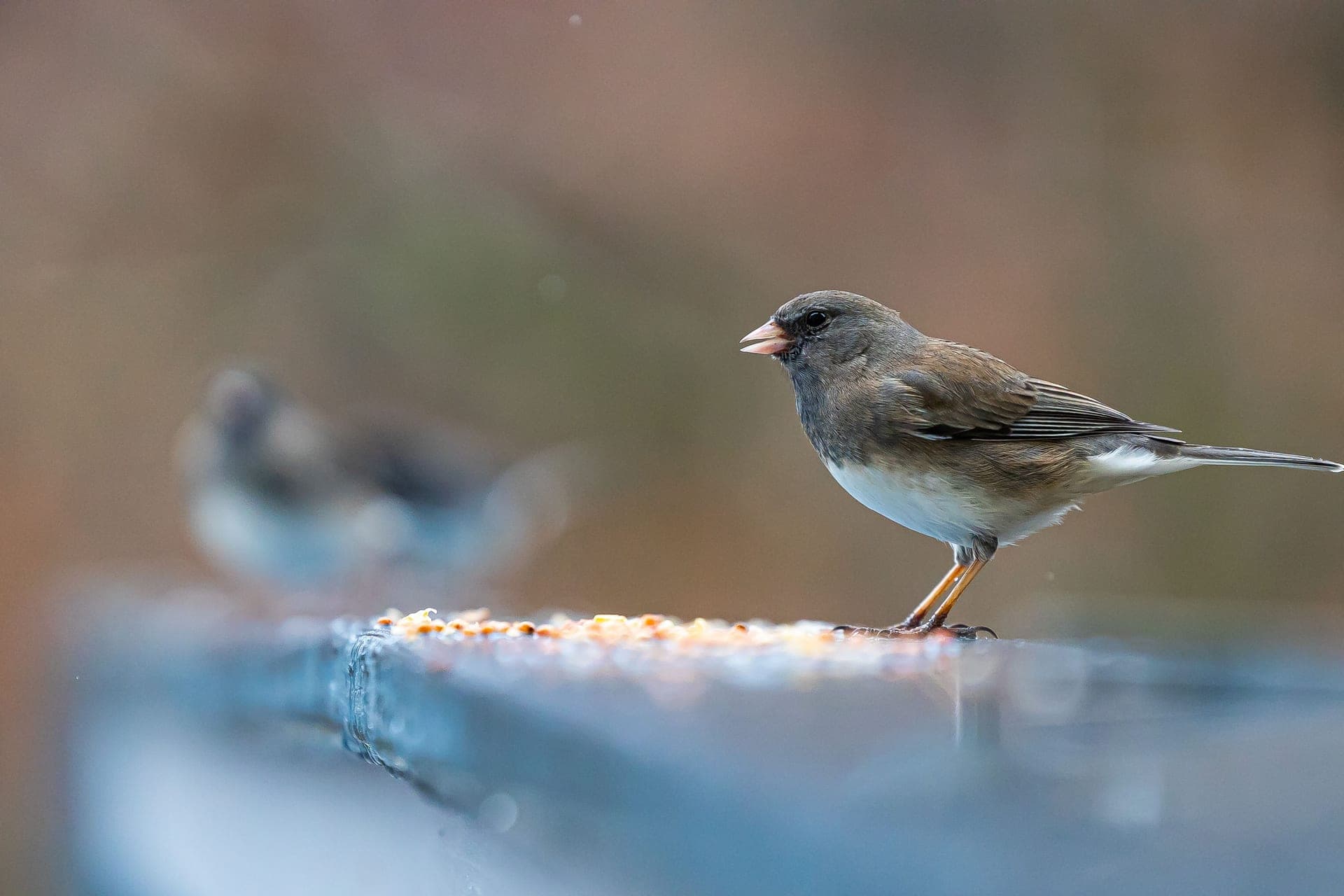
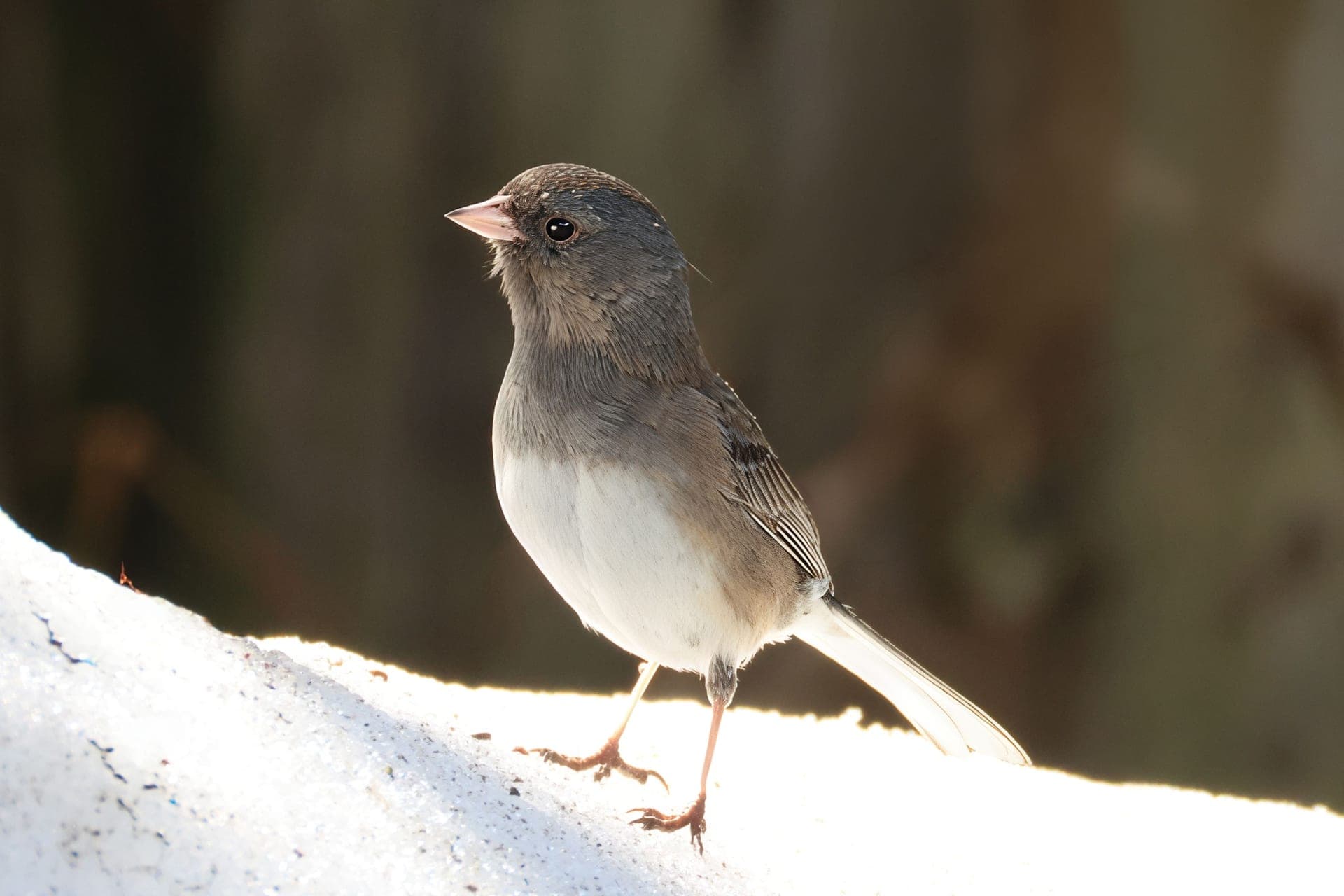
- Regionally variable, but the common northern cast is chickadees, titmice, nuthatches, downy and hairy woodpeckers, juncos, house and goldfinches, cardinals, jays and various sparrows. The full list and how to tell them apart.
- Is it too cold for birds to come to the feeder?
- The opposite. Cold weather increases feeder activity sharply, because the birds' energy demand goes up exactly when natural food gets harder to find.