Cold-weather care / Roundup
Cleaning Bird Feeders and Baths in Winter
Cold weather does not sterilize anything — it concentrates birds at the one reliable food source in the neighborhood. The cleaning schedule matters more in January than in June, and it is harder to keep.
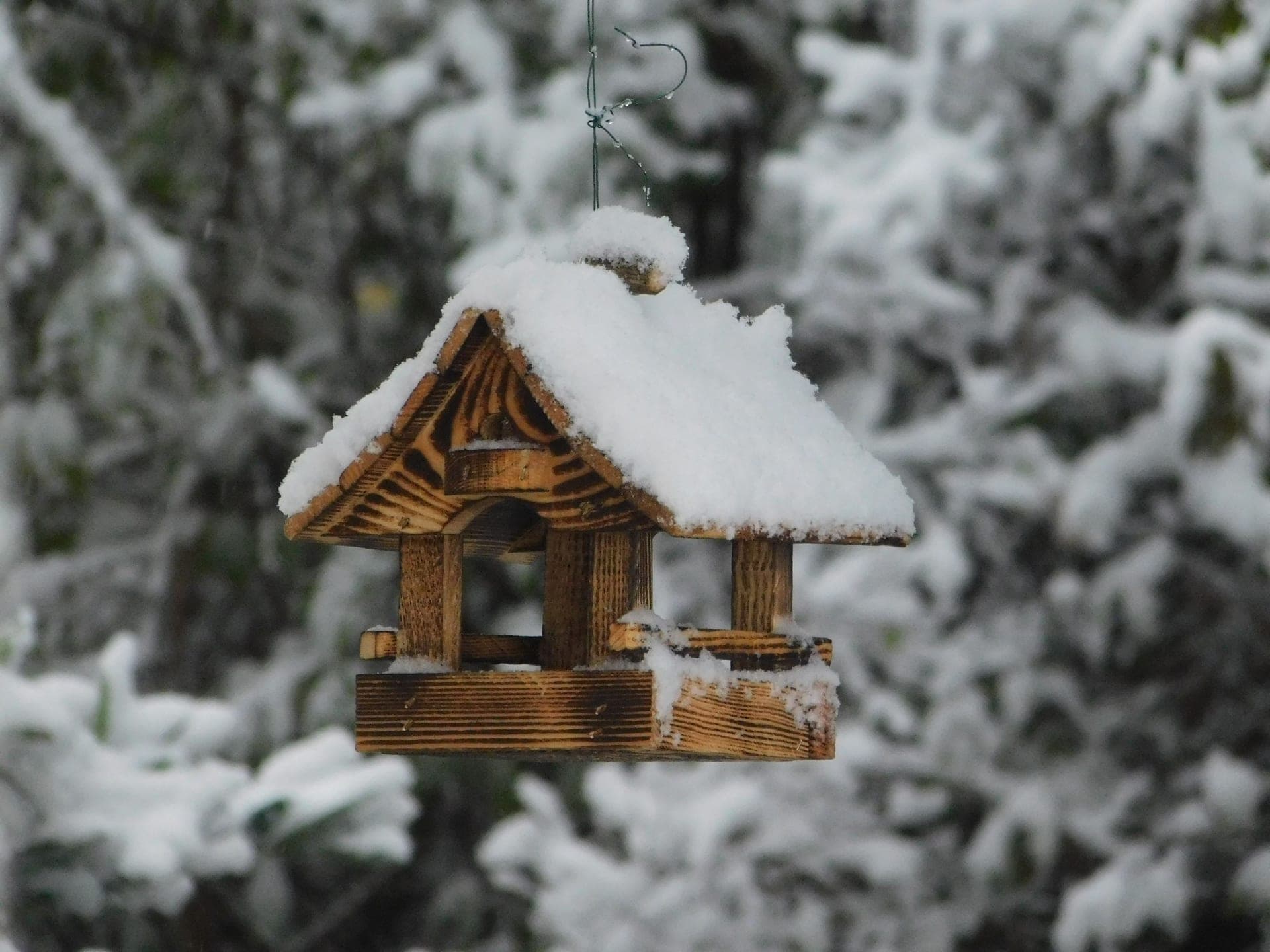
Clean seed feeders every two weeks through the winter, nectar feeders far more often, and the bath weekly. Hot soapy water and a brush does most of the work; a one-part-bleach-to-nine-parts-water rinse is the step that actually disinfects. The part people skip is drying the feeder completely before it goes back out, and in freezing weather that is the step that matters most.
Winter Perch is funded by affiliate commission. If you buy through a link on this page we may earn a commission at no extra cost to you, and it never decides a ranking. Full disclosure · how we pick.
Quick picks
Ranked, with the trade-off named. Tap a row for the full write-up; the price button goes straight to Amazon.
| # | Product | Best for | Price |
|---|---|---|---|
| 1 | Classic Brands 38293 Stokes Feeder Cleaning Brushes, 2 sizesTwo bottle-brush sizes, which is what a tube feeder actually needs — one long brush for the barrel and one narrow one for the ports where the mold starts. | Tube feeders and feeding ports | Check price on Amazon |
| 2 | Songbird Essentials SE601 Bird Bath BrushStiff bristles and a grip handle, made from recycled material. A bath brush is a dull purchase and the one that decides whether the weekly clean actually happens. | The weekly bath scrub | Check price on Amazon |
| 3 | JCs Wildlife Bird Feeder Cleaner, 16 ozPlant-based enzymes formulated for feeders across wood, plastic, metal and ceramic — the practical alternative to dilute bleach for people who would rather not handle bleach. | A cleaner you can use without thinking about rinsing twice | Check price on Amazon |
| 4 | Carefree Enzymes 94727 Seed & Hull Digester, 33.9 ozAn enzyme formula aimed specifically at the baked-on seed-and-dropping layer that builds in a hopper, in a bottle big enough to actually get through a season. | Caked-on seed residue and droppings | Check price on Amazon |
| 5 | Brushtech Two-in-One Hummingbird Feeder Cleaning Brush, 14 inA dual-head brush for the reservoir and the ports. Nectar feeders grow mold faster than anything else in a yard, and the ports are where it starts. | Nectar feeders, which need cleaning far more often than seed feeders | Check price on Amazon |
| 6 | Microbe-Lift Soy-Based Bird Feeder & Bath Cleaner Spray, 32 ozA soy-based spray rated across feeders, birdhouses and baths — the convenient option if you would rather not keep three products for three surfaces. | One bottle for feeders, houses and the bath | Check price on Amazon |
#ad how we are funded · no live price right now
The picks in full
Top pick Tube feeders and feeding ports
Classic Brands 38293 Stokes Feeder Cleaning Brushes, 2 sizes
Two bottle-brush sizes, which is what a tube feeder actually needs — one long brush for the barrel and one narrow one for the ports where the mold starts.
Specifications
- Type
- Feeder cleaning brush set
- Sizes
- 2
- Use
- Tube barrels and feeding ports
Trade-offs
- The narrow brush reaches ports, which is where residue and mold actually accumulate
- Two sizes covers the whole feeder rather than the easy half of it
- Long enough for a full-size tube barrel without dismantling everything
- Bottle brushes wear out and splay; treat them as consumable
- Neither size suits a wide hopper or a flat tray
- Nylon bristles will not shift baked-on residue without soaking first
Who it is forAnyone running a tube or hopper seed feeder through the winter.
Skip it ifSkip it if all your feeders come fully apart and wipe clean — a poly platform tray and an upside-down cage do not need a bottle brush.
#ad how we are funded · no live price right now
No. 2 The weekly bath scrub
Songbird Essentials SE601 Bird Bath Brush
Stiff bristles and a grip handle, made from recycled material. A bath brush is a dull purchase and the one that decides whether the weekly clean actually happens.
Specifications
- Type
- Bird bath scrub brush
- Bristles
- Stiff
- Handle
- Easy-grip, recycled material
- Model
- SE601
Trade-offs
- Stiff enough to shift the biofilm that forms in a bath in constant winter use
- A dedicated brush means you are not using the one from the kitchen, which matters more than it sounds
- Grip handle works in gloves, which is the actual winter test
- Cheap enough that there is no reason to put the job off
- Stiff bristles can scuff a glazed or painted basin — test a corner first
- One brush, one job; you still need something narrow for feeder tubes
- Nothing about it is clever, and it is priced as a branded accessory
Who it is forAnyone running a heated bath through the winter, which needs weekly attention.
Skip it ifSkip it if you already own a stiff outdoor brush you are willing to dedicate to this. The brush matters less than having one you never use for anything else.
#ad how we are funded · no live price right now
No. 3 A cleaner you can use without thinking about rinsing twice
JCs Wildlife Bird Feeder Cleaner, 16 oz
Plant-based enzymes formulated for feeders across wood, plastic, metal and ceramic — the practical alternative to dilute bleach for people who would rather not handle bleach.
Specifications
- Type
- Plant-based enzyme cleaner
- Size
- 16 oz
- Surfaces
- Wood, plastic, metal, ceramic
- Targets
- Seed residue and water lines
Trade-offs
- Rated for wood, which dilute bleach is not kind to and which most cedar feeders are made of
- No bleach handling, no fumes, and no worry about a rinse you did not do thoroughly enough
- Enzymes break down the organic residue rather than just bleaching it pale
- Formulated for this job rather than borrowed from another one
- An enzyme cleaner is a cleaner, not a disinfectant — it is not the tool for a feeder where you have seen sick birds
- Costs considerably more than dish soap and dilute bleach
- 16 oz does not go far if you run several feeders
- Enzymes work slowly; this needs dwell time, not a quick spray and wipe
Who it is forRoutine every-two-week cleaning, especially of wooden feeders where bleach is a poor fit.
Skip it ifSkip it if you have seen a sick bird at the feeder. That situation calls for a proper disinfecting step, not an enzyme cleaner.
#ad how we are funded · no live price right now
No. 4 Caked-on seed residue and droppings
Carefree Enzymes 94727 Seed & Hull Digester, 33.9 oz
An enzyme formula aimed specifically at the baked-on seed-and-dropping layer that builds in a hopper, in a bottle big enough to actually get through a season.
Specifications
- Type
- Enzyme cleaner
- Size
- 33.9 oz
- Targets
- Caked seed, hulls, bird droppings
- Chemistry
- No bleach, no harsh chemicals per the listing
Trade-offs
- Sized for someone who actually cleans several feeders rather than one
- Aimed at the specific residue that forms in a hopper corner and resists a brush
- No bleach to handle, store or rinse out thoroughly
- Same limitation as any enzyme product: a cleaner, not a disinfectant
- Needs dwell time — this is a soak-and-return job, not a spray and wipe
- A large bottle is a commitment if you turn out to prefer soap and water
Who it is forMulti-feeder yards doing a proper clean every few weeks through the season.
Skip it ifSkip it if you run one feeder that comes apart. Hot soapy water and a brush handles that, and it costs nothing.
#ad how we are funded · no live price right now
No. 5 Nectar feeders, which need cleaning far more often than seed feeders
Brushtech Two-in-One Hummingbird Feeder Cleaning Brush, 14 in
A dual-head brush for the reservoir and the ports. Nectar feeders grow mold faster than anything else in a yard, and the ports are where it starts.
Specifications
- Type
- Dual-head bottle and port brush
- Length
- 14 in
- Bristles
- Nylon
- Origin
- Made in USA
Trade-offs
- The port scrubber is the half that matters — nectar residue collects in the feeding holes
- 14 in reaches the bottom of a bottle reservoir
- Nylon bristles will not scratch clear plastic, which scratches easily and then holds residue
- Only relevant if you run a nectar feeder, which is a minority of this site's readers
- Nylon is gentle, so genuinely baked-on residue needs soaking first
- A saucer feeder that twists apart barely needs a brush at all
Who it is forAnyone running a hummingbird feeder, and especially anyone running one through a winter with a heater on it.
Skip it ifSkip it if your nectar feeder is a two-piece saucer. Those wipe clean in seconds, which is the main reason to buy that design in the first place.
#ad how we are funded · no live price right now
No. 6 One bottle for feeders, houses and the bath
Microbe-Lift Soy-Based Bird Feeder & Bath Cleaner Spray, 32 oz
A soy-based spray rated across feeders, birdhouses and baths — the convenient option if you would rather not keep three products for three surfaces.
Specifications
- Type
- Soy-based cleaner and deodorizer spray
- Size
- 32 oz
- Rated for
- Birdhouses, feeders and baths
- Format
- Spray
Trade-offs
- One product covering the three things in a yard that need cleaning
- Spray format makes a quick between-cleans wipe realistic
- Rated for the bath as well, which most feeder cleaners are not explicit about
- A cleaner and deodorizer rather than a disinfectant — the same caveat as the enzyme products
- Spray bottles are the first thing to fail in freezing weather; store it indoors
- Broad-purpose formulas rarely beat a dedicated one on the worst residue
Who it is forA yard with a feeder, a box and a bath, where one bottle beats three.
Skip it ifSkip it if the bath is your main cleaning job. Hot water and a stiff brush is what actually shifts biofilm, and no spray substitutes for the scrubbing.
#ad how we are funded · no live price right now
Why winter is the season this matters
There is an intuition that cold weather is hygienic — that frost kills things and a feeder in January is cleaner than one in July. It is wrong in the way that matters, and it is worth being precise about why.
A feeder in winter is the only reliable food source for a wide radius, so it concentrates birds. More birds, in closer contact, sharing perches and ports, for longer, in the season when they are already burning every calorie they have to survive the night. That is a transmission scenario, and cold does not undo it. Project FeederWatch's guidance on sick birds exists because feeder-borne disease is a documented, recurring winter problem — house finch eye disease and salmonellosis both spread at feeders, and both spike in the seasons birds gather.
Meanwhile the feeder itself gets dirtier in winter, not cleaner. Snow lands on seed, melts against a warm sunny side, refreezes and packs. Under a snow cap, seed stays damp for weeks. Damp seed grows mold, and some of the molds that grow on wet birdseed produce toxins. Keeping feeders clear of snow and ice is the prevention half of this; the cleaning is what you do when prevention has run out.
The schedule, honestly
Every cleaning schedule you will read is a compromise between what is ideal and what people actually do. Here is the one worth aiming at, along with what happens if you slip.
| What | How often | Why that interval |
|---|---|---|
| Seed tube or hopper | Every two weeks | Residue and damp seed accumulate in ports and corners between refills |
| Suet cage | Every few weeks, or when fat residue builds | Fat goes rancid slowly in cold, so this is the relaxed one |
| Platform or ground tray | Weekly | Open to snow, droppings and everything falling from above |
| Bird bath | Weekly, and top up between | Biofilm forms on any standing water, faster on a heated one |
| Nectar feeder | Every few days in mild weather | Sugar water is a growth medium; this is the shortest interval by far |
| Any of them, after a sick bird | Immediately, then take it down | The interval stops being a schedule and becomes a response |
A platform feeder is the highest-maintenance design in the yard, which is the honest cost of the format's advantages.
The method that works in freezing weather
Summer cleaning advice assumes a hose and a warm afternoon to air-dry. Neither exists in February, and pretending otherwise is why the job gets skipped. This is the version adapted to a cold yard.
How we picked
- Whether the brush reaches the part that is actually dirty — ports and corners, not flat surfaces.
- Whether a cleaner disinfects or only cleans, since the labels blur it and the difference decides what to use after a sick bird.
- Surface compatibility as stated by the maker, particularly wood, which dilute bleach treats badly.
- Dwell time, because an enzyme product used as a spray-and-wipe is a product used wrong.
- Bottle size against how many feeders a yard actually runs.
- Live price and availability, refreshed daily.
We have not tested any of these. What we did instead: read the manufacturers’ own listings, compiled the published specifications, computed the running cost at a cited electricity rate, and refreshed the prices daily. The full method is published.
- Unplug anything electrical first. A heated bath or a de-icer gets unplugged at the outlet before you touch it with water. Outdoor power and cords covers the wiring side; this is the ten-second habit that goes with it.
- Bring it indoors. A utility sink or a bathtub, not the yard. Water freezes on contact with cold metal outdoors, hardware seizes and you will do a rushed job with numb hands.
- Empty and dry-brush first. Tip out old seed, knock out the packed residue with a dry brush before any water goes near it. Wet seed residue turns to paste and doubles the work.
- Soak in hot soapy water. Ten to fifteen minutes does most of the job for you. Enzyme cleaners want longer — that is what the dwell time on the bottle means.
- Scrub, with the brush that reaches. The ports and the corners, not the easy flat surfaces. That is where residue actually is.
- Disinfect if you are disinfecting. One part household bleach to nine parts water, ten minutes, then rinse thoroughly. Not every clean needs this. Every clean after a sick bird does.
- Rinse until there is no smell. Bleach residue is the risk of the previous step, and thorough rinsing is what makes it safe.
- Dry completely — the step that matters most. Not damp. Dry. A feeder refilled while damp puts water into the seed, and in freezing weather that water becomes ice inside the feeder, blocking ports and locking the mechanism. Indoors overnight, or in front of a fan.
Bleach or enzyme cleaner?
This is the genuine decision in the category, and the honest answer is that they do different jobs and the marketing tends to blur it.
| Dilute bleach (1:9) | Enzyme / plant-based cleaner | |
|---|---|---|
| Disinfects | Yes — this is the point of it | No. Cleans; does not disinfect |
| Removes caked residue | Poorly — it bleaches it pale | Yes — it digests the organic matter |
| Safe on cedar and wood | Not kind to it over time | Yes — most are rated for wood |
| Handling | Fumes, splashes, careful storage | Minimal |
| Rinsing | Thorough rinse required | Still rinse, but far less critical |
| Cost | Pennies | A real purchase |
The practical answer: an enzyme cleaner for routine cleans, especially on wooden feeders, and dilute bleach kept in the cupboard for the clean after a sick bird. Neither replaces the other.
What not to use
- Vinegar as a disinfectant. Fine for descaling and rinsing; it is not what to reach for after a disease outbreak.
- Dishwashers, for most feeders. Heat warps thin poly, clouds clear plastic and loosens glued seams. Check the maker's guidance rather than assuming.
- Anything scented or antibacterial from the kitchen. Residues you cannot fully account for on a surface birds eat from.
- Steel wool or a wire brush on clear plastic. Every scratch is a place residue grips next time.
The bath is a different job
A bath does not have ports or corners; it has biofilm — the slick layer that forms on any surface under standing water. Biofilm is a physical problem, not a chemical one. It comes off with a stiff brush and hot water, and no spray substitutes for the scrubbing.
Heated baths grow it faster, because a heater holds the water in the range where things grow rather than freezing solid. That is the trade for having open water in January, and a weekly scrub is what it costs.
- Unplug the heater before you start. Every time, without exception.
- Never pour boiling water into a cold stone, ceramic or glass basin. Thermal shock cracks it, and a cracked basin is a replacement rather than a repair. Warm water into a cold basin, working up.
- Do not chip ice with anything metal. You will damage the finish or the heating element underneath. Are heated bird baths safe covers the element side of that.
- Rinse harder than you think after any disinfectant. A bath is drinking water, not just bathing water.
- Refill with cold water and let the heater catch up. It will. That is what the thermostat is for.
Nectar feeders are the outlier
If you run a heated hummingbird feeder through the winter, the schedule above does not apply to it. Sugar water is a growth medium, a heater keeps it at a temperature things grow at, and the interval is days rather than weeks. Black specks in the ports mean it is already overdue.
The upside is that a nectar feeder is quick — no caked seed, no fat residue, just a reservoir and a set of ports. A dual-head brush does the whole thing in under a minute, which is the only reason a three-day interval is realistic at all.
What we would skip
What we would skip
Cleaning less in winter because it is cold
Cold does not sterilize anything. It concentrates birds at the one reliable food source for a wide radius, which is the opposite of what you want when a feeder-borne illness is circulating. The interval should be the same or shorter, not longer.
Refilling a feeder while it is still damp
Water in the seed becomes ice inside the feeder, which blocks ports and jams mechanisms, and damp seed is where mold starts. Complete drying is the step that separates a clean feeder from a cleaned one.
Boiling water into a cold stone or ceramic basin
Thermal shock cracks it. The instinct is understandable when the bath is frozen, and it turns a five-minute job into buying a new bath. Work up from warm.
An enzyme cleaner as your response to a sick bird
Enzyme cleaners clean; they do not disinfect. That situation calls for dilute bleach, a thorough rinse, and taking the feeders down for a week or two — the dispersal is the part that helps most.
Putting most feeders through the dishwasher
Heat warps thin polycarbonate, clouds clear plastic and loosens glued seams. Some feeders are rated for it and say so; assume yours is not unless the maker states otherwise.
A cleaning kit before a spare feeder
The obstacle to winter cleaning is not the brush — it is that taking the feeder down leaves birds without food while it dries. A cheap second feeder to swap in solves that, and no cleaning product does.
Where this fits
This is the maintenance half of a yard the rest of the site helps you build. The winter yard checklist puts the cleaning intervals into a seasonal rhythm, the feeding station guide covers the layout that makes each feeder reachable in snow, and keeping feeders clear of snow and ice is the prevention that reduces how often you are doing this at all.
Questions people actually ask
- How often should I clean bird feeders in winter?
- Seed feeders every two weeks, platform and ground feeders weekly, suet cages every few weeks, and nectar feeders every few days. Clean immediately and take the feeders down for one to two weeks if you see a sick bird.
- What is the best way to clean a bird feeder?
- Empty it, dry-brush the loose residue out, soak in hot soapy water, scrub the ports and corners, disinfect with one part bleach to nine parts water if needed, rinse thoroughly, then dry completely before refilling.
- Can I use bleach to clean a bird feeder?
- Yes, at one part household bleach to nine parts water, with a thorough rinse afterwards. It is the standard disinfecting step. It is not kind to bare wood over time, which is where an enzyme cleaner is the better routine choice.
- How often should a heated bird bath be cleaned?
- Weekly. A heater holds the water at a temperature where biofilm forms faster than it would in a bath that freezes solid, and scrubbing with a stiff brush is what removes it. Unplug the heater before you start.
- Do I need to clean bird feeders if it is freezing?
- Yes, and it needs doing indoors. Water freezes on contact with cold metal outdoors and hardware seizes, so bring the feeder to a utility sink or bath, wash it there and let it dry fully before it goes back out.
- Why does my feeder need cleaning more than my neighbor's?
- Usually design and position. Open platform trays collect everything falling from above, and a feeder in a spot that catches sun and snow goes through repeated melt-and-refreeze cycles that keep the seed damp.
Sources
Read next
- The Winter Bird Yard Checklist
The October changeover in order: feeders, water, shelter, what to leave standing, and the winter maintenance schedule.
- Keeping Feeders Clear of Snow and Ice
Iced ports, caked seed and feeder mold — the winter maintenance routine, and the hardware that reduces it.
- How to Set Up a Winter Bird Feeding Station
The complete winter station: feeders, water and cover, with the distances and the order to build it in.
- Are Heated Bird Baths Safe?
The GFCI, cord and placement rules, plus the wet-feather question and what the safety listings on these products actually mean.