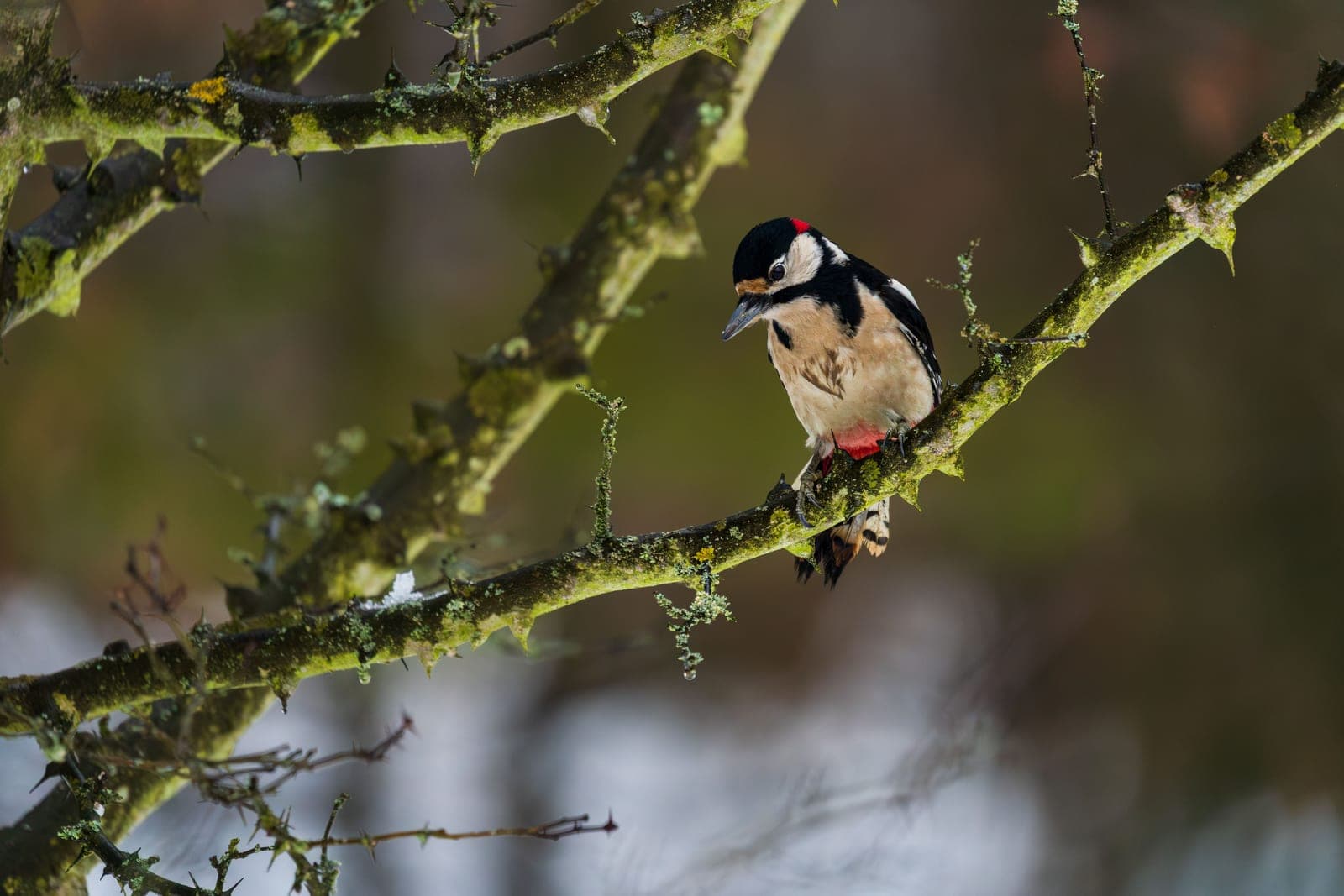
Winter feeding is an energy problem. A chickadee can burn through a large share of its body fat on a single sub-freezing night and has to replace it the next day, in a few hours of usable light. That is why fat beats everything in cold weather: suet, then black oil sunflower, then peanuts. Grain fillers are close to worthless.
The fat-first rule, and what it actually means
Fat carries roughly twice the energy per gram of carbohydrate or protein. In July that is irrelevant — food is everywhere and the nights are short. In January, when a small bird has maybe nine hours of daylight to bank enough fuel for a fifteen-hour night, it decides which birds make it to spring. Everything on this hub follows from that arithmetic.
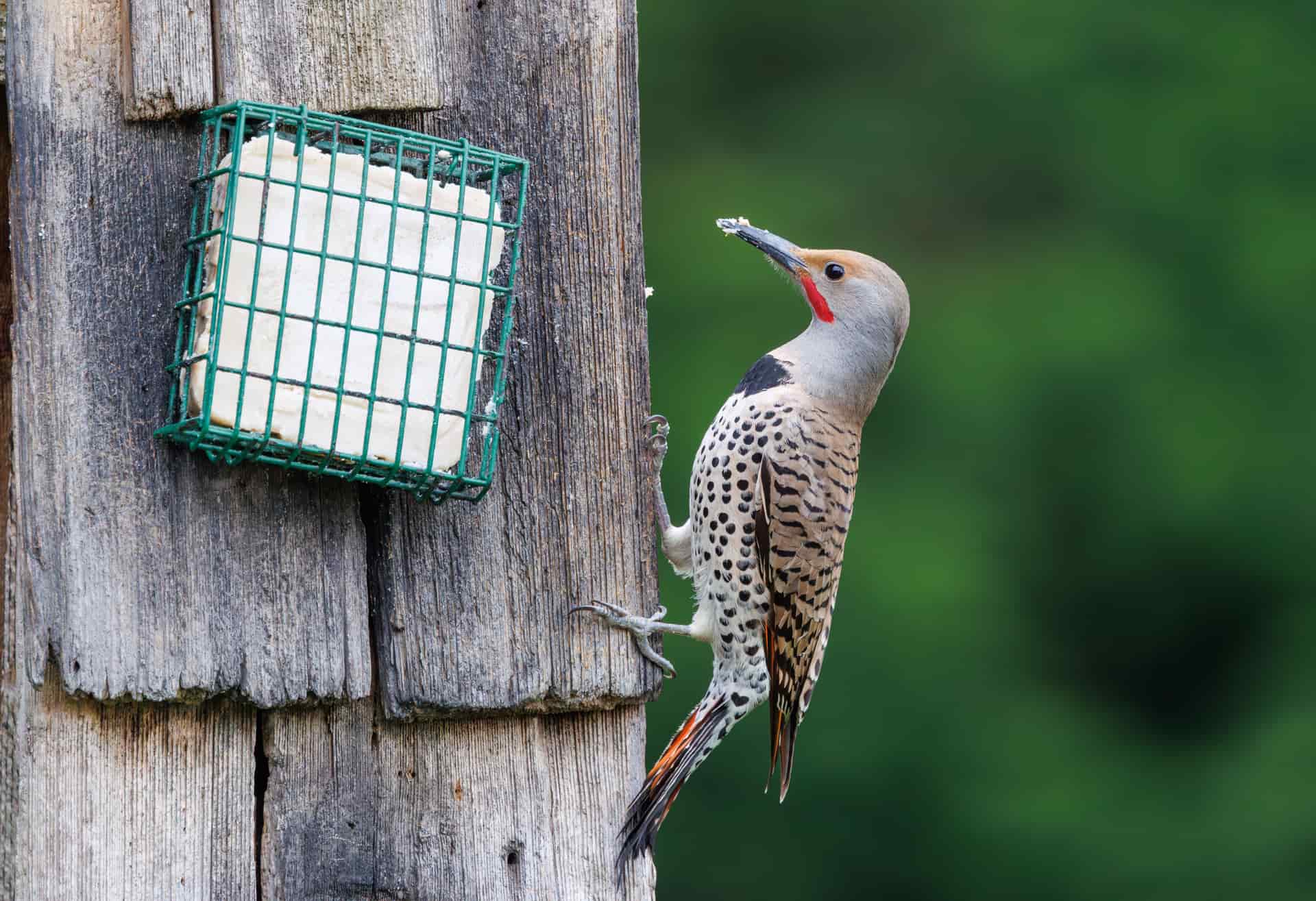
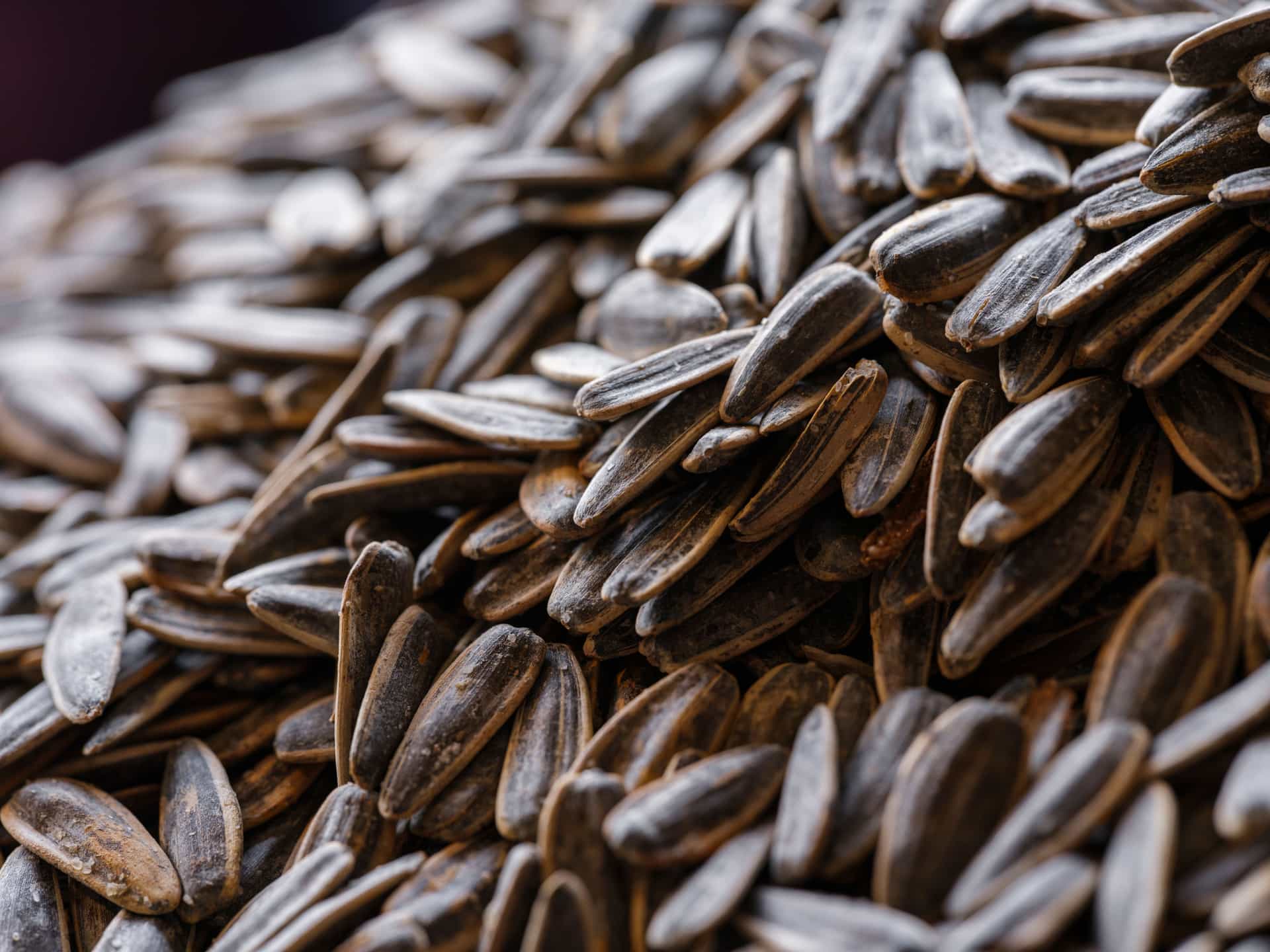
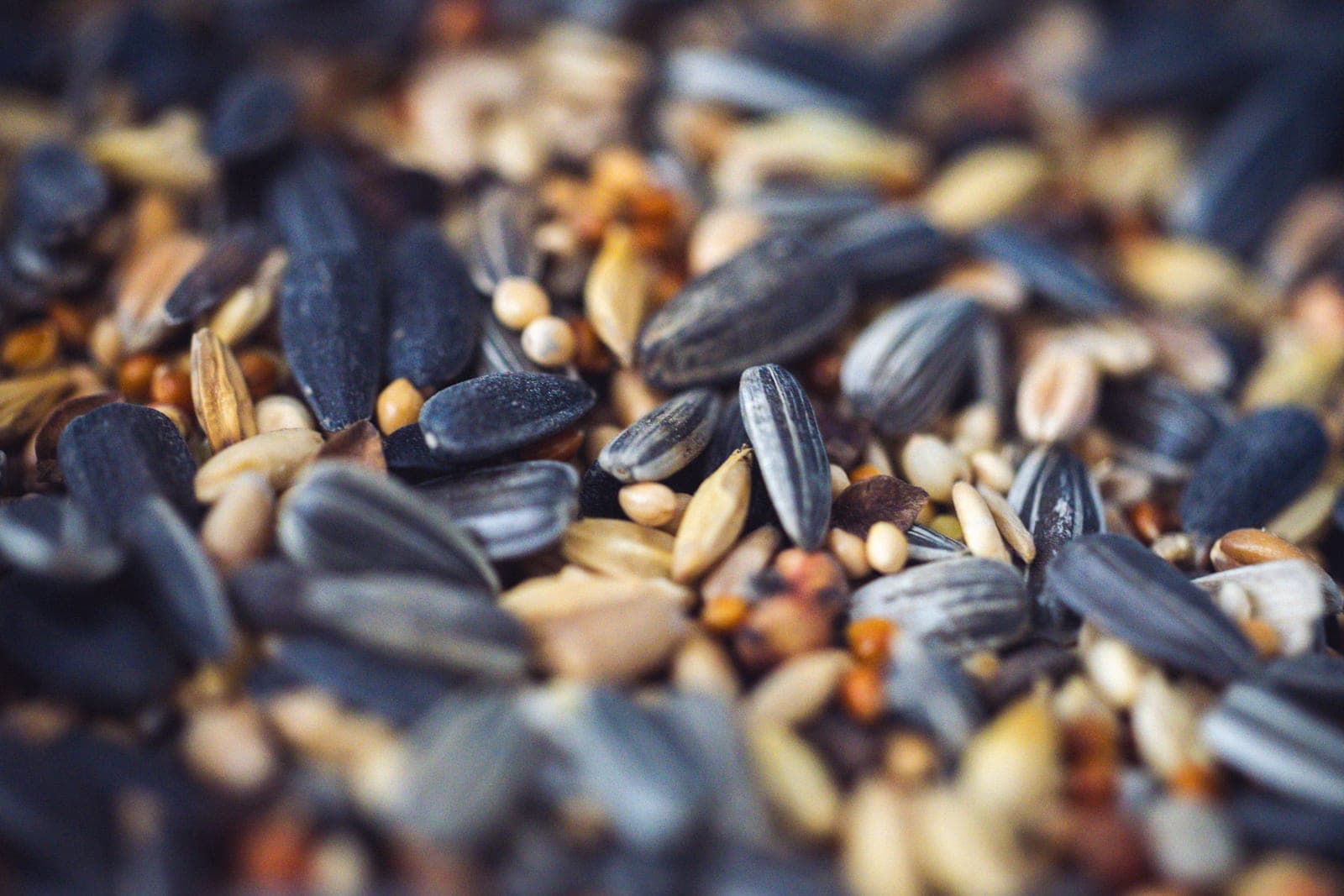
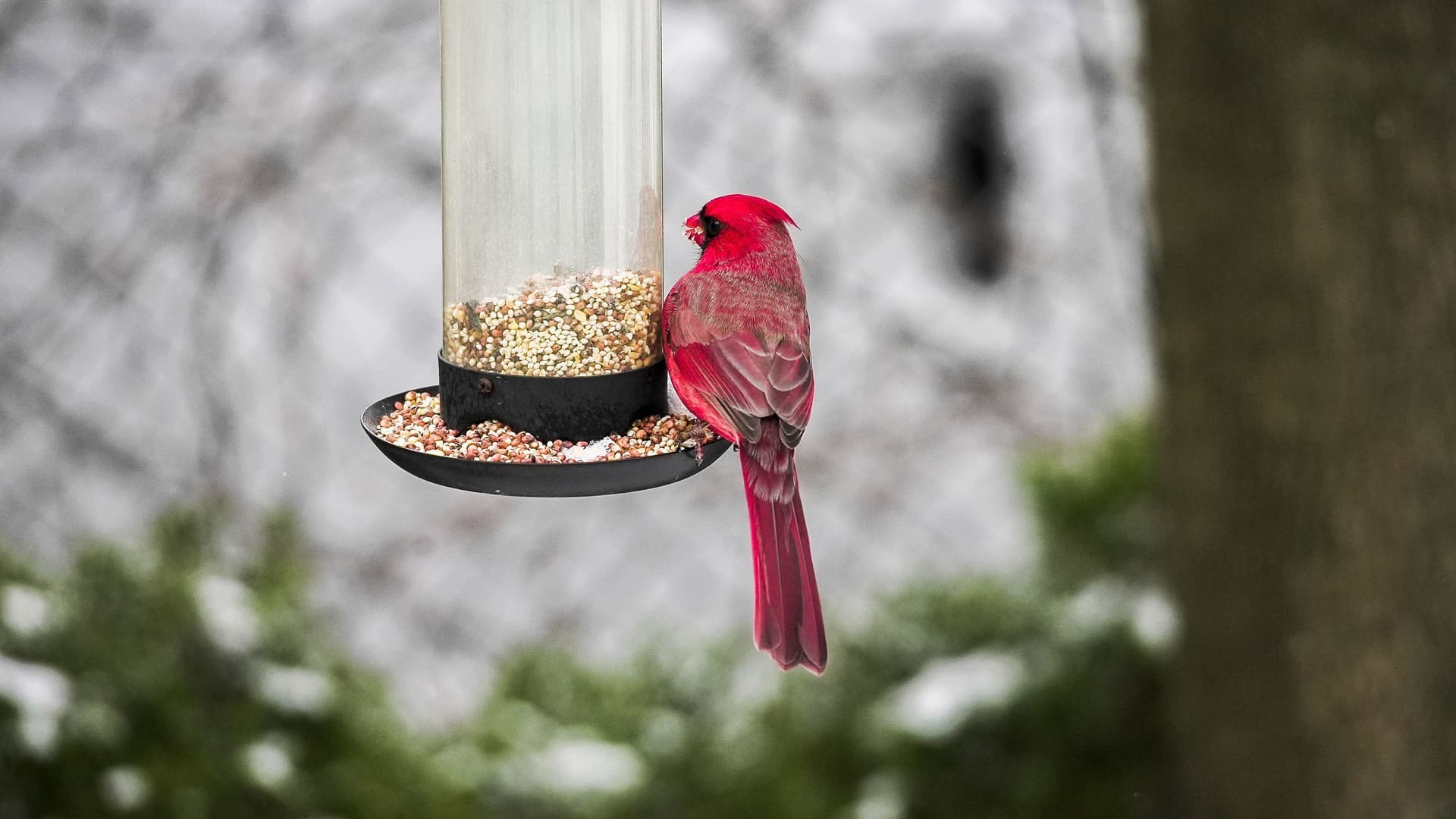
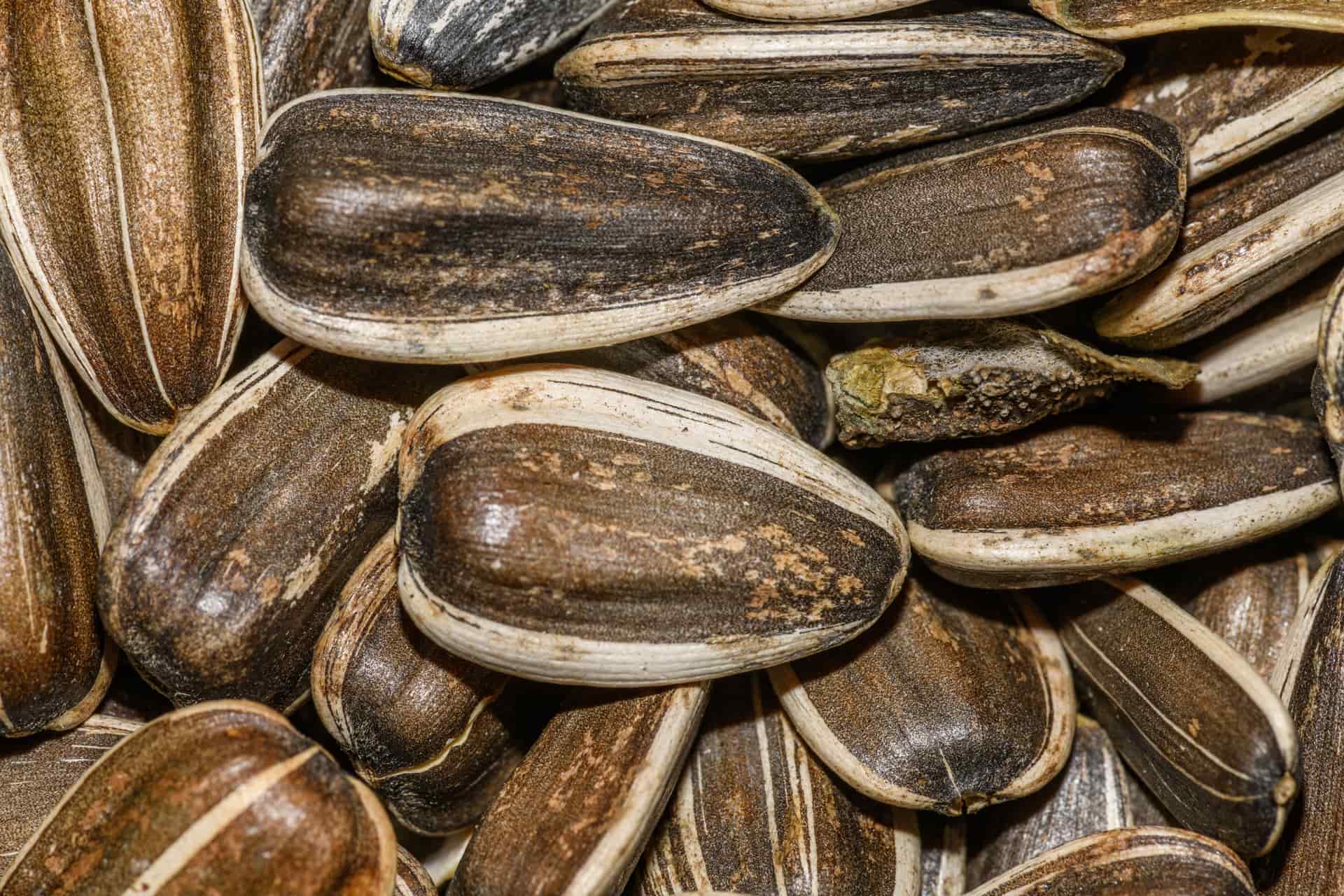
Practically: put out suet, and make the seed you buy black oil sunflower rather than a mixed bag — the winter seed roundup ranks the shelf and names the fillers to avoid. Suet vs seed in cold weather works through where each one wins, because it is not a clean sweep — sunflower is easier to eat on the wing and reaches birds that will not cling.
How the suet aisle divides
- Raw suet — beef kidney fat from a butcher's counter. Cheapest, highest fat, and it goes rancid above about 70 F. Fine in deep winter, a mess in a thaw.
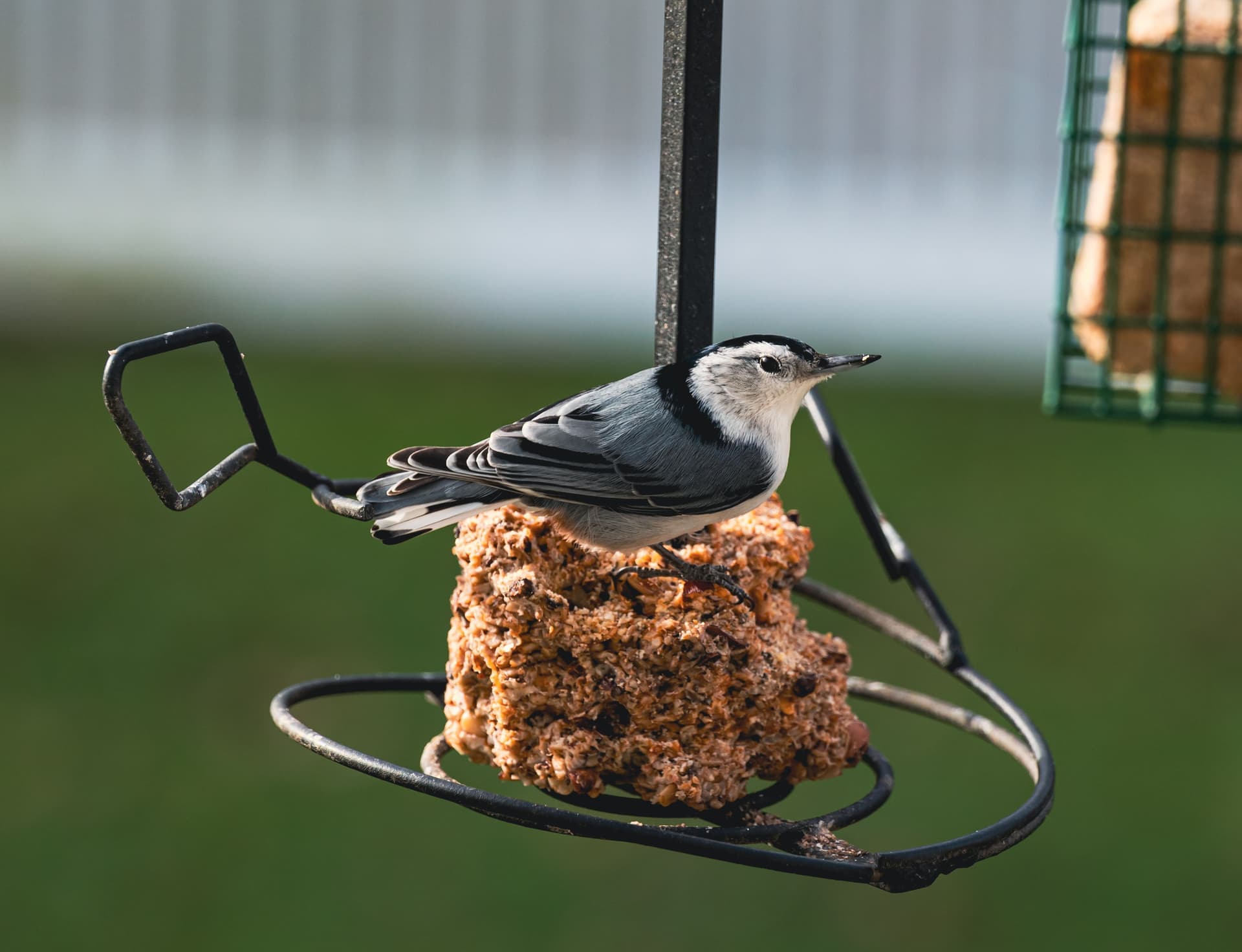
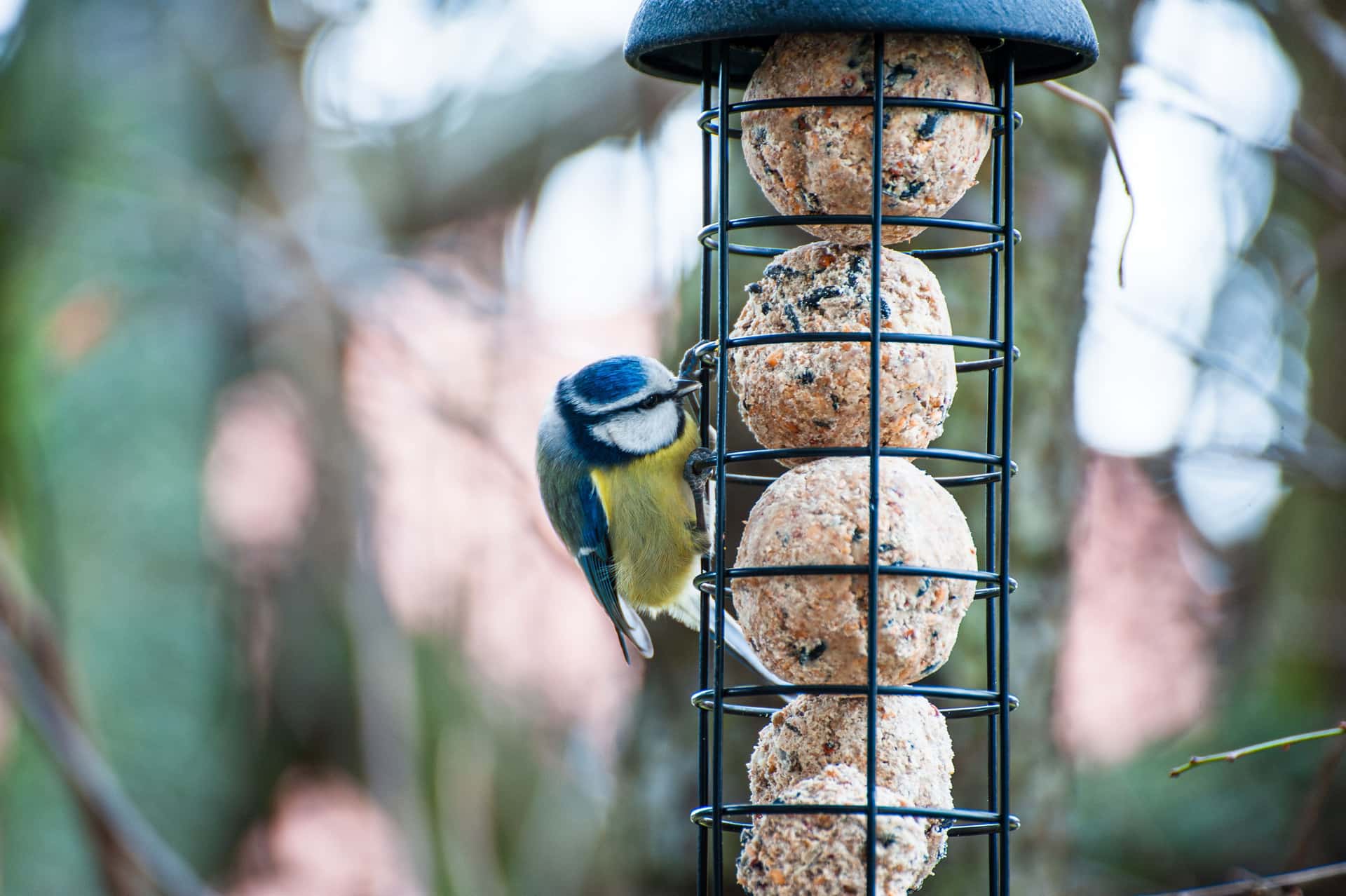
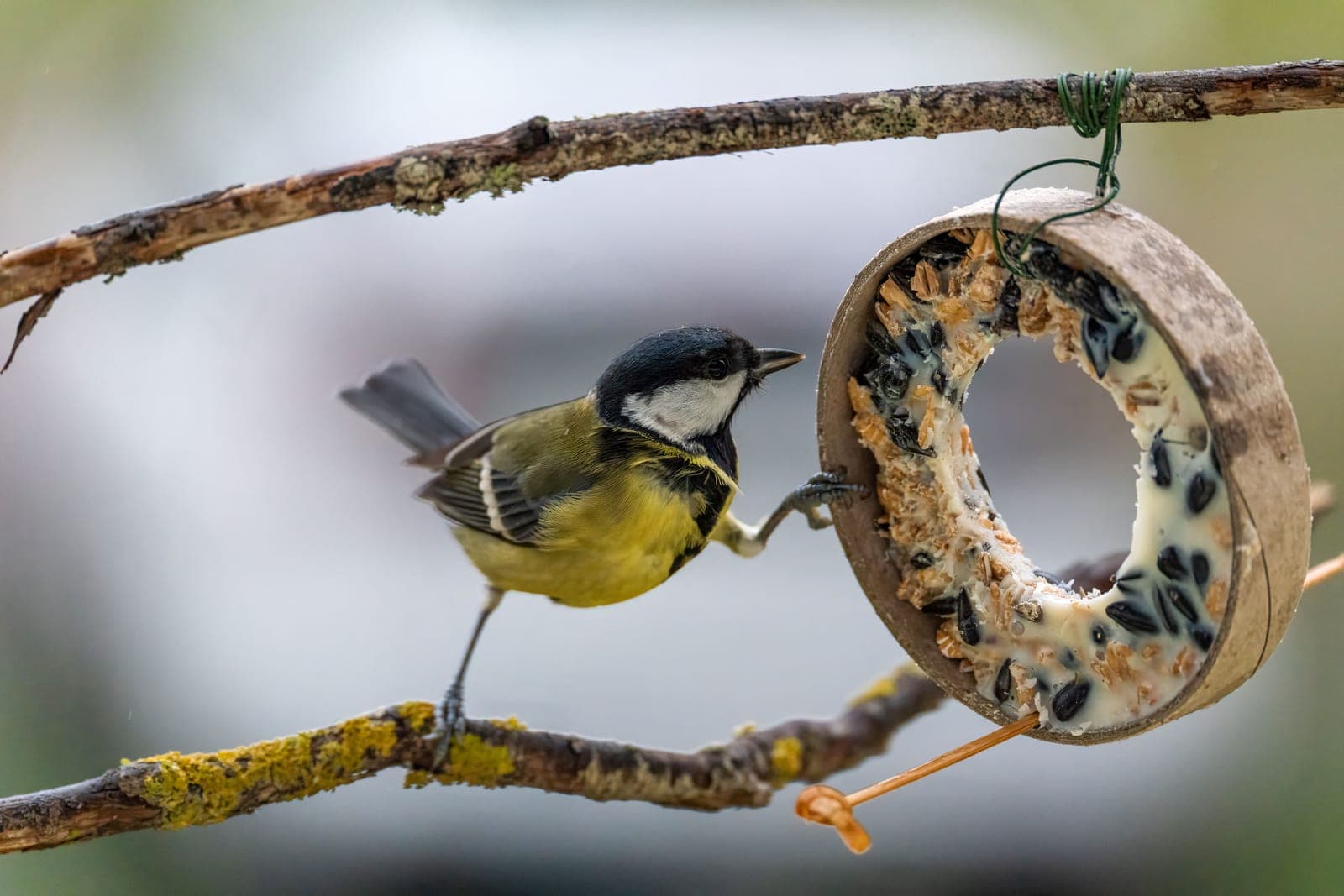
- No-melt suet dough — rendered fat blended with grain and seed so it holds shape well above freezing. This is what most people should buy. The roundup is here, and the no-melt page explains what the label actually promises.
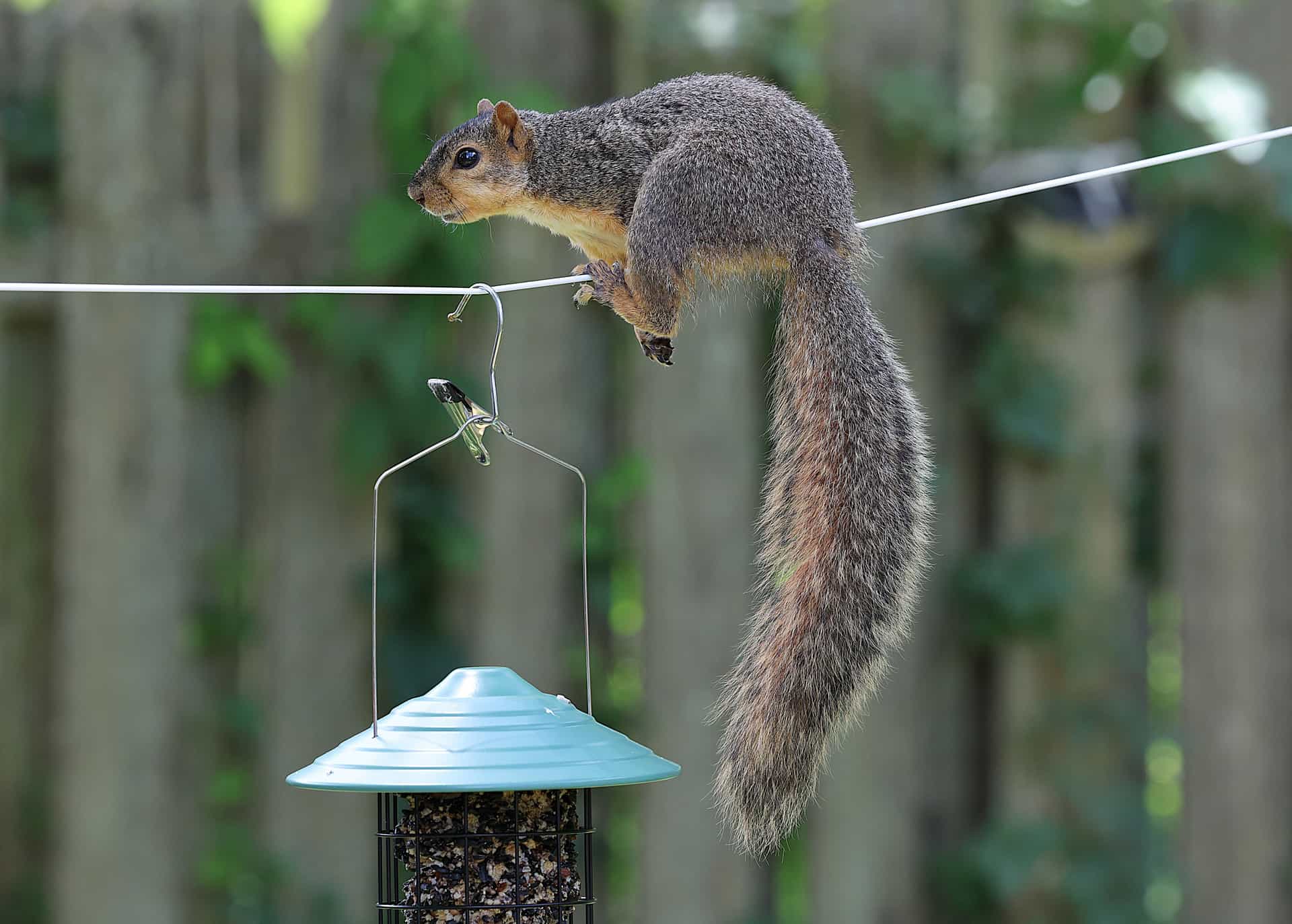
- Hot pepper cakes — the same dough with capsaicin. Birds cannot taste it; mammals emphatically can. The squirrel answer.
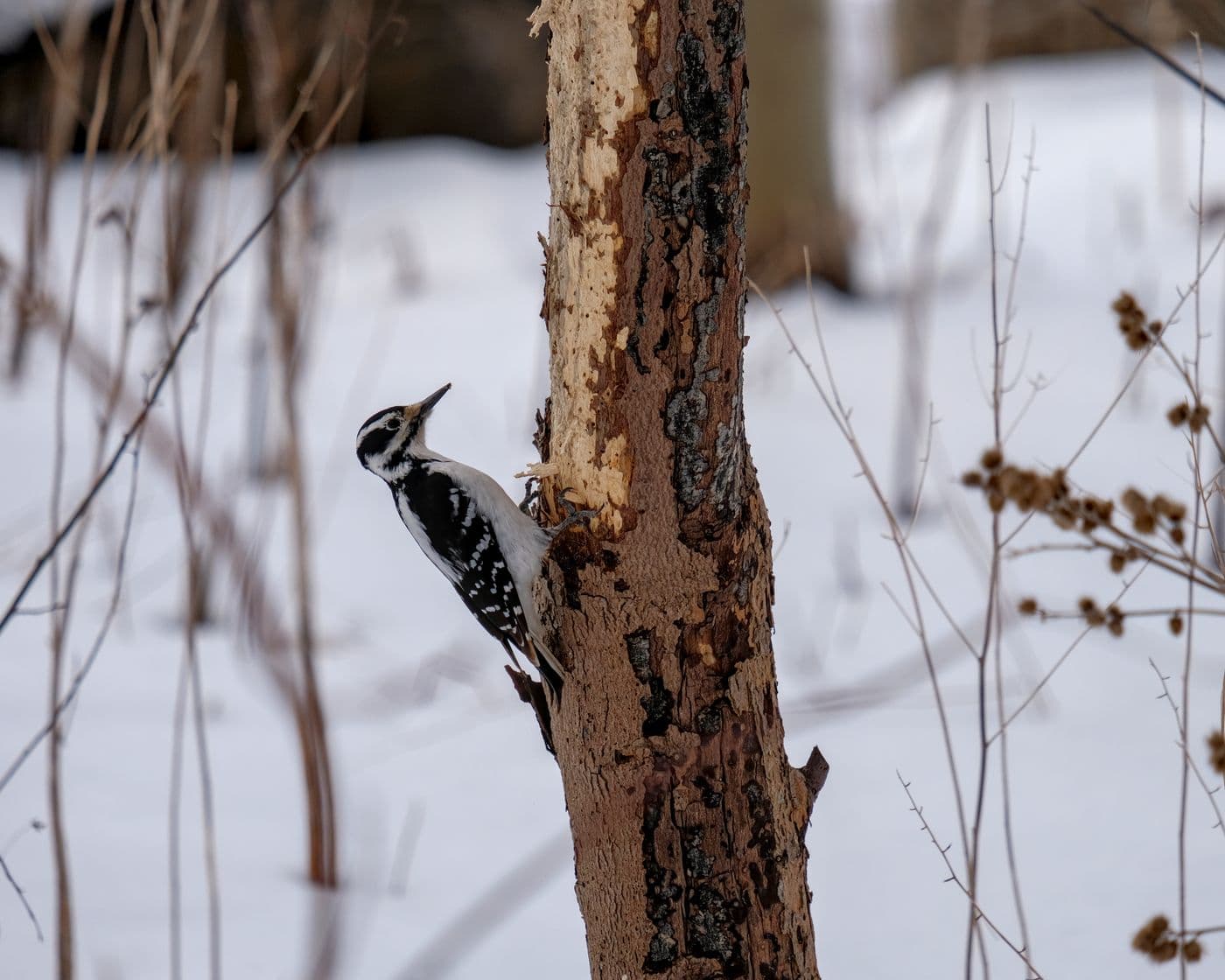
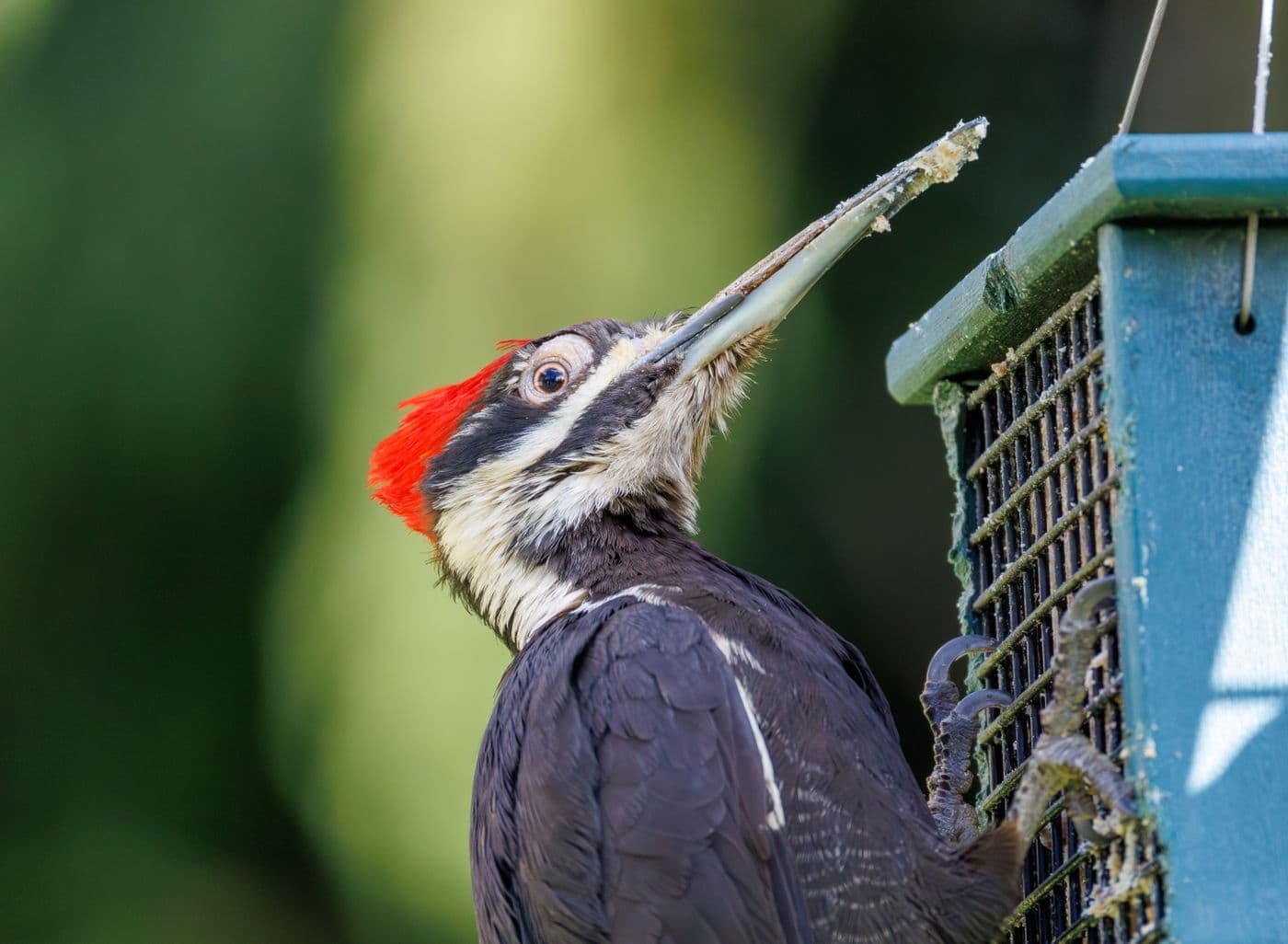
- Targeted blends — woodpecker, insect, mealworm, fruit. Useful once you know your yard, wasteful before that.
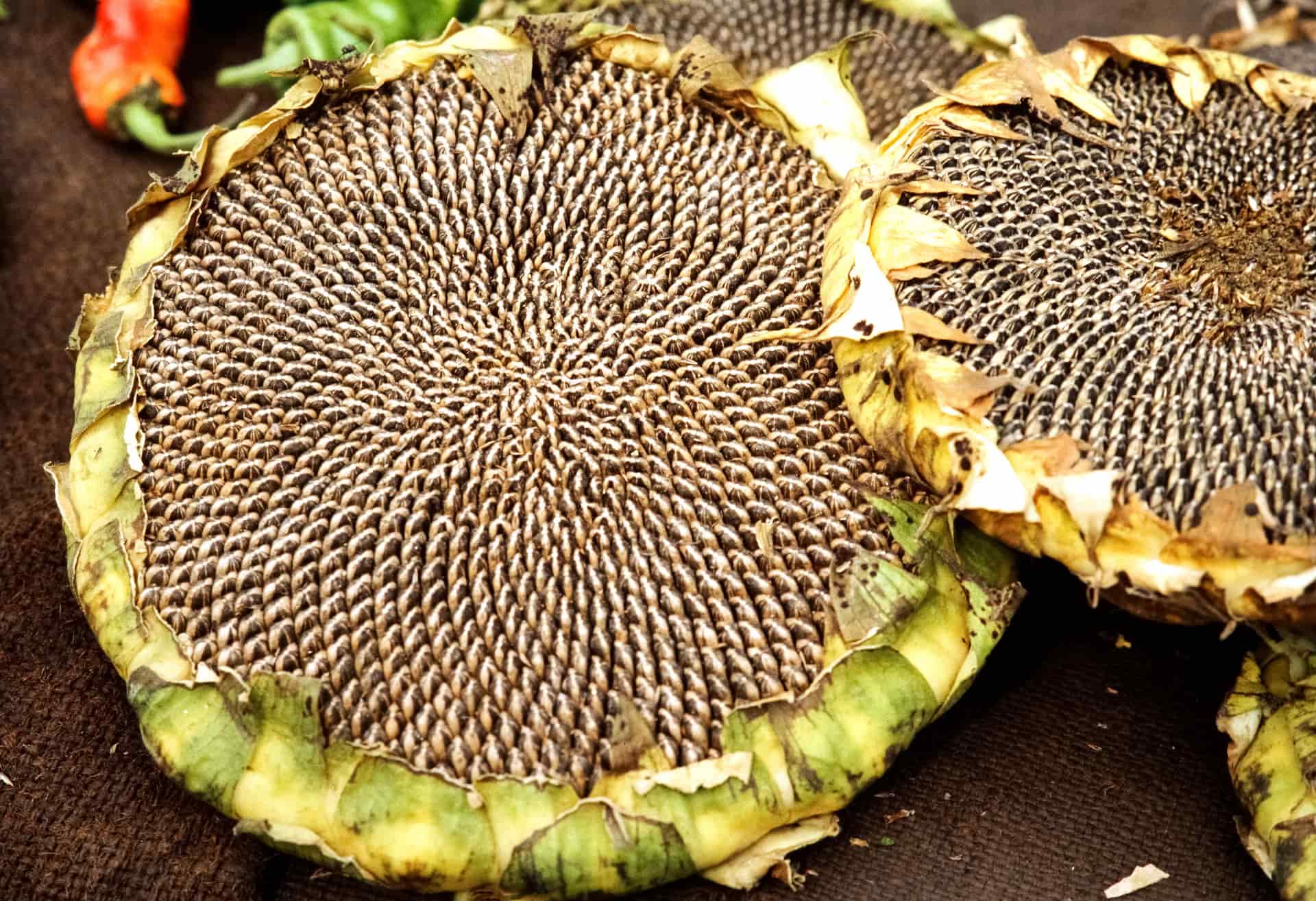
- Seed — black oil sunflower is the base of any winter setup, and the seed roundup covers the specialists that sit alongside it.
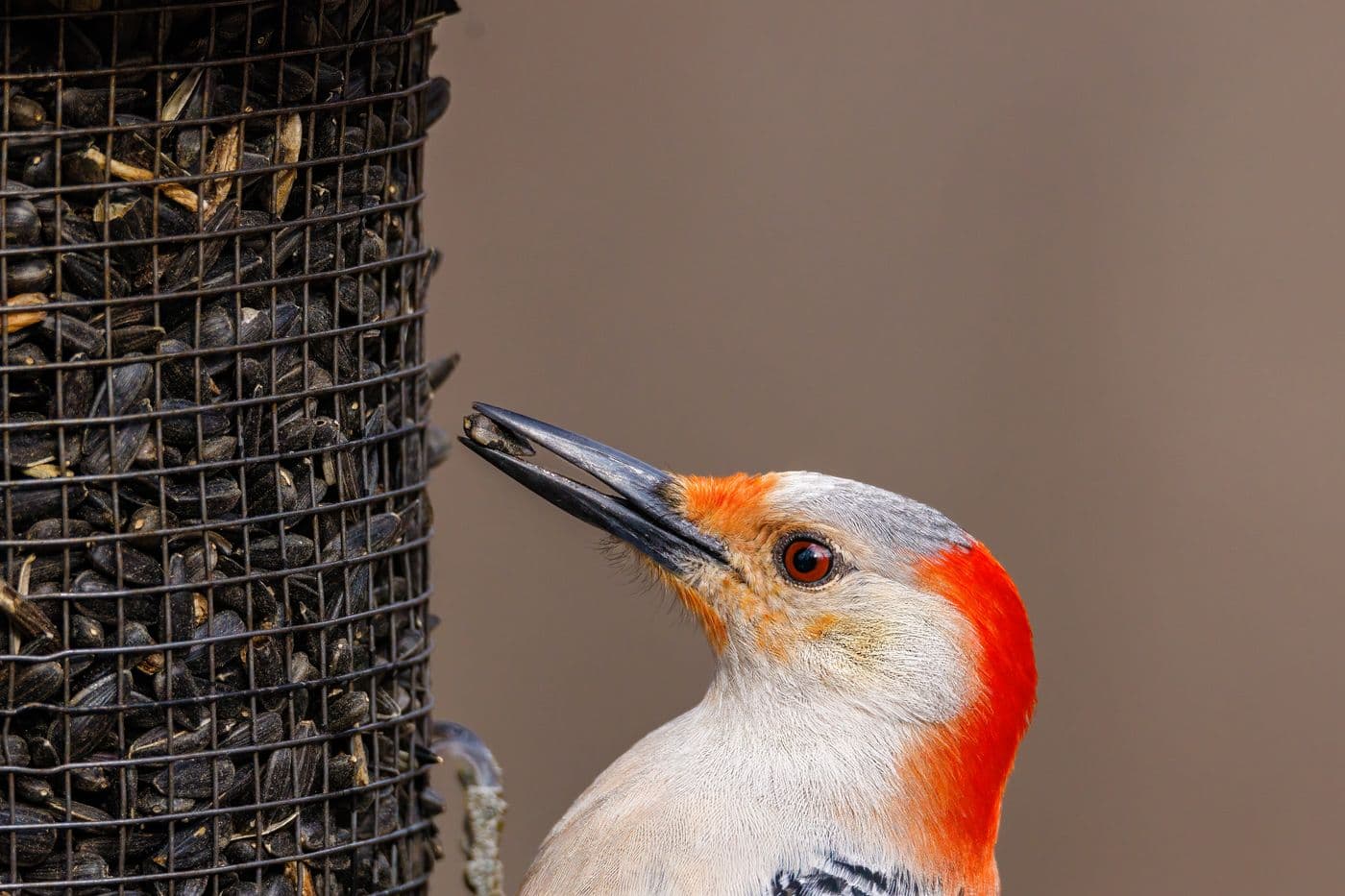
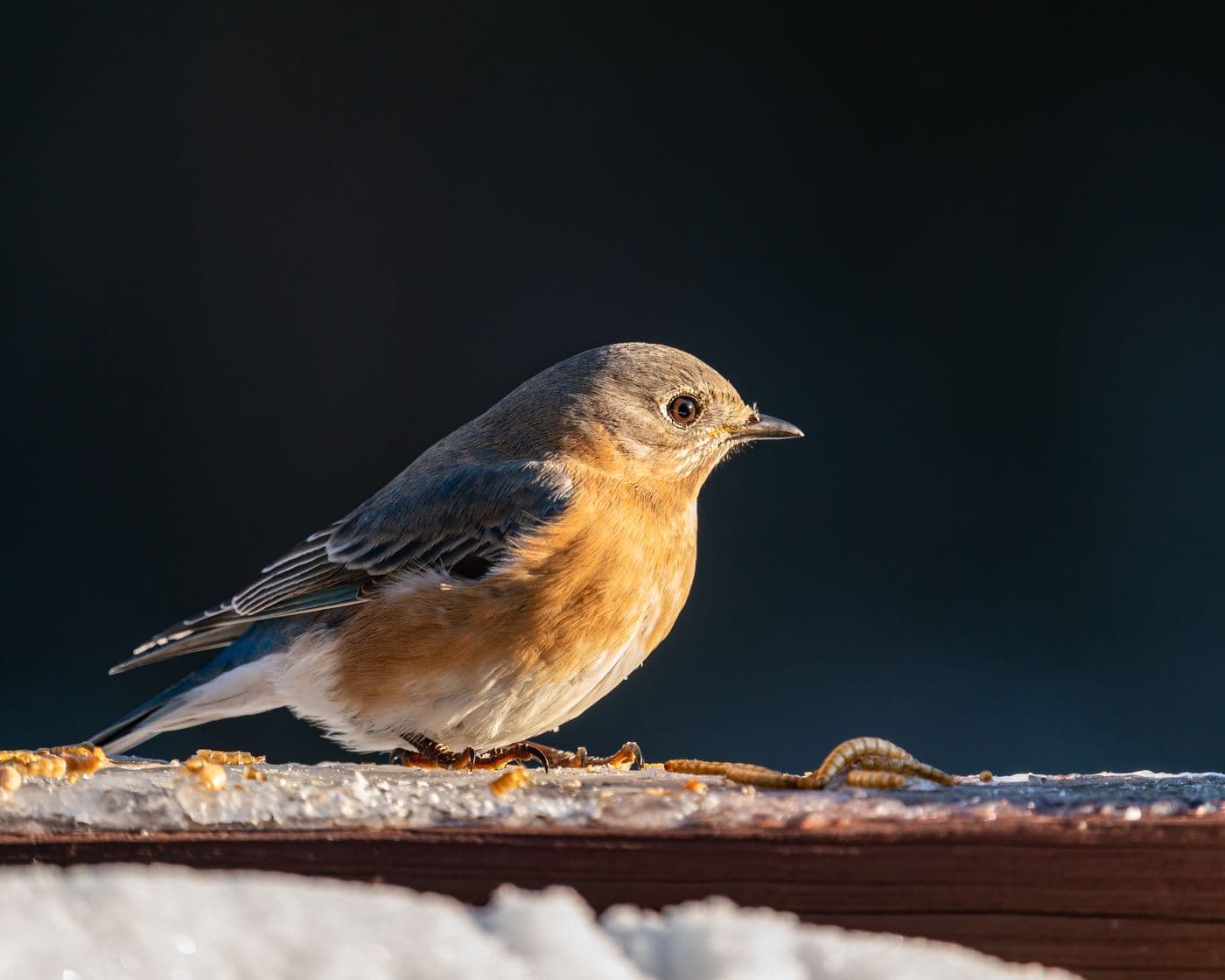
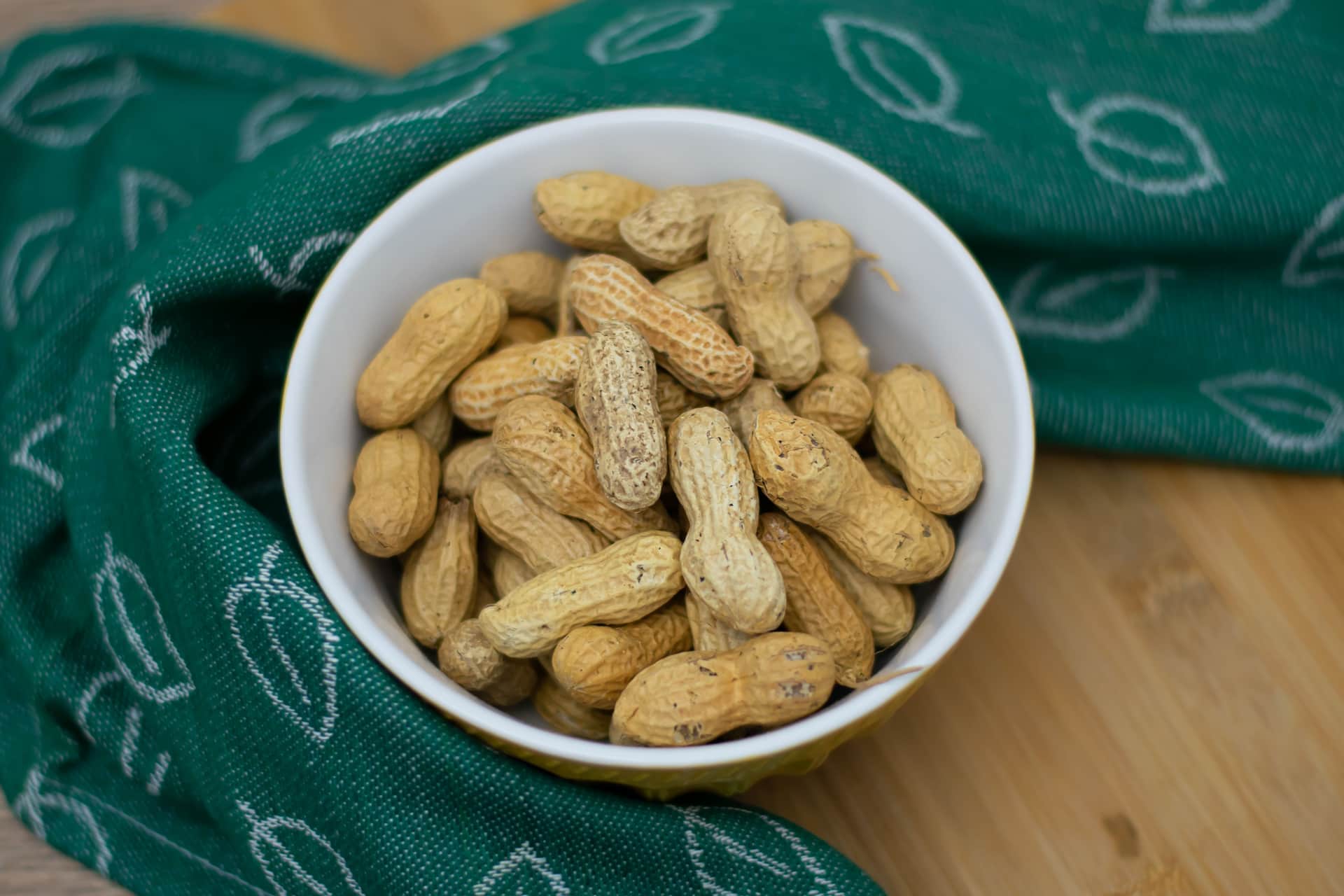
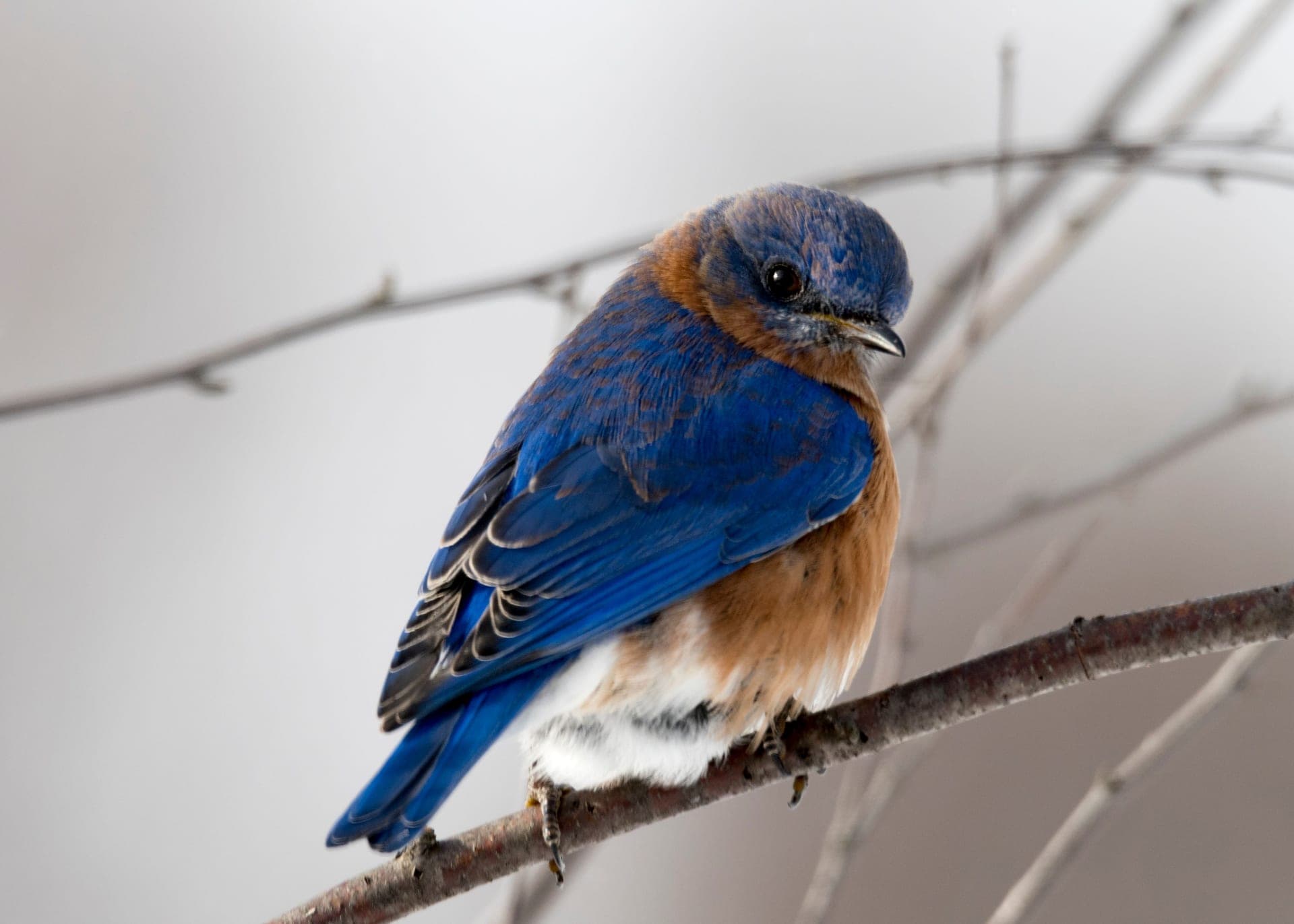
- Peanuts and mealworms — peanuts are the most reliable draw for woodpeckers and jays; mealworms reach bluebirds and wrens that ignore seed entirely.
What decides the price
Pack size, mostly. Per cake, a twelve-pack of a plain no-melt dough is the cheapest fat you can buy; single cakes at a garden center are two or three times that. Hot pepper carries a real premium, and specialty blends more still. Buy plain high-energy in a twelve-pack, add a pepper eight-pack only if you have a squirrel problem, and skip the fruit-and-berry cakes until you have seen what your yard eats. Fat comes in three other shapes worth knowing: suet nuggets go in a dish and reach the birds a cage feeder excludes entirely, suet plugs in a drilled log are the format starlings handle worst, and peanut butter is safe despite the choking myth you have read a hundred times.
Storage is the hidden cost. Twelve cakes in a damp garage go rancid, and rancid fat is worse than no fat — it is the one genuinely harmful thing on this list. Buy volume only if you have somewhere dry and rodent-proof to keep it.
The mistake buyers make
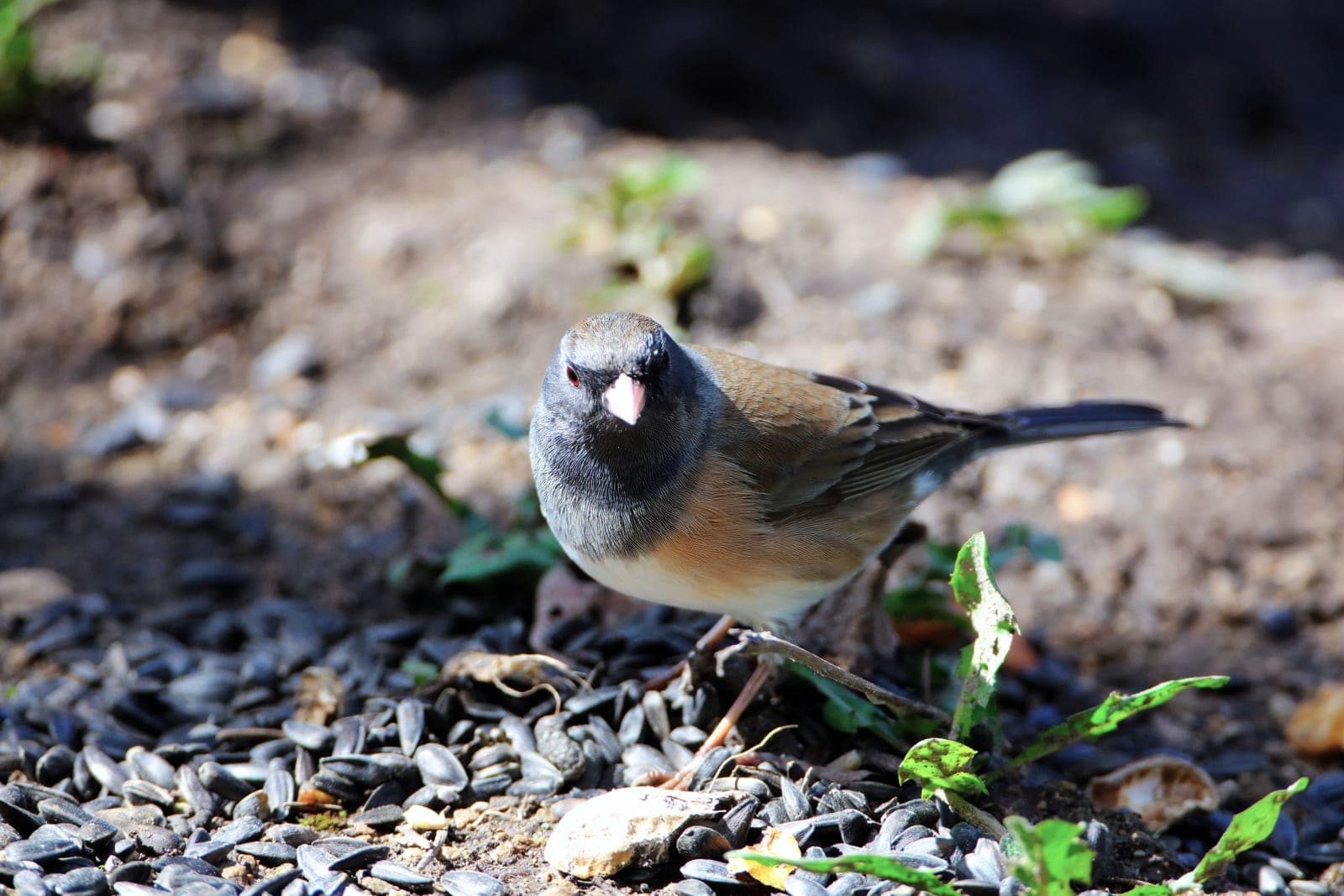
Buying a mixed seed bag with milo, wheat and red millet in it. Those fillers are cheap because almost nothing at a northern feeder eats them; birds kick them onto the ground, where they rot and attract rodents. You paid for weight you then have to sweep up. One 25 lb bag of straight black oil sunflower outperforms three bags of mix.
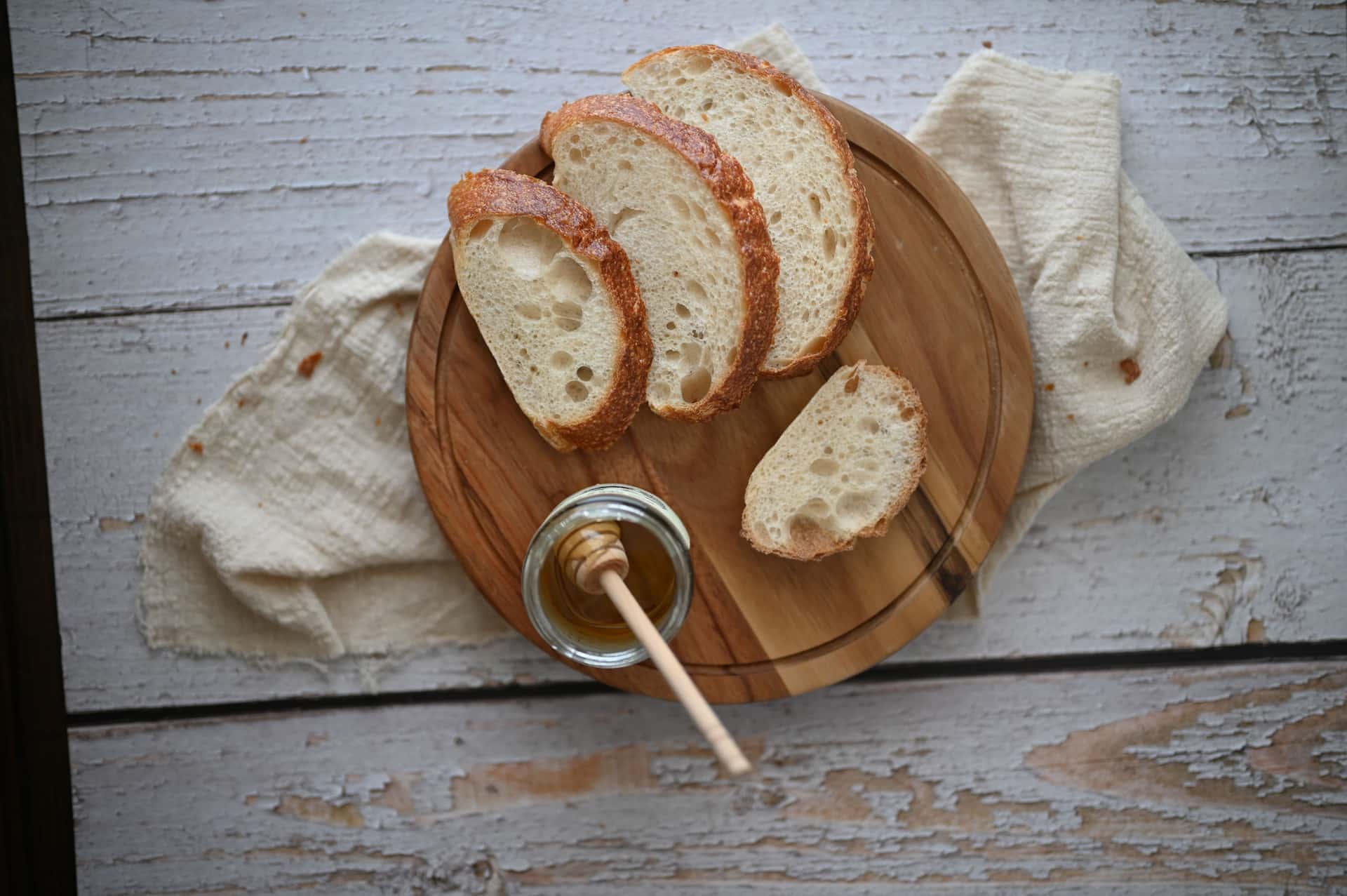
The second mistake is feeding kitchen scraps. Bread, salted nuts, and anything moldy do real harm, and the reasoning is not obvious — what not to feed birds in winter goes through it item by item.
Food is one leg of three
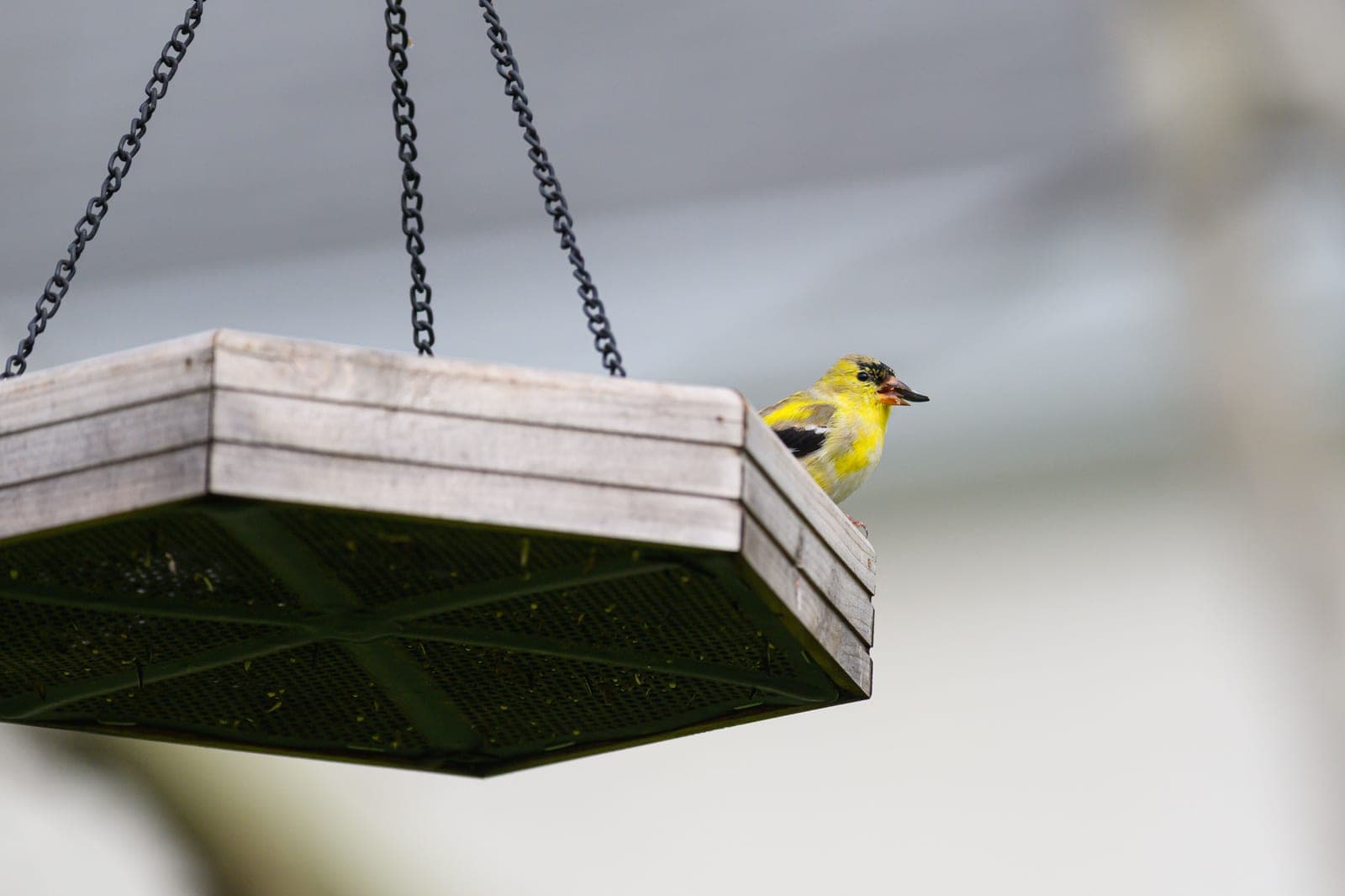
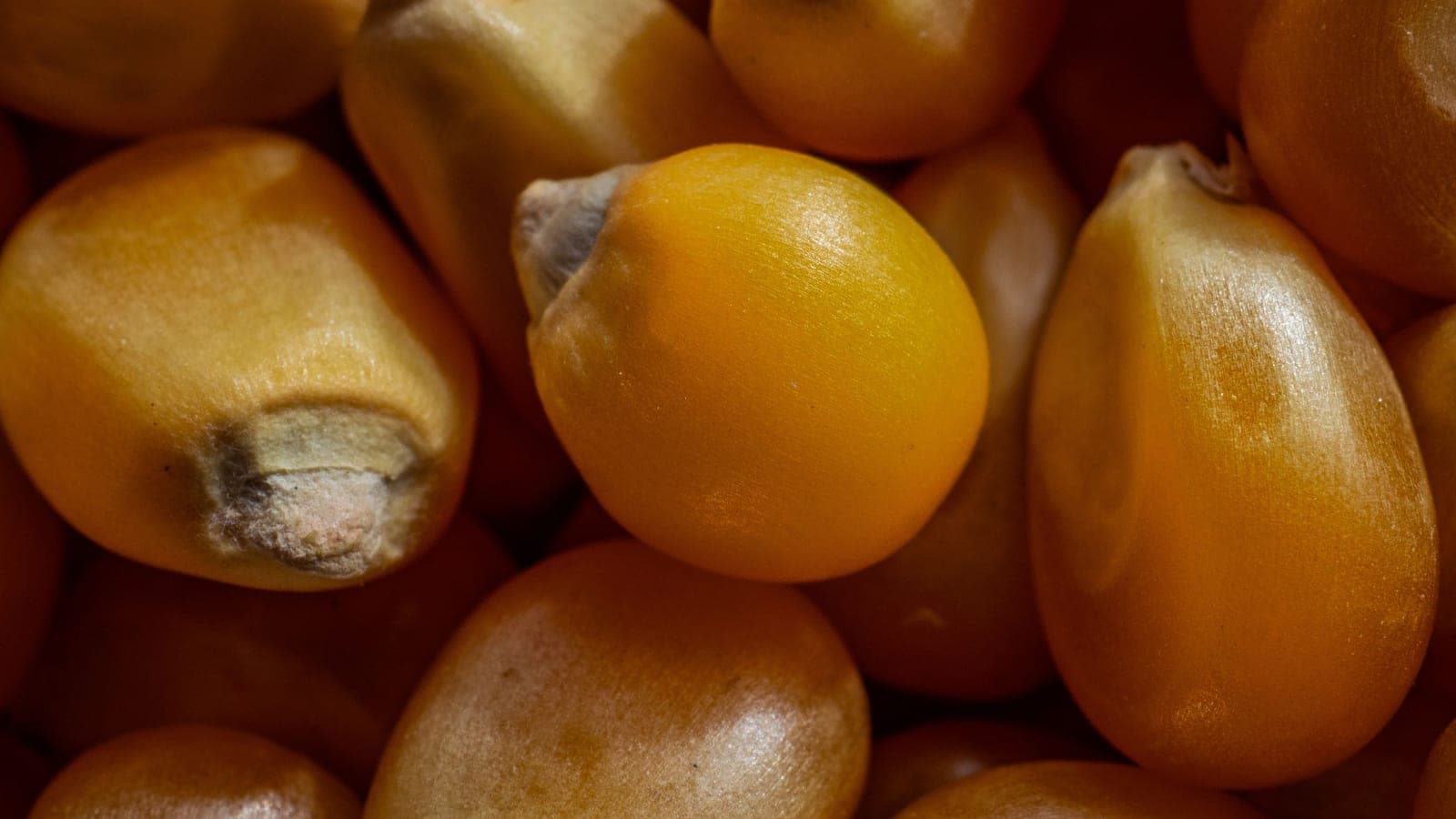
Buying in autumn is the cheapest way to feed through a winter, and it only works if the bag survives until February — bird seed storage containers covers which container stops mice, which stops damp, and why no single one stops both. Two formats cause more confusion than they should. Suet balls and fat balls hold the same fat as a cake in a shape that needs a different feeder — and they arrive in a plastic mesh that has to come off before you hang one. Cracked corn is the cheapest food here and the one that brings rats, which is a trade worth understanding before you buy a sack. One word on the bag causes more confusion than any other: millet. White proso and red millet are different seeds sold under it — one is genuinely eaten by juncos, native sparrows and doves, the other is the padding in bargain mixes. The other seed bought for a reason rather than a bird is safflower, which squirrels and grackles mostly refuse and cardinals actively prefer — a deterrent that works by taste rather than by hardware, with the exceptions spelled out. Two narrower purchases sit alongside the staples. The best suet for woodpeckers is the ingredient-led cut of the suet question, since a cake led by grain is filler with a fat binder. And nyjer seed and finch feeders covers the one seed that feeds goldfinches, siskins and redpolls and almost nothing else — rewarding where those birds occur, and expensive waste where they do not. At the opposite end of the price scale, seed cylinders are the most expensive way to buy seed and the one that stops you refilling in bad weather — you are paying for slowness, not for better seed.
Fat without water is a partial answer: a bird eating dry suet still has to melt snow with its own body heat, which is the metabolic cost you were trying to avoid. Pair this hub with open water and somewhere to spend the night out of the wind (roost boxes). And the food needs hardware that survives the weather — winter feeders covers that side.
Questions people actually ask
- Is suet good for birds in winter?
- Yes, and it is the single most useful thing you can put out. Suet is concentrated fat, which is exactly the currency a small bird needs on a freezing night. Project FeederWatch notes suet is the way to reach insect-eating birds that ignore a seed feeder. Full answer here.
- What is the single best food for winter birds?
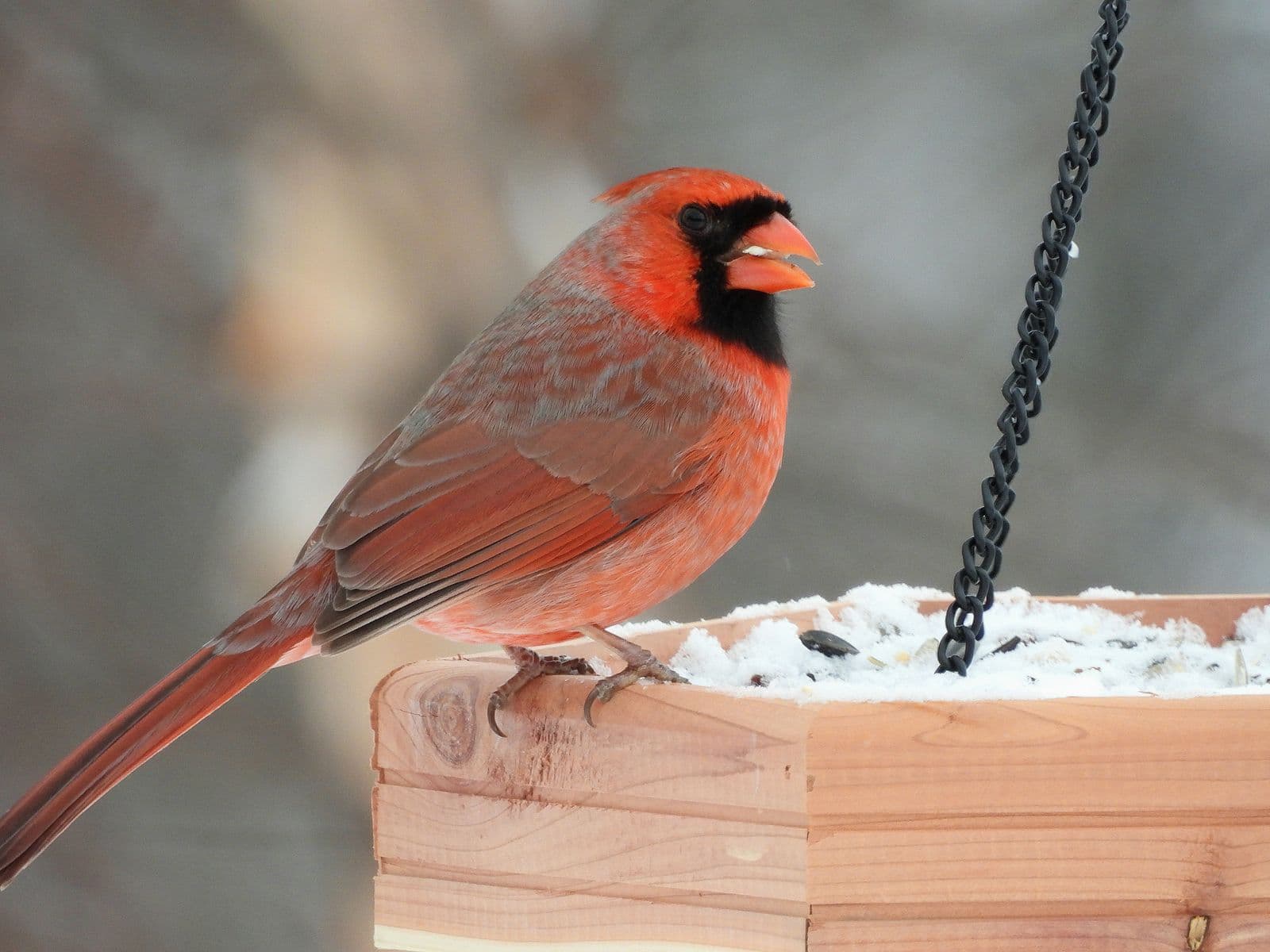
- No-melt suet dough for fat, and black oil sunflower for everything that will not cling to a cage. If you buy one thing, buy suet; if you buy two, add sunflower.
- Should I stop feeding if I go away for a week?
- Birds do not become dependent on one feeder in the way the folklore suggests — they forage across many sources. Keeping it filled matters most during an extended freeze, when alternatives really do disappear.
- Do hot pepper suet cakes hurt birds?
- No. Birds lack the receptor that makes capsaicin feel hot; mammals have it. That asymmetry is the entire mechanism, and it is why pepper cakes deter squirrels without affecting the birds you are feeding.