In a hard freeze, open water is scarcer than food. Seed and suet stay edible under snow; standing water does not stay liquid. Two things fix that: a heated bird bath, which is a basin with an element built in, or a de-icer, which is an element you drop into the bath you already own. Everything else on this hub is a variation on that choice.
The one decision that decides everything else
Do you already own a bird bath you are happy with? If yes, buy a de-icer. It is smaller, cheaper, draws less power, and uses a basin that already suits your yard. The de-icer roundup covers the shortlist, and heated bath vs de-icer works through the cases where the answer flips.
If you do not own a bath, or the one you own is concrete and will crack, buy a purpose-built heated bath. The element is sized to the basin, the cord routing is designed rather than improvised, and the thermostat lives where it can read the water. Start with the heated bath roundup.
How this category divides
- Complete heated baths, 60 W to 150 W, mounted on a deck rail, a pedestal, a clamp or a ground cradle. You are buying a basin and an element together.
- Submersible de-icers, 50 W to 250 W, dropped into an existing basin. Cheapest way in, and the only option if you like the bath you own. The 80 W K&H Super Ice Eliminator is the one most yards end up with, reviewed in full.
- Bucket and stock-tank de-icers, 200 W and up, for deep vessels. Overkill in a shallow bird bath and worth knowing about so you do not buy one by accident.
- Solar fountain pumps, 1 W to 7 W. These circulate water. They do not heat it. The solar page explains why the highest-volume search term in this category has an answer most sellers will not give you.
- Heated fountains, 48 W to 200 W. One housing holding both a thermostatic element and a small pump — the only way to get water that is moving *and* open in a freeze. The heated fountain roundup.
What actually decides the price
Not the wattage. A 250 W de-icer often costs less than a 60 W heated bath, because you are paying for a basin, a mount and a thermostat housing, not for the element. What moves the price is build material — cast aluminum and made-in-USA metalwork against molded plastic — plus whether a mount is included, and whether the maker publishes a spec sheet at all.
Wattage decides the running cost, and that is a separate number that almost nobody in this category publishes. We do: what a heated bird bath costs to run gives the full table, at the current US average residential rate, with the formula written out so you can substitute your own utility rate.
The mistake buyers make
Buying watts. More wattage feels like more capability, and in a 14-inch basin in a mild winter it is simply a larger electricity bill for the same open water. Match the element to the basin and the climate: 50 W for a small bowl, 80 W for a typical 16 to 20 inch bath, 200 W and up only for deep vessels or northern-tier cold.
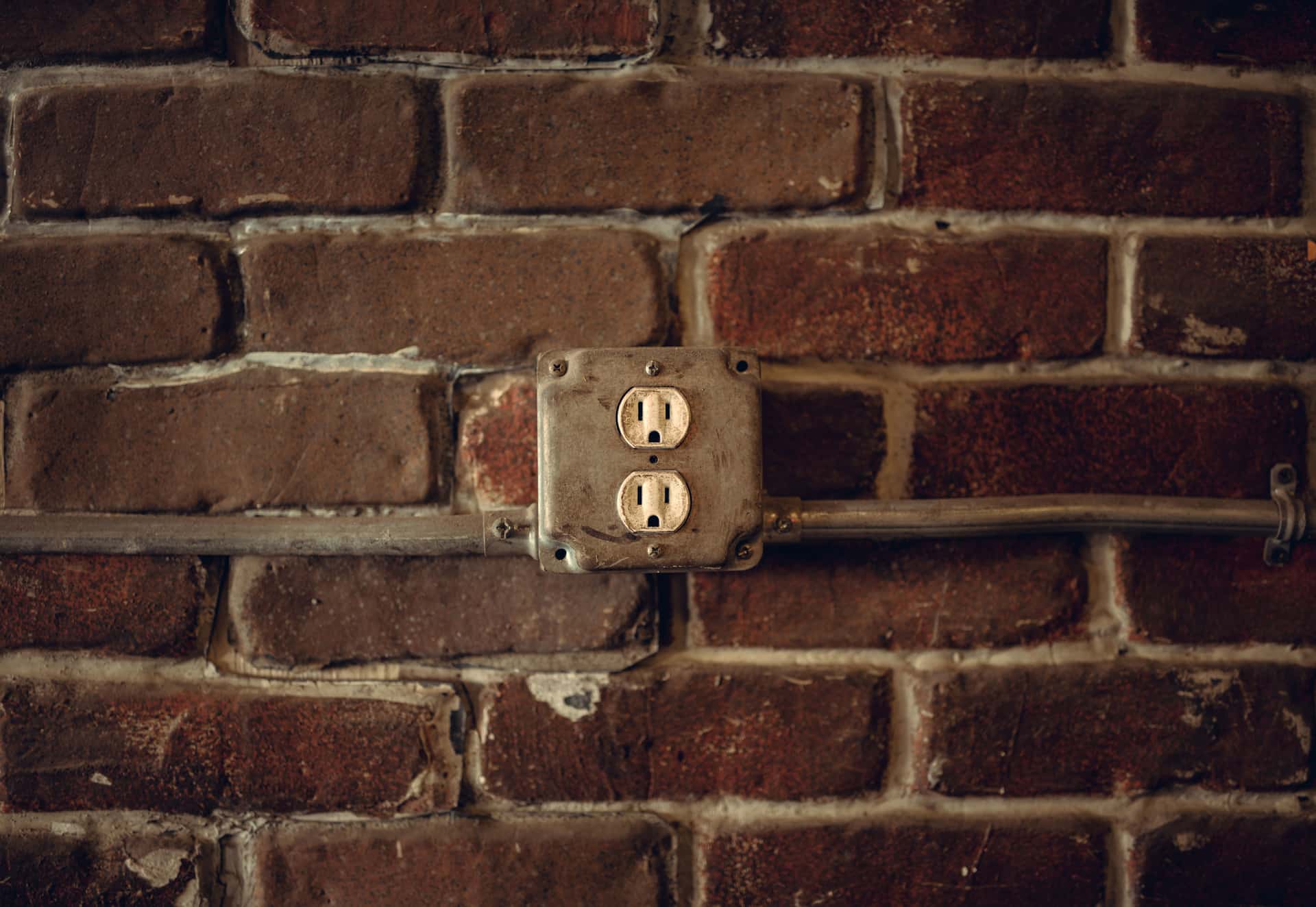
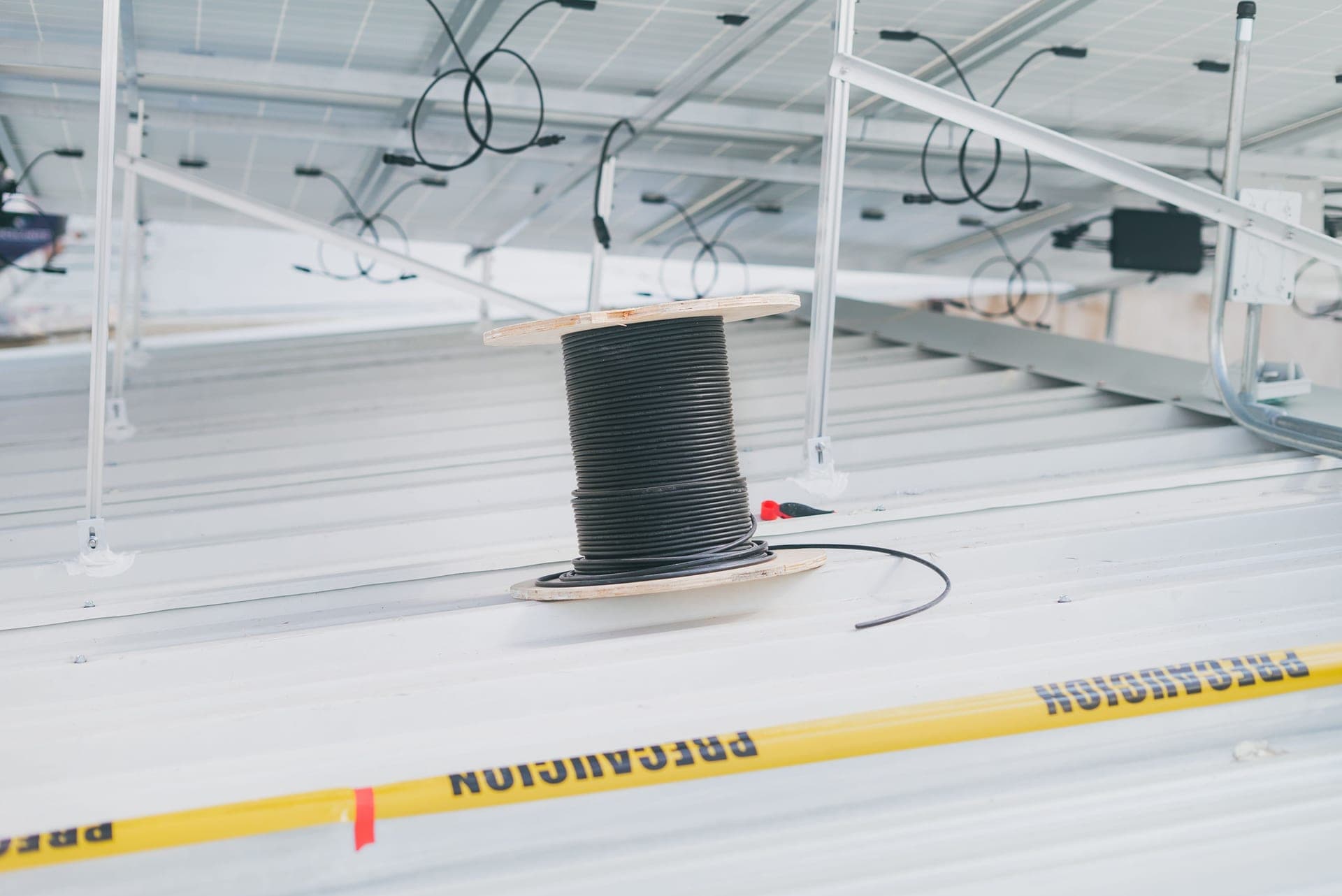
The second mistake is the cord. Several units ship with a six-foot lead, which means your bath has to live within six feet of an outdoor socket. An indoor extension cord is not an acceptable fix — that is the failure mode that starts fires. Are heated bird baths safe covers the GFCI rules, and outdoor power and cords covers the cord specifications and the one practice that is genuinely dangerous.
Two things that decide whether the bath gets used
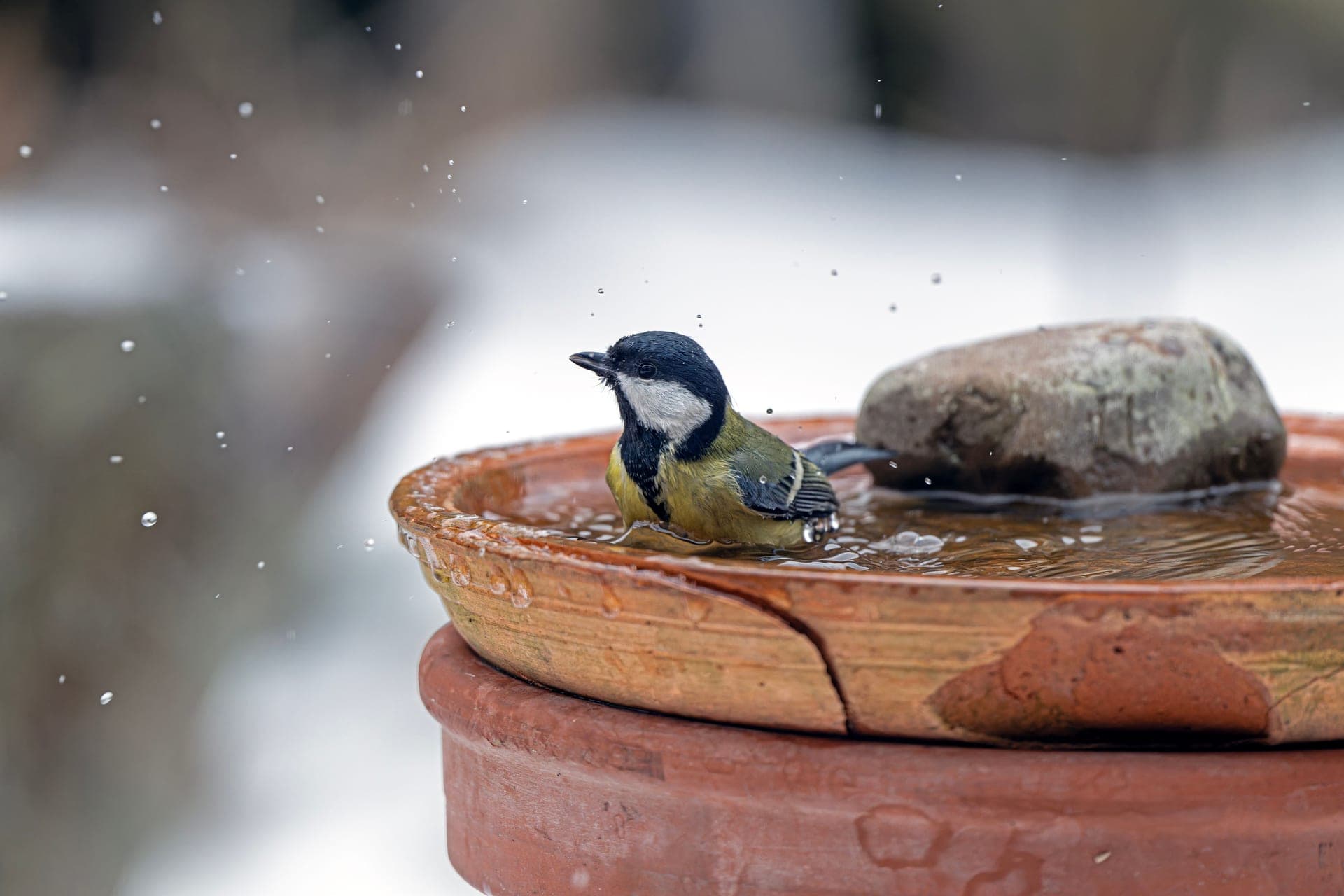
Depth first: most decorative baths are three inches or more of flat-bottomed water, which is over a small bird's head. Bird bath depth, and the stone trick that fixes it covers the numbers and the few dollars of river stone that solve a basin you already own. And if you have been sold moving water as a freezing fix, water wigglers do not do that — they are a mosquito product, and worth owning for the other eight months.
Water is not optional, and it is not decoration
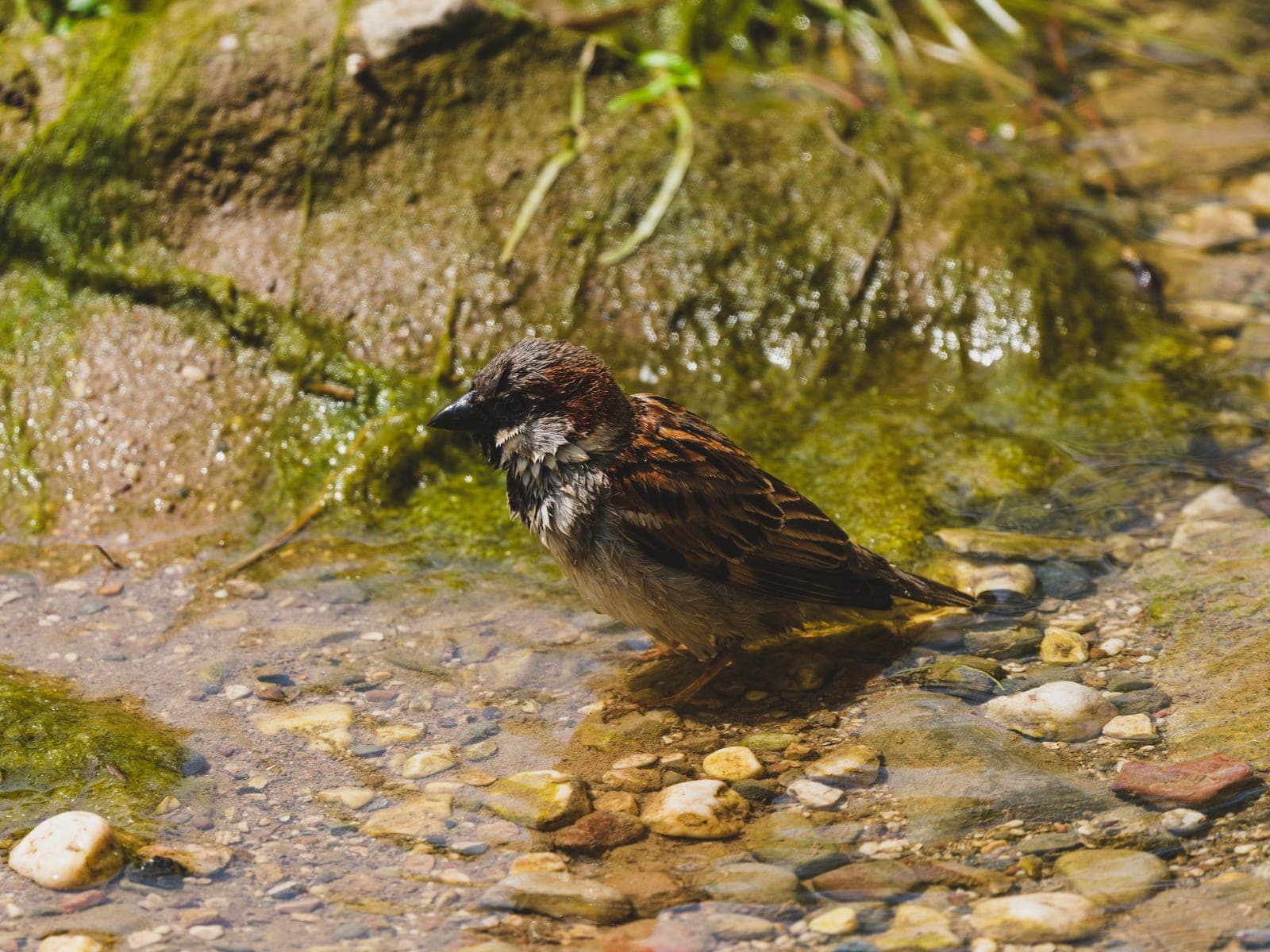
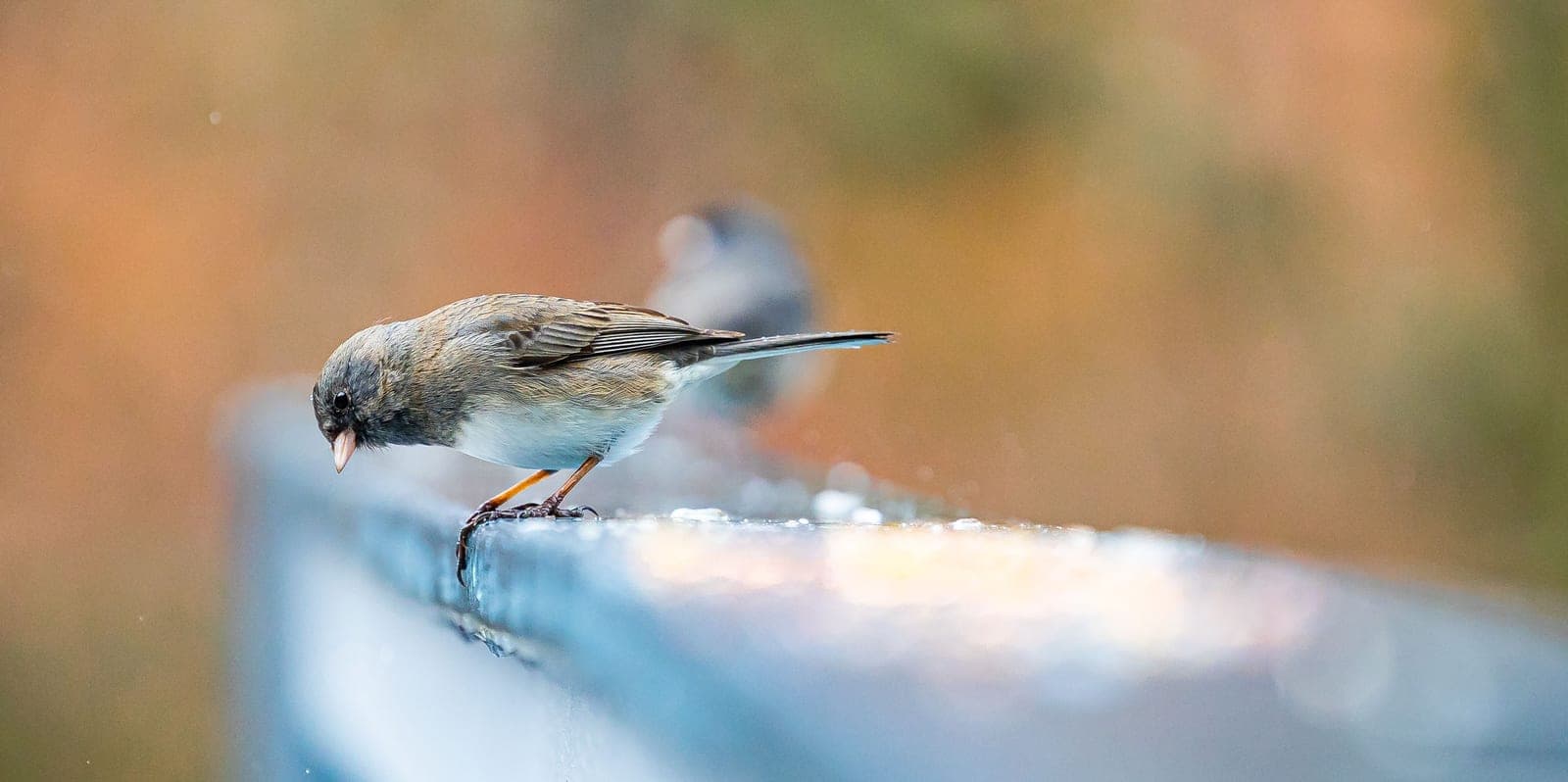
Birds get most of their winter water from snow and dripping ice, and they have real physiological mechanisms for conserving it, as the Cornell Lab points out. Eating snow costs energy — the bird is spending body heat to melt it. Liquid water is not a luxury item in your yard; it is the single most efficient thing you can offer, and it is the reason a bath outperforms a third feeder. Once water is handled, high-fat food and shelter for the night are the other two legs of the same setup.
Questions people actually ask
- Do I need a heated bird bath, or will a de-icer do?
- If you already own a bath you like, a de-icer. It costs less, draws less and reuses the basin. Buy a complete heated bath when you have no bath, or when the one you own is concrete or ceramic and would crack. The full comparison is here.
- How much does it cost to run a heated bird bath?
- At the current US average residential electricity rate, running a 50 W de-icer flat out for a four-month winter works out around twenty-six dollars, and a 150 W bath around seventy-nine. Both figures are ceilings, because every unit here is thermostatic. The full table and formula are on the running-cost page.
- Will a solar bird bath keep water from freezing?
- No. A solar fountain pump moves water; it does not heat it, and the panels here are rated between 1 and 7 watts. Circulation delays ice a little and prevents nothing. The honest answer is on the solar page.
- Is it safe to put an electric heater in water birds drink from?
- Yes, when the unit is a submersible de-icer designed for it and the outlet is a GFCI outdoor circuit with an outdoor-rated cord. The safety problems in this category are almost entirely about cords and outlets, not about the element. Details here.