Winter food / Guide
Mealworms for Winter Birds
The food for the birds a seed feeder never reaches. Expensive per pound, narrow in appeal, and the only thing that will hold overwintering bluebirds in a yard.
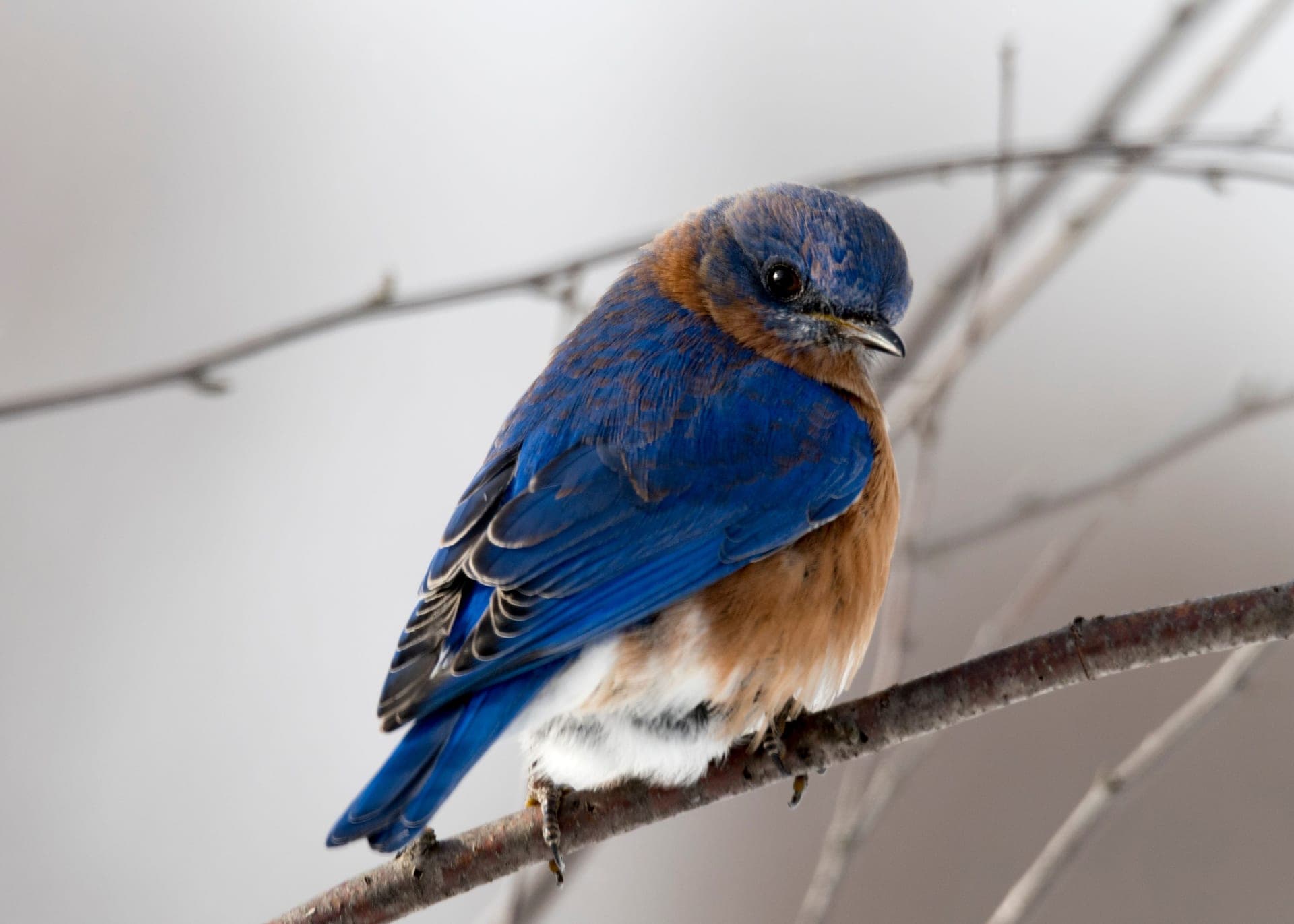
Mealworms reach insect-eating birds that ignore seed entirely — bluebirds, wrens, and occasionally robins and kinglets. In winter, buy dried, not live: they keep at room temperature, they carry protein by weight, and the live-worm refrigeration problem is not worth solving for a seasonal treat. Offer a small handful in a dish, not a feeder-full.
Winter Perch is funded by affiliate commission. If you buy through a link on this page we may earn a commission at no extra cost to you, and it never decides a ranking. Full disclosure · how we pick.
Quick picks
Ranked, with the trade-off named. Tap a row for the full write-up; the price button goes straight to Amazon.
| # | Product | Best for | Price |
|---|---|---|---|
| 1 | Songbird Essentials Dried Mealworms, 10 ozDried rather than live, which is the only practical format in winter — and the maker states dried mealworms carry more protein by weight than live ones. | Bluebirds and wrens, which a seed feeder never reaches | Check price on Amazon |
| 2 | MBTP Bulk Dried Mealworms, 5 lbThe bulk bag. Far cheaper per pound than a tub, and the wrong first purchase — buy it once you know the birds are taking them. | A yard that has already proved it will eat them | Check price on Amazon |
| 3 | C&S Insect Delight No-Melt Suet Dough, 12-packThe cake for wrens, bluebirds and anything else whose ordinary diet vanished the day the ground froze. | Insect eaters with nothing to eat in January | Check price on Amazon |
| 4 | Nature's Way CWF3 Cedar Platform Tray Feeder, 12 x 12 inA flat cedar tray with a screen bottom. Juncos, doves and cardinals feed from flat surfaces and largely ignore tubes. | Ground feeders that will not use a tube | Check price on Amazon |
#ad how we are funded · no live price right now
The picks in full
Top pick Bluebirds and wrens, which a seed feeder never reaches
Songbird Essentials Dried Mealworms, 10 oz
Dried rather than live, which is the only practical format in winter — and the maker states dried mealworms carry more protein by weight than live ones.
Specifications
- Type
- 100% natural dried mealworms
- Size
- 10 oz tub (3.5 oz packet also listed)
- Targets
- Bluebirds, wrens, chickadees, titmice, nuthatches
- Use
- Alone in a dish, or mixed into seed
Trade-offs
- Reaches overwintering bluebirds and wrens, which ignore seed entirely
- Dried keeps at room temperature — live mealworms are a refrigerator problem
- A resealable tub, which matters for something you put out in small handfuls
- Can be mixed into seed to lift a whole feeder rather than needing its own
- Expensive per pound compared with any seed on this site
- Dried mealworms are dry — birds take them more readily near a water source
- Attracts attention from mammals and, in mild spells, from ants
- 10 oz is not much if you scatter it generously
Who it is forYards holding wrens or overwintering bluebirds, fed in small amounts from a dish.
Skip it ifSkip it if your winter list is finches, jays and sparrows. They will pick at mealworms and prefer the seed, and you will have paid a large premium for the privilege.
#ad how we are funded · no live price right now
No. 2 A yard that has already proved it will eat them
MBTP Bulk Dried Mealworms, 5 lb
The bulk bag. Far cheaper per pound than a tub, and the wrong first purchase — buy it once you know the birds are taking them.
Specifications
- Type
- Bulk dried mealworms
- Size
- 5 lb
- Also for
- Chickens and poultry
Trade-offs
- Dramatically cheaper per pound than a 10 oz tub
- Five pounds is a genuine season's supply for a bluebird-feeding yard
- Same product as the small tubs, without the packaging premium
- Five pounds of dried insect needs a sealed container or it draws pantry pests
- A completely wasted purchase if your yard turns out not to take mealworms
- Bulk packaging is not resealable in any useful way
Who it is forAn established bluebird or wren yard, after a small tub has proved the interest.
Skip it ifSkip it as a first purchase, every time. Buy a 10 oz tub, see whether anything eats it, and only then buy five pounds.
#ad how we are funded · no live price right now
No. 3 Insect eaters with nothing to eat in January
C&S Insect Delight No-Melt Suet Dough, 12-pack
The cake for wrens, bluebirds and anything else whose ordinary diet vanished the day the ground froze.
Specifications
- Format
- 11.75 oz cake
- Pack
- 12
- Type
- No-melt dough with insect content
Trade-offs
- Targets the birds a seed feeder never reaches
- Twelve-pack pricing
- No-melt behavior identical to the rest of the C&S range
- Less interesting to seed-eating regulars, so a single-feeder yard sees less traffic
- Insect blends attract more attention from raccoons in mild spells
Who it is forYards that hold wrens or overwintering bluebirds.
Skip it ifSkip it if your winter list is finches, sparrows and jays. They will pick at it and prefer the high-energy cake, and you will end up with eleven cakes of the wrong thing.
#ad how we are funded · no live price right now
No. 4 Ground feeders that will not use a tube
Nature's Way CWF3 Cedar Platform Tray Feeder, 12 x 12 in
A flat cedar tray with a screen bottom. Juncos, doves and cardinals feed from flat surfaces and largely ignore tubes.
Specifications
- Size
- 12" x 12"
- Material
- Cedar with mesh base
- Drainage
- Screen bottom
- Mount
- Hang or set low
Trade-offs
- Reaches the third of your winter list that will not use a tube feeder
- The screen base drains meltwater instead of pooling it
- Takes seed, cracked corn, fruit and suet nuggets equally
- The easiest feeder on this site to clean properly
- An open tray, so snow lands directly in it
- No exclusion of anything — squirrels, starlings and deer all welcome
- Needs clearing after every snowfall
Who it is forYards with ground-feeding regulars, and anyone who has noticed the juncos never land on the tube.
Skip it ifSkip it if you cannot get out to clear it. A tray under six inches of snow is not a feeder, it is a bird-shaped disappointment.
#ad how we are funded · no live price right now
Who this is actually for
Be honest with yourself before spending the money, because mealworms are the most expensive food per pound on this site by a wide margin.
They are worth it if your yard holds overwintering bluebirds — which is much of the eastern and central US, where bluebirds no longer migrate as far as they once did — or Carolina wrens, which stay put through winter and are among the birds most at risk in a hard freeze. They are also taken by chickadees, titmice and nuthatches, which will eat almost anything.
They are not worth it if your winter list is finches, jays and sparrows. Those birds will pick at mealworms and prefer the seed, and you will have paid several times the price of sunflower for the privilege of watching them decline it.
Dried or live?
| Dried | Live | |
|---|---|---|
| Storage | Room temperature, sealed container | Refrigerated, and they are alive |
| Winter practicality | Straightforward | A genuine hassle for a seasonal food |
| Bird preference | Taken readily, especially once learned | Preferred, noticeably |
| Protein by weight | Maker states higher than live | Lower by weight (more water) |
| Cost | High | Higher |
| Winter verdict | Buy these | Summer and nesting season |
The preference gap is real — live mealworms move, and movement is what an insect-eater is looking for. In winter it is not worth the refrigeration, and dried worms are taken readily once birds have learned the dish.
How to offer them
- Use a shallow dish or a low tray, not a hanging tube. Bluebirds and wrens feed from flat surfaces; a mealworm in a tube feeder is a mealworm nobody reaches.
- Put out a small handful, at the same time each day. Birds learn a schedule quickly, and a predictable small offering works far better than an occasional large one.
- Site it in the open with clear sight lines, as you would any ground or platform feeder — low feeding is where cats hunt.
- Give it a few days. Dried worms are unfamiliar. Birds that have never seen them ignore them at first and then, once one bird works it out, arrive reliably.
- Bring in what is not eaten if it is going to rain. Wet mealworms spoil fast.
How much, and what it costs
A small handful a day is the right scale. Mealworms are a supplement to a winter setup, not a staple — nobody feeds a yard on them, and the birds that want them want a reliable small amount rather than a full feeder.
That is also the argument for buying a tub before a sack. A 10 oz tub tells you within a fortnight whether anything in your yard is interested. A five-pound bag bought on optimism is five pounds of dried insect looking for a sealed container, and it is the commonest way to waste money in this category.
The suet alternative
An insect-blend suet cake gets similar appeal into a standard cage feeder, with no separate dish, no daily routine and no spoilage worry. It reaches the same wrens and bluebirds less precisely but far more conveniently, and it costs a fraction as much.
If the daily-dish routine is not something you will keep up — and for most people it is not — an insect cake in a suet feeder is the honest recommendation. It is on this page for that reason.
What we would skip
What we would skip
Live mealworms in winter
Birds prefer them, and keeping a refrigerated colony of live insects going for a seasonal treat is a hassle almost nobody sustains. Dried worms are taken readily once birds learn the dish.
A five-pound bag as a first purchase
The commonest way to waste money here. Buy a small tub, find out over a fortnight whether anything in your yard is interested, and only then buy bulk.
Mealworms in a hanging tube feeder
The birds this food is for feed from flat surfaces. A mealworm in a tube is a mealworm nobody reaches — use a shallow dish or a low tray.
Mealworms as a substitute for suet
Suet is denser energy, cheaper, easier and reaches more species. Mealworms are a supplement for two or three specific birds, not a replacement for the fat that carries a yard through a freeze.
Where this fits
Mealworms sit at the specialist end of the winter food list, well after suet and sunflower. If you are choosing where to spend next and you do not have open water yet, buy the water first — it reaches more birds, costs less over a winter, and makes the dried food you are already putting out easier for them to use.
Questions people actually ask
- Do birds eat mealworms in winter?
- Insect-eating birds do — bluebirds, Carolina wrens, and sometimes robins and kinglets. Chickadees, titmice and nuthatches will take them too. Seed-eating birds largely ignore them.
- Are dried mealworms as good as live?
- For winter, they are the practical choice: room-temperature storage and no colony to keep alive. Birds do prefer live worms, because movement is what an insect-eater looks for, but dried are taken readily once learned.
- How do I offer mealworms to birds?
- A small handful in a shallow dish or low tray, at the same time each day, sited in the open with clear sight lines. Not in a hanging tube — the birds this food is for feed from flat surfaces.
- How many mealworms should I put out?
- A small handful daily. Mealworms are a supplement, not a staple, and a predictable small offering works far better than an occasional large one.
- Should I soak dried mealworms?
- It helps. Dried worms are dry, and a bird eating them needs to drink — which in a freeze is the scarcest thing in the yard. Briefly soaking them in warm water works; providing open water works better and helps with everything else too.
Sources
Read next
- What to Feed Birds in Winter
The winter list ordered by fat content, what each food reaches, and the two purchases that cover almost everything.
- The Best Platform and Ground Feeders
Ground trays and platform feeders ranked on drainage, stability and how they behave after a snowfall.
- The Best Suet Cakes for Winter Birds
Seven suet cakes ranked on fat, no-melt behavior and who they actually attract, with pack-size advice.
- The Best Bird Bath De-Icers
Five drop-in de-icers from 50 W to 250 W, matched to basin size, with the running cost worked out for each.