Winter feeders / Roundup
The Best Platform and Ground Feeders
Juncos, doves and most sparrows feed off flat surfaces and largely ignore anything hanging. This is the feeder that reaches the third of your yard a tube never will.
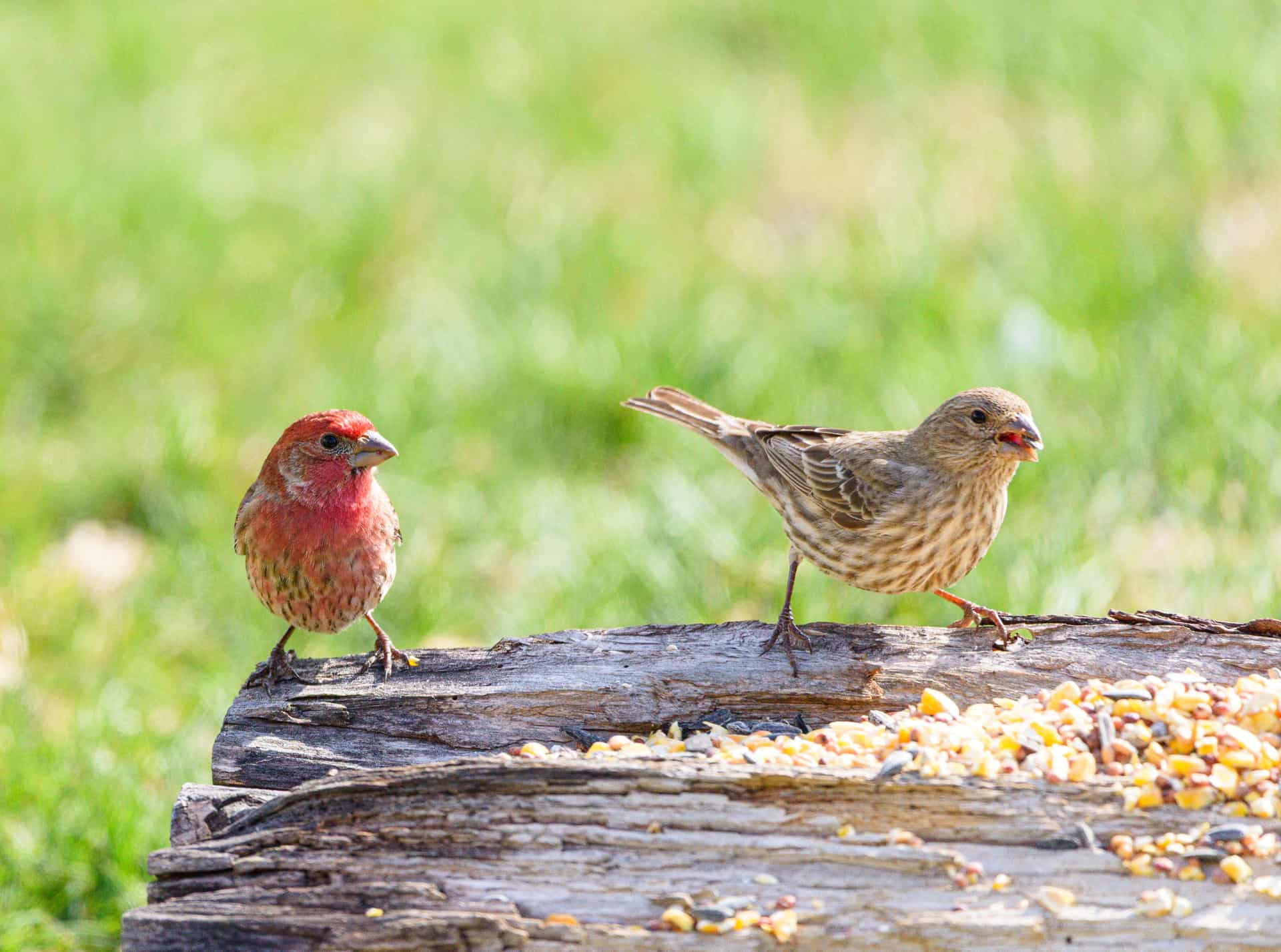
Buy a tray with a mesh base that drains and enough weight or bracing that it does not tip. Those two things are the whole specification. The Nature's Way cedar platform is the pick for a hanging or low-mounted tray; the Gray Bunny metal tray for true ground level.
Winter Perch is funded by affiliate commission. If you buy through a link on this page we may earn a commission at no extra cost to you, and it never decides a ranking. Full disclosure · how we pick.
Quick picks
Ranked, with the trade-off named. Tap a row for the full write-up; the price button goes straight to Amazon.
| # | Product | Best for | Price |
|---|---|---|---|
| 1 | Nature's Way CWF3 Cedar Platform Tray Feeder, 12 x 12 inA flat cedar tray with a screen bottom. Juncos, doves and cardinals feed from flat surfaces and largely ignore tubes. | Ground feeders that will not use a tube | Check price on Amazon |
| 2 | Gray Bunny Ground Bird Feeder Tray, 11 x 11 inA metal mesh tray on two curved bars that stop it tipping — the drainage and the anti-tip are the two things that separate a ground tray from a plate. | Juncos, doves and sparrows, at ground level | Check price on Amazon |
| 3 | DutchCrafters Poly Covered Platform Ground FeederThe only covered option here, in recycled poly with a removable tray — it answers the two complaints about ground feeders, snow and cleaning, and costs accordingly. | Ground feeding that survives snowfall | Check price on Amazon |
| 4 | MIXXIDEA Ground Bird Feeder TrayThe same metal-mesh idea at a lower price — drains properly, and that is most of what a ground tray has to do. | The cheapest way to add ground feeding | Check price on Amazon |
#ad how we are funded · no live price right now
The picks in full
Top pick Ground feeders that will not use a tube
Nature's Way CWF3 Cedar Platform Tray Feeder, 12 x 12 in
A flat cedar tray with a screen bottom. Juncos, doves and cardinals feed from flat surfaces and largely ignore tubes.
Specifications
- Size
- 12" x 12"
- Material
- Cedar with mesh base
- Drainage
- Screen bottom
- Mount
- Hang or set low
Trade-offs
- Reaches the third of your winter list that will not use a tube feeder
- The screen base drains meltwater instead of pooling it
- Takes seed, cracked corn, fruit and suet nuggets equally
- The easiest feeder on this site to clean properly
- An open tray, so snow lands directly in it
- No exclusion of anything — squirrels, starlings and deer all welcome
- Needs clearing after every snowfall
Who it is forYards with ground-feeding regulars, and anyone who has noticed the juncos never land on the tube.
Skip it ifSkip it if you cannot get out to clear it. A tray under six inches of snow is not a feeder, it is a bird-shaped disappointment.
#ad how we are funded · no live price right now
No. 2 Juncos, doves and sparrows, at ground level
Gray Bunny Ground Bird Feeder Tray, 11 x 11 in
A metal mesh tray on two curved bars that stop it tipping — the drainage and the anti-tip are the two things that separate a ground tray from a plate.
Specifications
- Size
- 11 x 11 in
- Base
- Mesh wire — drains
- Stability
- Two curved steel bars prevent tipping
- Material
- Metal, weather resistant
Trade-offs
- Mesh base drains meltwater rather than pooling it, which is the whole problem with ground feeding in winter
- The anti-tip bars matter more than they sound — a tray that flips in wind is seed on the ground
- Reaches juncos, doves and sparrows, roughly a third of a northern winter list
- Metal, so it survives being stood on and snowed on
- Ground level is where cats hunt — siting matters more than with any hanging feeder
- Fills with snow after every fall and needs clearing by hand
- No roof, no exclusion, no mechanism: everything eats from it
Who it is forYards with ground-feeding regulars and open sight lines away from stalking cover.
Skip it ifSkip it if you have cat traffic and nowhere open to put it. Seed at ground level in a stalking lane is a trap, not a feeder.
#ad how we are funded · no live price right now
No. 3 Ground feeding that survives snowfall
DutchCrafters Poly Covered Platform Ground Feeder
The only covered option here, in recycled poly with a removable tray — it answers the two complaints about ground feeders, snow and cleaning, and costs accordingly.
Specifications
- Type
- Covered platform, standing
- Material
- Plastic poly lumber
- Tray
- Removable seed tray
- Origin
- Amish made in USA
Trade-offs
- A roof over a ground feeder is genuinely rare and solves the snow problem outright
- The removable tray makes cleaning a two-second job instead of a chore you skip
- Poly lumber does not rot, crack or fade — it will outlast several wooden trays
- Standing rather than flat on the ground, which keeps it above shallow snow
- Several times the price of a bare metal tray
- The cover restricts access for the largest ground birds
- Bulky to store out of season
- Still ground level, so the cat caveat is unchanged
Who it is forSnowy yards where an open tray needs clearing every morning.
Skip it ifSkip it if you get little snow. In a mild winter you are paying a large premium for a roof that is not doing much.
#ad how we are funded · no live price right now
No. 4 The cheapest way to add ground feeding
MIXXIDEA Ground Bird Feeder Tray
The same metal-mesh idea at a lower price — drains properly, and that is most of what a ground tray has to do.
Specifications
- Base
- Mesh wire — drains, keeps seed dry
- Material
- Metal
- Targets
- Juncos, doves, sparrows, squirrels
Trade-offs
- Drains, which is the one non-negotiable feature of a ground tray
- Cheap enough to buy two and try both ends of the yard
- Nothing to break — it is a tray
- Lighter than the Gray Bunny, so more prone to shifting in wind
- No stated dimensions in the listing detail, so match it to your space carefully
- Same cat and snow caveats as any ground feeder
Who it is forAdding ground feeding cheaply, or running a second tray in a big yard.
Skip it ifSkip it in an exposed windy yard. A light tray with no anti-tip bars ends up upside down, and you will be picking seed out of the grass.
#ad how we are funded · no live price right now
Why you need one at all
Roughly a third of a northern winter feeder list will not use a hanging tube. Juncos, mourning doves, and most of the sparrows are ground feeders by habit — they work flat surfaces, and a tube feeder six feet up is simply not something they engage with.
People notice this without diagnosing it: there are always birds on the ground under the feeder, picking through what the tube-feeding birds knocked down. Those birds are not waiting their turn. They are feeding the way they always feed, on the spill, and a tray puts that food where it is clean and drained instead of in the mud. Winter backyard birds lists which species go where.
The two specifications that matter
1. Drainage — non-negotiable
A solid-bottomed tray is a bowl. In winter it collects meltwater and freezing rain, the seed sits in it, and within a week you have a frozen puddle with spoiled seed in the bottom. Damp seed cakes, molds, and mold at feeders is linked to fatal respiratory infection — this is a health specification, not a convenience one.
A mesh or screen base drains continuously and dries between falls. Every pick on this page has one, because a tray without drainage is not a feeder we would recommend at any price.
2. Stability, which sounds trivial until February
A light tray on open ground in wind ends up upside down, and a tray that tips has emptied a day's seed into the grass where it rots. Weight, a wide base, or bracing bars are what prevent it.
This is the difference between the two metal trays on this page — one has curved steel bars specifically to stop it flipping, and one is simply lighter and cheaper. In a sheltered yard that difference does not matter. In an exposed one it is the whole purchase.
Ground level or raised?
| True ground level | Raised or hanging platform | |
|---|---|---|
| Reaches | Juncos, doves, sparrows, towhees | The above, plus cardinals and jays |
| Snow | Buried by any real fall | Stays above shallow snow |
| Cats | The main concern | Much reduced |
| Cleaning | Easiest — lift and tip | Easy if the tray lifts out |
| Squirrels | No obstacle whatsoever | No obstacle whatsoever |
Neither excludes anything. A platform feeder is an open surface with food on it, and that is the trade you are making for reaching the ground feeders.
The cat problem, stated plainly
Ground-level feeding puts birds at the height cats hunt, with their attention on the food. If you have cat traffic in the neighborhood, this is the single most important siting decision on the page.
The fix is sight lines, not distance: put a ground tray in the open, with no dense cover within a few feet that a cat can wait in. That is the opposite of the usual advice to site feeders near cover, and the reason is that a bird on a hanging feeder can leave upward instantly while a bird on the ground cannot.
Snow, and the honest maintenance cost
An open tray is a snow collector. After a fall it is a block of snow with seed somewhere underneath, and the meltwater soaks whatever survives. This is not a defect in any particular product — it is what an open horizontal surface does in winter.
So a ground tray carries more maintenance than any other feeder on this site: brush it out after every snowfall, and expect to do it in the morning when you would rather not. The covered platform on this page is the one design that meaningfully reduces that, which is what you are paying the premium for. Keeping feeders clear covers the routine.
What to put in it
- Black oil sunflower, same as everything else. Why the thin shell matters.
- Cracked corn in small amounts for doves and juncos. Small amounts, because it also draws deer and rodents.
- White millet, which is genuinely eaten at ground level even though it is filler in a tube feeder.
- Mealworms in a dish on the tray if you are feeding bluebirds or wrens. The mealworm guide.
- Not more than a day's worth. An open tray has no protection from weather, so little and often beats filling it.
What we would skip
What we would skip
Any tray with a solid bottom
It is a bowl. It collects meltwater, the seed sits in it and molds, and mold at feeders is a genuine health risk rather than an inconvenience. Drainage is the one non-negotiable feature here.
A light unbraced tray in an exposed yard
Wind flips it and a day's seed ends up in the grass. Weight, a wide base or bracing bars are what separate a tray that stays put from one you keep picking up.
A ground tray in a cat traffic lane
Ground feeding puts birds at the height cats hunt with their attention on the food. Site it in the open with clear sight lines, or raise the feeding surface.
Filling a tray to the brim
An open tray has no weather protection, so a full one is a full one getting rained on. Little and often is the only way to run this feeder without wasting seed.
Where it fits in the station
A tray is the third feeder in a complete setup, after a high-capacity seed feeder and a suet cage. The feeding station guide puts all three together with water and shelter.
Questions people actually ask
- Do I need a ground feeder?
- If you have juncos, doves or sparrows, yes — roughly a third of a northern winter list feeds off flat surfaces and largely ignores hanging tubes. The birds picking through spill under your feeder are telling you this already.
- What is the most important feature on a platform feeder?
- Drainage. A solid-bottomed tray collects meltwater, the seed sits in it and molds, and mold at feeders is linked to fatal respiratory infection. A mesh base is non-negotiable.
- Are ground feeders dangerous because of cats?
- They can be, and it is the main siting concern. Put a ground tray in the open with no dense cover within a few feet — the opposite of the usual near-cover advice, because a bird on the ground cannot leave upward instantly.
- How do I stop a ground feeder filling with snow?
- Brush it out after every fall, or buy a covered platform. An open horizontal surface collects snow — that is not a product defect, it is the trade you make for reaching ground feeders.
- What seed goes in a platform feeder?
- Black oil sunflower as the base, plus white millet and small amounts of cracked corn, which ground feeders eat and tube-feeding birds ignore. Put out about a day's worth at a time.
Sources
Read next
- The Best Bird Feeders for Winter
Seed feeders ranked on capacity, roofing and drainage — the specs that decide how often you go out in bad weather.
- How to Set Up a Winter Bird Feeding Station
The complete winter station: feeders, water and cover, with the distances and the order to build it in.
- Winter Backyard Birds: Who Shows Up, and What Brings Them
The regular winter feeder cast, what each species eats, and the specific feeder or food that brings each one in.
- Keeping Feeders Clear of Snow and Ice
Iced ports, caked seed and feeder mold — the winter maintenance routine, and the hardware that reduces it.