Cold-weather care / Roundup
The Best Roosting Boxes for Winter
Ranked on wall thickness, because that is the product. A roost box is insulation with a hole in it, and most boxes sold as roosts are decorative.
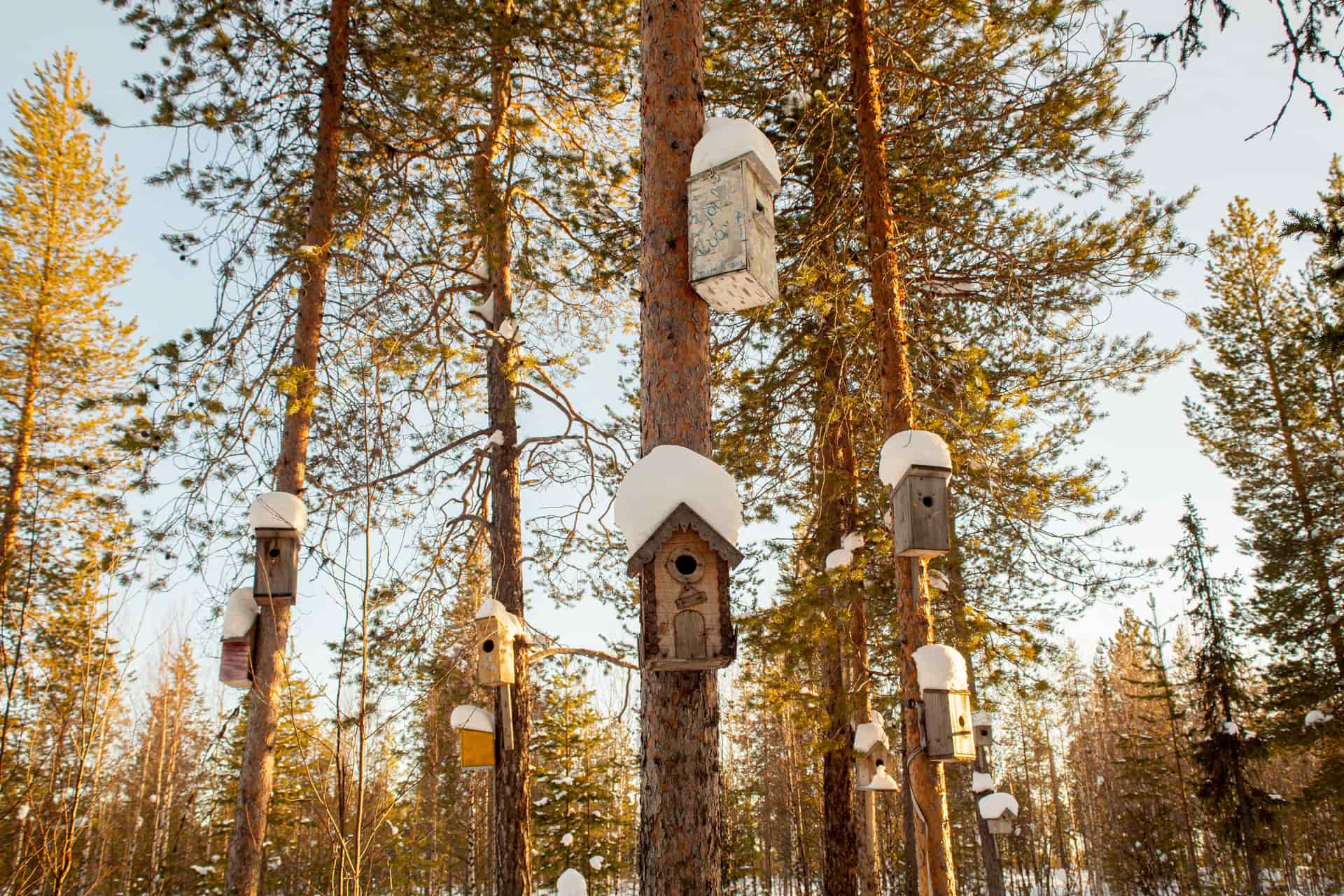
The Coveside Small Winter Roost is the pick, on one specification: inch-thick Eastern white pine. A roost box is insulation with a hole in it, and inch-thick pine genuinely insulates where the half-inch cedar of a decorative box barely does. It also has the low entrance and internal perches that separate a roost from a nest box.
Winter Perch is funded by affiliate commission. If you buy through a link on this page we may earn a commission at no extra cost to you, and it never decides a ranking. Full disclosure · how we pick.
Quick picks
Ranked, with the trade-off named. Tap a row for the full write-up; the price button goes straight to Amazon.
| # | Product | Best for | Price |
|---|---|---|---|
| 1 | 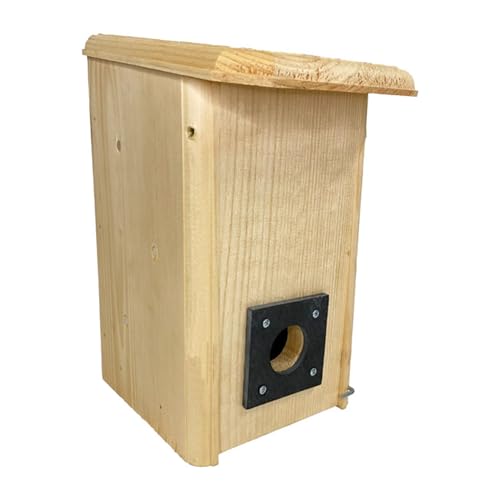 Coveside Small Winter RoostInch-thick Eastern white pine, internal perches and a slate predator guard. Insulation, not decoration — and 1" pine genuinely insulates where half-inch cedar does not. | The default winter roost box | $75.99 · See it on Amazon |
| 2 |  Coveside Convertible Winter RoostThe Small Winter Roost with a reversible front: low entrance and perches for winter, conventional nest-box opening for spring. | One box that works in both seasons | Check price on Amazon |
| 3 |  Coveside 10098 Horizontal Winter RoostThe same insulated pine construction laid on its side — for a wall, a shed end, or a trunk where a vertical box has nowhere to go. | Wall and trunk mounting where a tall box will not fit | Check price on Amazon |
| 4 | 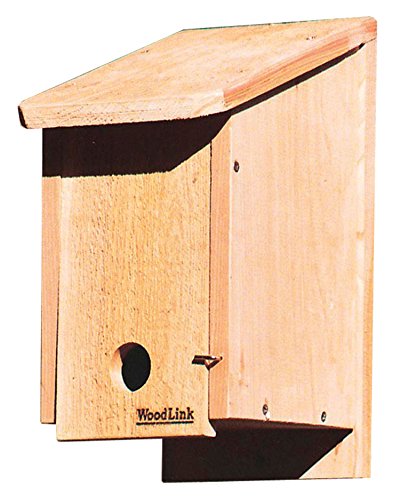 Woodlink Cedar Winter Roosting / Shelter BoxCedar rather than inch-thick pine, so less insulation for less money — the sensible experiment before committing to a Coveside. | A cheaper way to find out whether your yard will use a roost box | Check price on Amazon |
#ad how we are funded · price as of October 15, 2026
The picks in full
Top pick The default winter roost box
Coveside Small Winter Roost
Inch-thick Eastern white pine, internal perches and a slate predator guard. Insulation, not decoration — and 1" pine genuinely insulates where half-inch cedar does not.
Specifications
- Wall thickness
- 1" Eastern white pine
- Entrance
- Low, with slate predator guard
- Interior
- Staggered internal perches
- Origin
- Made in Maine, USA
Trade-offs
- Inch-thick pine is the insulation spec that matters; most "roosting boxes" are half that
- The low entrance keeps rising warm air inside instead of venting it out the top
- Internal perches let several birds stack rather than pile on the floor
- The slate guard stops a raccoon reaching in
- Small — it is a chickadee-and-wren box, not a starling hotel
- Roost boxes are a slow sell to birds; occupancy can take a season or two
- Made-in-USA pine prices accordingly
Who it is forAnyone who has the feeders and the water sorted and wants to add shelter.
Skip it ifSkip it if you expect immediate results. Roost boxes are found by accident in a storm, and an empty box in year one is normal, not a fault.
#ad how we are funded · price as of October 15, 2026
No. 2 One box that works in both seasons
Coveside Convertible Winter Roost
The Small Winter Roost with a reversible front: low entrance and perches for winter, conventional nest-box opening for spring.
Specifications
- Wall thickness
- 1" Eastern White Pine
- Front
- Flips to convert roost to nest box
- Dimensions
- As Coveside Small Winter Roost
- Origin
- Hand-built in Maine, USA
Trade-offs
- Solves the roost-vs-nest problem with one purchase and a screwdriver
- Same insulating 1-inch pine as the fixed roost
- Stays useful in April instead of coming down
- You have to remember to flip it, twice a year
- A convertible front is one more joint for weather to get into
- Costs more than the fixed roost
Who it is forA yard with one good mounting spot and a use for it in both seasons.
Skip it ifSkip it if you already run nest boxes. Buy the fixed winter roost and leave the nest boxes alone; birds do not appreciate a box whose geometry changes.
#ad how we are funded · price as of October 15, 2026
No. 3 Wall and trunk mounting where a tall box will not fit
Coveside 10098 Horizontal Winter Roost
The same insulated pine construction laid on its side — for a wall, a shed end, or a trunk where a vertical box has nowhere to go.
Specifications
- Wall thickness
- 1" pine
- Orientation
- Horizontal
- Entrance
- Slate predator guard
- Occupants
- Chickadees, wrens, nuthatches, titmice
Trade-offs
- Fits mounting spots a vertical box cannot use
- Same insulation and predator guard as the vertical roosts
- Lower profile catches less wind
- Horizontal geometry loses some of the warm-air-trapping benefit of a tall box
- Harder to clean out than a top-opening vertical box
Who it is forWalls, sheds and trunk faces with limited vertical clearance.
Skip it ifSkip it if you have a normal post or trunk to work with. The vertical roost holds heat better, and that is the entire reason the box exists.
#ad how we are funded · price as of October 15, 2026
No. 4 A cheaper way to find out whether your yard will use a roost box
Woodlink Cedar Winter Roosting / Shelter Box
Cedar rather than inch-thick pine, so less insulation for less money — the sensible experiment before committing to a Coveside.
Specifications
- Material
- Cedar
- Type
- Winter roosting / shelter box
- Entrance
- Low entry, roosting configuration
Trade-offs
- Real roosting geometry — low entrance, internal perches — at a lower price
- Cedar is rot-resistant and needs no treatment
- Cheap enough to hang two and see which site birds prefer
- Cedar boards are thinner than 1-inch pine, so it insulates less well
- Thin walls matter most on exactly the nights the box matters most
Who it is forA first roost box, or a second site to test placement.
Skip it ifSkip it if your winters are severe. In a deep-cold climate the wall thickness is the product, and that is where the Coveside earns its price.
#ad how we are funded · price as of October 15, 2026
Where these specs came from
What a roost box actually is
A small bird's survival problem in winter is overnight heat loss. Audubon's account of how birds cope with cold sets out the mechanisms: increased insulation, fluffed feathers trapping hundreds of pockets of air, and shivering to generate heat from fat banked during the day. All three work better out of the wind.
A roost box is a windproof, insulated cavity built to make that arithmetic easier. It differs from a nest box in four specific ways, and every one of them is deliberate:
| Feature | Roost box | Nest box | Why |
|---|---|---|---|
| Wall thickness | Thick — 1" pine | Thin — often 1/2" | Insulation is the whole point in winter |
| Entrance | Low, near the floor | High, near the roof | Warm air rises; a low hole keeps it inside |
| Interior | Staggered perches | Bare, for a nest | Birds stack rather than pile on the floor |
| Ventilation and drainage | Minimal by design | Deliberate | You want the heat in, not out |
This is why a nest box is a poor winter roost rather than a free one. The full comparison.
Why wall thickness is the ranking
Everything else in this category is roughly equivalent. Boxes are made of wood, they have a hole, they hang on a tree. What varies materially is how much heat the walls lose overnight, and that is a function of thickness and material.
Inch-thick Eastern white pine is roughly twice the material of a typical half-inch cedar box, and pine is a decent insulator. Coveside builds to that spec and says so; most makers do not state a thickness at all, which is usually a sign it is not a selling point.
This matters most on exactly the nights the box matters most. On a mild night any box helps; at minus fifteen with a wind, the difference between an inch and a half-inch of wood is the difference between a shelter and a slightly less windy box.
Set your expectations honestly
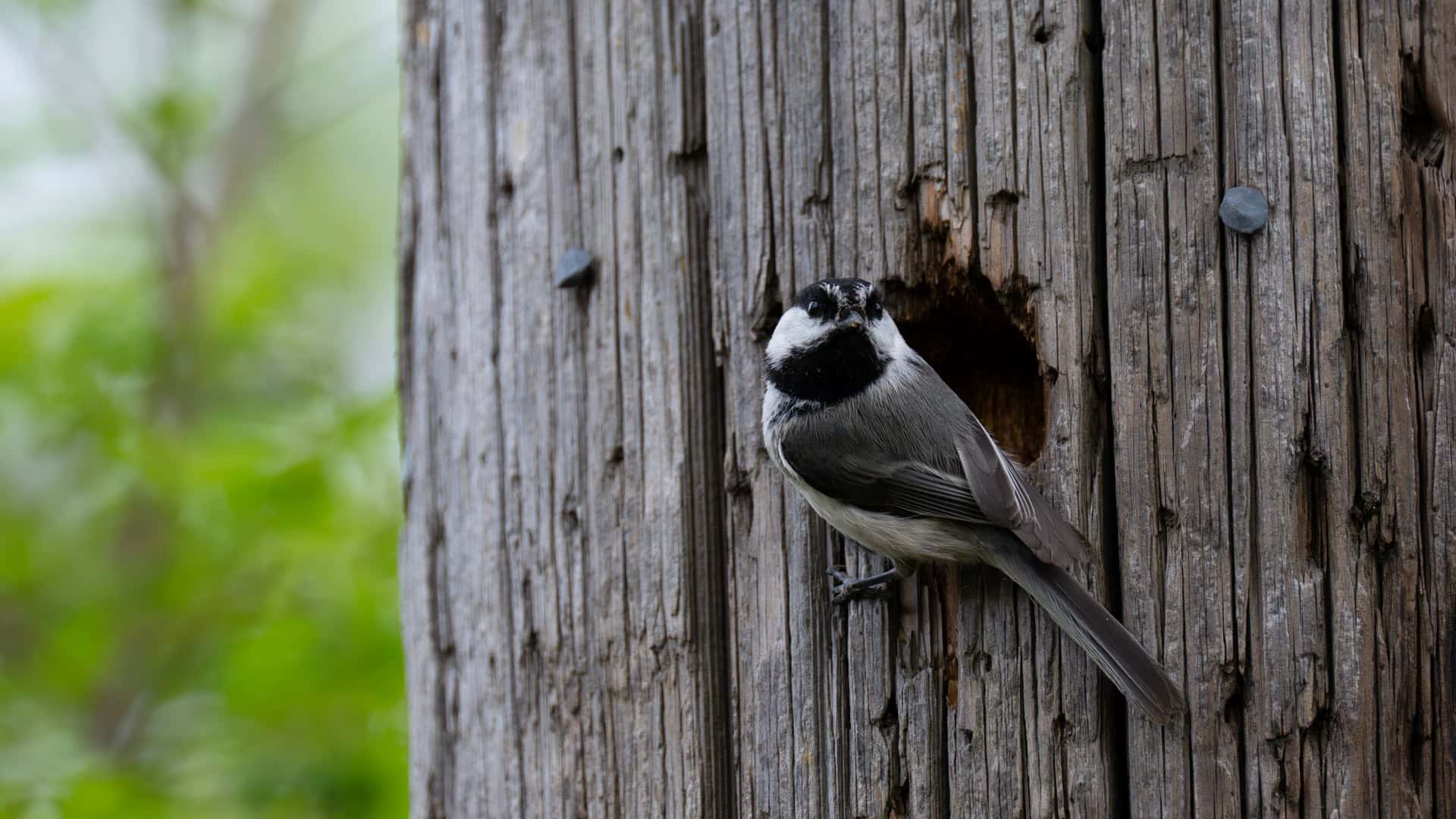
A roost box is not a feeder. It does not produce a visible result within days, and an empty box through the first winter is normal rather than a fault.
Birds find roost boxes largely by accident, and usually during weather bad enough to make them investigate anything. Once a box is used it tends to keep being used, and in cold weather several birds may pack into one — which is what the internal perches are for. But that first discovery can take a season or two, and anyone telling you otherwise is selling something.
Siting
- Face away from the prevailing wind. In most of the northern US that means facing south or east.
- Eight to twelve feet up, on a trunk, post or wall.
- Somewhere sheltered — inside a hedge line, against a wall, under an overhang. The box does not have to do all the work itself.
- Up in autumn, before the first hard weather, so it has weathered in and been noticed before it is needed.
- Not next to a feeder. A roost is a place to be undisturbed; feeder traffic is the opposite of that.
Maintenance
Clean it out in late summer or early autumn, before the roosting season. Roost boxes accumulate droppings, and parasites overwinter in the debris. A box with a hinged side or a removable panel is worth choosing for this reason alone.
The free alternative that often works better
A brush pile. Stack your autumn prunings loosely in a corner and you have created dense, windproof, predator-resistant cover at zero cost. Dense evergreens do the same job. In many yards this is a more effective shelter investment than a box, and the two are complementary rather than competing.
The winter yard checklist covers the free side of this properly, and roosting box plans covers building rather than buying.
What we would skip
What we would skip
Any decorative birdhouse sold as a winter roost
Thin walls, a high entrance and ventilation holes — three features that are correct for a nest box in June and wrong for a roost in January. If a listing does not state a wall thickness, assume it is thin.
A roost box hung next to a busy feeder
A roost is a place to be undisturbed overnight. Feeder traffic, and the predators feeder traffic attracts, is the opposite of what makes a box attractive.
Buying one in December and expecting occupancy in January
Boxes get found by accident during bad weather. Put it up in autumn, accept that the first winter may be empty, and do not conclude the box is faulty.
How we picked
- Wall thickness and material, from the maker's own listing — the specification that decides whether the box insulates.
- Entrance position, low being correct for a roost.
- Internal perches, which let several birds stack rather than crowd the floor.
- Predator protection, such as a slate guard at the entrance.
- Cleanability, since a roost box needs emptying annually.
- Live price and availability, refreshed daily.
We have not tested any of these. What we did instead: read the manufacturers’ own listings, compiled the published specifications, computed the running cost at a cited electricity rate, and refreshed the prices daily. The full method is published.
Shelter is the third leg of a winter setup, after food and water. A bird that has fed well and drunk still has to survive the night, and that is the part most yards never address.
Questions people actually ask
- What is the best roosting box for winter?
- One built from inch-thick pine with a low entrance and internal perches. Wall thickness is the specification that matters, and most boxes sold as roosts are half that.
- Do birds actually use roosting boxes?
- Yes, but not immediately. They are found by accident, usually during bad weather, and an empty box through the first winter is normal. Once found, they tend to be used repeatedly.
- Where should I put a roosting box?
- Eight to twelve feet up, facing away from the prevailing wind, somewhere sheltered, and away from feeder traffic. Put it up in autumn so it has weathered in before it is needed.
- Can I use a nest box as a winter roost?
- It is better than nothing and worse than a roost box. Nest boxes have thin walls, a high entrance and deliberate ventilation — all correct in June and wrong in January.
- Do I need to clean a roost box?
- Yes, in late summer or early autumn before the roosting season. Droppings accumulate and parasites overwinter in the debris.
Sources
Read next
- Roost Box vs Nest Box: Four Differences That Matter
Four design differences between roost and nest boxes, why each one exists, and whether to buy one of each or a convertible.
- How Birds Survive Winter
The four mechanisms small birds use to survive a freezing night, what breaks them, and what a yard can actually contribute.
- Winter Roosting Box Plans
Build a roost box from one board — the dimensions, the four decisions that matter, and the mistakes that turn it into a nest box.
- What to Feed Birds in Winter
The winter list ordered by fat content, what each food reaches, and the two purchases that cover almost everything.