Winter feeding / Roundup
The Best Nyjer Seed and Finch Feeders
Goldfinches, siskins and redpolls and almost nothing else. A narrow, expensive category that either works brilliantly in your yard or not at all — here is how to find out cheaply.
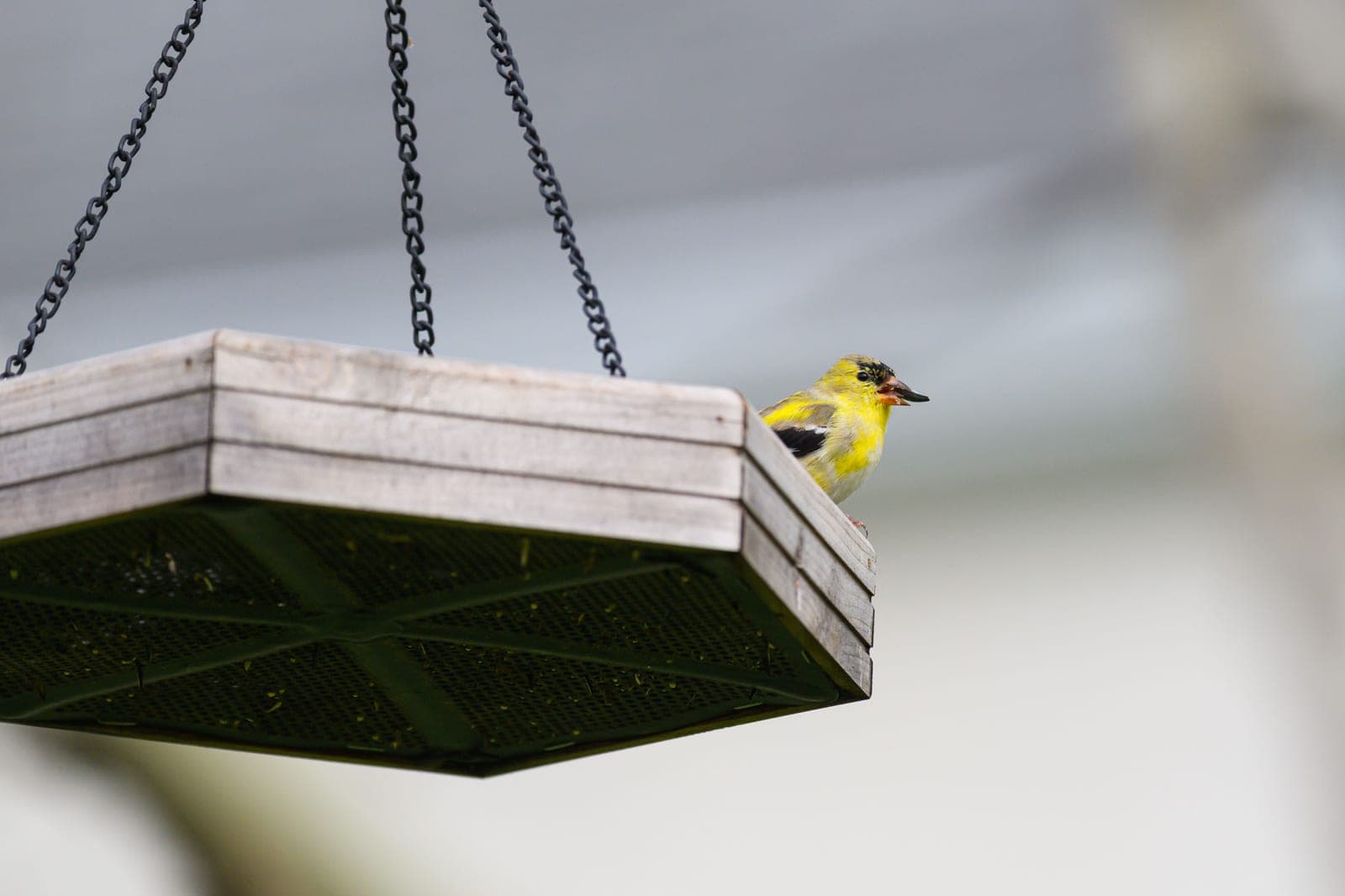
Start with a mesh sock and a 3 lb bag — together they cost very little and tell you within two weeks whether finches will come. If they do, move up to a tube. Buy fresh nyjer and keep it sealed: stale nyjer is the reason most people conclude their finches are not interested, and it is nearly always the seed rather than the feeder.
Winter Perch is funded by affiliate commission. If you buy through a link on this page we may earn a commission at no extra cost to you, and it never decides a ranking. Full disclosure · how we pick.
Quick picks
Ranked, with the trade-off named. Tap a row for the full write-up; the price button goes straight to Amazon.
| # | Product | Best for | Price |
|---|---|---|---|
| 1 | 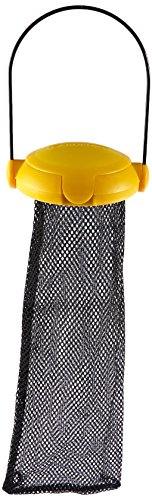 Gardman BA04820A Flip-Top Thistle Mesh FeederA mesh sock with a flip top. Finches cling to mesh naturally, it costs almost nothing, and it is the correct first purchase in this category. | The cheapest way to test nyjer | $12.63 · See it on Amazon |
| 2 |  Woodlink NATUBE20NB Audubon Tails-Up Nyjer Finch FeederPorts below the perches, so a bird has to feed upside down. Goldfinches do that without thinking; house sparrows largely will not. The most elegant exclusion on the site. | Excluding everything except finches | $24.80 · See it on Amazon |
| 3 |  Wagner's 62050 Nyjer Seed, 10 lbTen pounds of straight nyjer from the brand this site already buys sunflower from. Nyjer is expensive per pound whoever sells it; this is the size that makes it bearable. | Nyjer at a sensible price per pound | $29.98 · See it on Amazon |
| 4 |  Nature's Way Large Thistle Tube FeederA large-capacity thistle tube with no cleverness attached. When finches are the whole point and sparrows are not a problem, this is what to buy. | The straightforward nyjer tube | $20.99 · See it on Amazon |
| 5 |  Kaytee Nyjer Thistle Seed, 3 lbThree pounds is the right first purchase in this category, because nyjer only works if the birds are already in your area and a big bag is a gamble on that. | Finding out whether you have finches | $10.99 · See it on Amazon |
| 6 |  Songbird Essentials Finches Favorite 3-Tube Thistle FeederThree tubes side by side. Goldfinches arrive in numbers and squabble over ports, and this is the answer to that specific problem rather than a general-purpose feeder. | A flock, not a pair | $59.27 · See it on Amazon |
#ad how we are funded · price as of September 13, 2026
The picks in full
Top pick The cheapest way to test nyjer
Gardman BA04820A Flip-Top Thistle Mesh Feeder
A mesh sock with a flip top. Finches cling to mesh naturally, it costs almost nothing, and it is the correct first purchase in this category.
Specifications
- Type
- Mesh sock
- Size
- 4 in wide x 12 in high
- Model
- BA04820A
Trade-offs
- Costs a fraction of any nyjer tube, which makes testing the idea nearly free
- Finches cling to mesh readily — often faster than they take to a tube
- Nothing to jam, freeze or dismantle
- Flip top makes refilling less of a spilling exercise than a plain sock
- Mesh wears, and this is a one-or-two-season item rather than a purchase
- Wet nyjer in a mesh sock clumps and has to be thrown away
- No roof, so rain and snow reach the seed directly
- Squirrels will chew through mesh if they take an interest
Who it is forAnyone who wants to know whether finches will come before spending on a tube.
Skip it ifSkip it if your winter is wet rather than cold. Mesh and persistent rain ruin nyjer faster than birds eat it.
#ad how we are funded · price as of September 13, 2026
No. 2 Excluding everything except finches
Woodlink NATUBE20NB Audubon Tails-Up Nyjer Finch Feeder
Ports below the perches, so a bird has to feed upside down. Goldfinches do that without thinking; house sparrows largely will not. The most elegant exclusion on the site.
Specifications
- Design
- Tails-up, ports below perches
- Seed
- Nyjer / thistle
- Model
- NATUBE20NB
Trade-offs
- Excludes house sparrows by behavior rather than by mechanism — nothing to jam or freeze
- Goldfinches, siskins and redpolls take to it immediately
- Woodlink build, and the Audubon line is properly made
- No moving parts at all, which in winter is worth a great deal
- A narrow product: nyjer only, finches only
- Nyjer ports clog when seed absorbs damp, and this design hides the clog from view
- Costs more than a mesh sock that does nearly the same job
- Some birds take weeks to work out the upside-down feeding position
Who it is forA yard with finches and a house-sparrow problem.
Skip it ifSkip it if house sparrows are not an issue. A plain thistle tube costs less and feeds the same finches faster.
#ad how we are funded · price as of September 13, 2026
No. 3 Nyjer at a sensible price per pound
Wagner's 62050 Nyjer Seed, 10 lb
Ten pounds of straight nyjer from the brand this site already buys sunflower from. Nyjer is expensive per pound whoever sells it; this is the size that makes it bearable.
Specifications
- Size
- 10 lb
- Contents
- Straight nyjer, not a blend
- Model
- 62050
Trade-offs
- Straight nyjer rather than a finch blend padded with cheaper seed
- 10 lb is the size where the price per pound stops being punishing
- Wagner's is consistent, and consistency matters more with nyjer than with any other seed
- Nyjer is the most expensive common seed per pound, and nothing changes that
- It goes stale and oily faster than sunflower — 10 lb is a lot if you run one small feeder
- Feeds goldfinches, siskins and redpolls and almost nothing else
- Needs a sealed container; nyjer that dries out is nyjer finches ignore
Who it is forA yard that already has finches coming, running a dedicated nyjer feeder.
Skip it ifSkip it if you have not yet confirmed finches visit. Buy the 3 lb bag, find out, and scale up only if it empties.
#ad how we are funded · price as of September 13, 2026
No. 4 The straightforward nyjer tube
Nature's Way Large Thistle Tube Feeder
A large-capacity thistle tube with no cleverness attached. When finches are the whole point and sparrows are not a problem, this is what to buy.
Specifications
- Type
- Thistle tube
- Capacity
- Large
- Seed
- Nyjer / thistle
Trade-offs
- Larger capacity than most nyjer feeders, so refills are less frequent
- Conventional upright ports, which every finch uses without learning anything
- Comes apart for the cleaning nyjer feeders genuinely need
- No exclusion at all — house sparrows will use it happily
- Plastic body, which scratches and eventually goes brittle in UV
- A large nyjer capacity is a liability if traffic is slow, because the seed goes stale
Who it is forA finch feeder in a yard without a sparrow problem.
Skip it ifSkip it if house sparrows dominate your feeders — buy the tails-up design instead and exclude them for free.
#ad how we are funded · price as of September 13, 2026
No. 5 Finding out whether you have finches
Kaytee Nyjer Thistle Seed, 3 lb
Three pounds is the right first purchase in this category, because nyjer only works if the birds are already in your area and a big bag is a gamble on that.
Specifications
- Size
- 3 lb
- Contents
- Straight nyjer
Trade-offs
- The correct trial size — enough to fill a feeder several times, cheap enough to waste
- Small bag means it is used before it goes stale
- Widely stocked, so a repeat purchase is easy
- Costs considerably more per pound than the 10 lb bag
- Empties fast once a finch flock commits to it
- Same narrow species appeal as any nyjer
Who it is forA first nyjer purchase, before committing to a large bag.
Skip it ifSkip it if goldfinches already empty a feeder weekly. You are paying a premium per pound for a bag that lasts days.
#ad how we are funded · price as of September 13, 2026
Where these specs came from
No. 6 A flock, not a pair
Songbird Essentials Finches Favorite 3-Tube Thistle Feeder
Three tubes side by side. Goldfinches arrive in numbers and squabble over ports, and this is the answer to that specific problem rather than a general-purpose feeder.
Specifications
- Type
- Triple thistle tube
- Seed
- Nyjer / thistle
Trade-offs
- Three tubes means far more simultaneous feeding positions, which matters with flocking finches
- Fewer disputes at the ports means birds feed for longer and leave less
- Songbird Essentials build quality is a step up from the mass-market tubes
- By far the most expensive nyjer feeder here
- Three tubes hold a lot of an expensive seed that goes stale
- Three times the cleaning, and nyjer feeders need cleaning often
- Pointless unless you genuinely have a flock
Who it is forA yard where goldfinches or siskins arrive in double figures.
Skip it ifSkip it if you see two or three finches at a time. One tube will not even empty, and the seed will go stale before it does.
#ad how we are funded · price as of September 13, 2026
Start small, because this category fails often
Nyjer is unlike every other seed on this site. Black oil sunflower is eaten by nearly everything; suet reaches the clinging birds; peanuts pull in jays and woodpeckers. Nyjer feeds goldfinches, pine siskins and redpolls, and very little else.
So the whole category is a bet on which birds are already in your neighborhood. If goldfinches are around, a nyjer feeder is one of the most rewarding things in a winter yard — they arrive in numbers and stay for long periods. If they are not, you have bought the most expensive seed per pound on the market and it will sit and go stale.
The freshness problem
This is the single most useful thing on the page, and almost nobody selling nyjer mentions it.
Nyjer is a small, oil-rich seed, and it is imported and heat-sterilized before sale (to stop it germinating — it is not a thistle, despite the common name, but it is treated as an invasive risk). Those oils go rancid, and the seed dries out. Once it does, finches simply will not eat it, and the feeder sits full while the owner concludes the birds do not want it.
- Squeeze a few seeds. Fresh nyjer is slightly oily and will leave a faint mark on paper. Dry, dusty seed that crumbles is past it.
- Look at the color. Fresh nyjer is deep black. Grayish, faded seed has been sitting.
- Buy the size you will actually use in a season, not the biggest bag on the shelf.
- Store it sealed and cool, not in the bag it came in, and not in a shed that bakes in autumn sun.
- Empty and refill rather than topping up. Old seed at the bottom of a tube is what clogs the ports.
The four formats
| Format | Strength | Weakness |
|---|---|---|
| Mesh sock | Cheapest by far; finches cling to it naturally | Wears out in a season; no weather protection |
| Thistle tube | Capacity, durability, comes apart to clean | House sparrows use it freely |
| Tails-up tube | Ports below perches excludes house sparrows | Narrow use; some birds take weeks to learn it |
| Multi-tube | Many feeding positions for a flock | Expensive; a lot of costly seed sitting out |
The tails-up design is the most interesting thing in this category: it excludes a pest species by behavior rather than by mechanism, so there is nothing to jam or freeze.
How we judged these
How we picked
- Freshness handling first, because stale nyjer explains most of the failures in this category.
- Whether the feeder comes apart, since nyjer clumps and ports clog from the inside.
- Port design against house sparrows, where the tails-up geometry excludes them without a mechanism.
- Capacity matched to realistic traffic, because a large volume of an expensive seed sitting out is waste.
- Weather protection, since damp nyjer clumps faster than any other seed here.
- Live price and availability, refreshed daily.
We have not tested any of these. What we did instead: read the manufacturers’ own listings, compiled the published specifications, computed the running cost at a cited electricity rate, and refreshed the prices daily. The full method is published.
Winter changes the math
Two things are different about running nyjer in winter, and both argue for a smaller feeder rather than a bigger one.
Damp. Nyjer absorbs moisture readily and then clumps, and clumped nyjer blocks small ports from the inside where you cannot see it. A feeder that looks full and gets no traffic is usually clogged rather than ignored. Empty it completely every few weeks rather than topping it up.
Irruptions. In some winters the northern seed crop fails and pine siskins, redpolls and evening grosbeaks move far south of their usual range, sometimes in large numbers. Those are the winters a nyjer feeder earns its keep, and they are genuinely unpredictable — winter backyard birds covers what an irruption looks like. Keeping a modest feeder stocked is the way to be ready without betting on it.
Nyjer against the alternatives
Honestly: nyjer is a specialist, and it is the fourth thing to buy rather than the first. Fat beats it comfortably on pure winter energy value, and black oil sunflower reaches many times more species per dollar. Buy nyjer when the basics are already running and you specifically want finches — not as a way to start a feeding station.
One genuine alternative worth knowing: sunflower hearts are taken by goldfinches happily and by almost everything else as well. If you want finches but not a second dedicated feeder, hearts in a normal tube do much of the job at a lower cost per pound.
What we would skip
What we would skip
A 10 lb bag as your first nyjer purchase
If finches are not already in your neighborhood, most of it will go stale before it is eaten. Buy 3 lb and a mesh sock, find out in two weeks, and scale up only once something empties.
Nyjer that is dusty, gray or crumbles when squeezed
Stale, dried-out seed is the single commonest reason finches ignore a feeder. Fresh nyjer is deep black and faintly oily. This is a seed where age matters more than brand.
Topping up rather than emptying
Old nyjer settles at the bottom, absorbs damp and clumps, and blocks the ports from inside. A feeder that looks full and gets no visitors is usually clogged, not unpopular.
A finch blend instead of straight nyjer
Blends pad an expensive seed with cheaper filler that finches kick to the ground. Buy straight nyjer, or buy sunflower hearts, but do not pay nyjer prices for millet.
A multi-tube feeder before you have a flock
Three tubes of the most expensive seed on the market, going stale at three times the rate, to feed the two goldfinches you actually have. Scale the feeder to the traffic.
Nyjer as your first feeding purchase
It is the narrowest food on this site. Suet and black oil sunflower reach far more species per dollar in cold weather. Nyjer is what you add once those are running.
Where this fits
Nyjer sits fourth in the winter feeding order, behind suet, sunflower and peanuts. The seed roundup covers it alongside safflower and the blends, and the feeding station guide covers where a finch feeder should hang relative to everything else.
Questions people actually ask
- What is the best feeder for nyjer seed?
- A mesh sock to start, because finches cling to mesh readily and it costs very little. Move up to a thistle tube once you know finches are coming, or a tails-up tube if house sparrows are a problem.
- Why are finches not eating my nyjer?
- Almost always stale seed or clogged ports. Fresh nyjer is deep black and faintly oily; gray, dusty seed that crumbles is past it. Empty the feeder completely rather than topping it up.
- What birds eat nyjer seed?
- Goldfinches, pine siskins and common redpolls, and very little else. That narrowness is the whole trade in this category — it is rewarding where those birds occur and pointless where they do not.
- Is nyjer the same as thistle?
- No. Nyjer is an African oilseed sold under the name thistle. It is heat-treated before sale so it cannot germinate, which is why it does not seed weeds into a lawn.
- How long does nyjer seed last?
- Less than most seed, because its oils go rancid and it dries out. Buy the amount you will use in a season, keep it sealed and cool, and check freshness by squeezing a few seeds before refilling.
- Is nyjer worth the price?
- Only if goldfinches or siskins are already around. Per dollar, suet and black oil sunflower reach far more species in winter. Nyjer is a fourth purchase, not a first one.
Sources
Read next
- The Best Bird Seed for Winter
Five winter seeds ranked on usable fat, shell thickness and species reach — plus the cheap mix that is worth avoiding.
- Black Oil Sunflower Seed: Why It Is the Default
Black oil against striped and hulled sunflower, why the thin shell decides it, and which bag size is genuinely cheapest.
- What to Feed Birds in Winter
The winter list ordered by fat content, what each food reaches, and the two purchases that cover almost everything.
- Winter Backyard Birds: Who Shows Up, and What Brings Them
The regular winter feeder cast, what each species eats, and the specific feeder or food that brings each one in.