Winter food / Comparison
Black Oil Sunflower Seed: Why It Is the Default
One seed does most of the work in a winter yard. The reason is not the oil content everyone quotes — it is the shell.
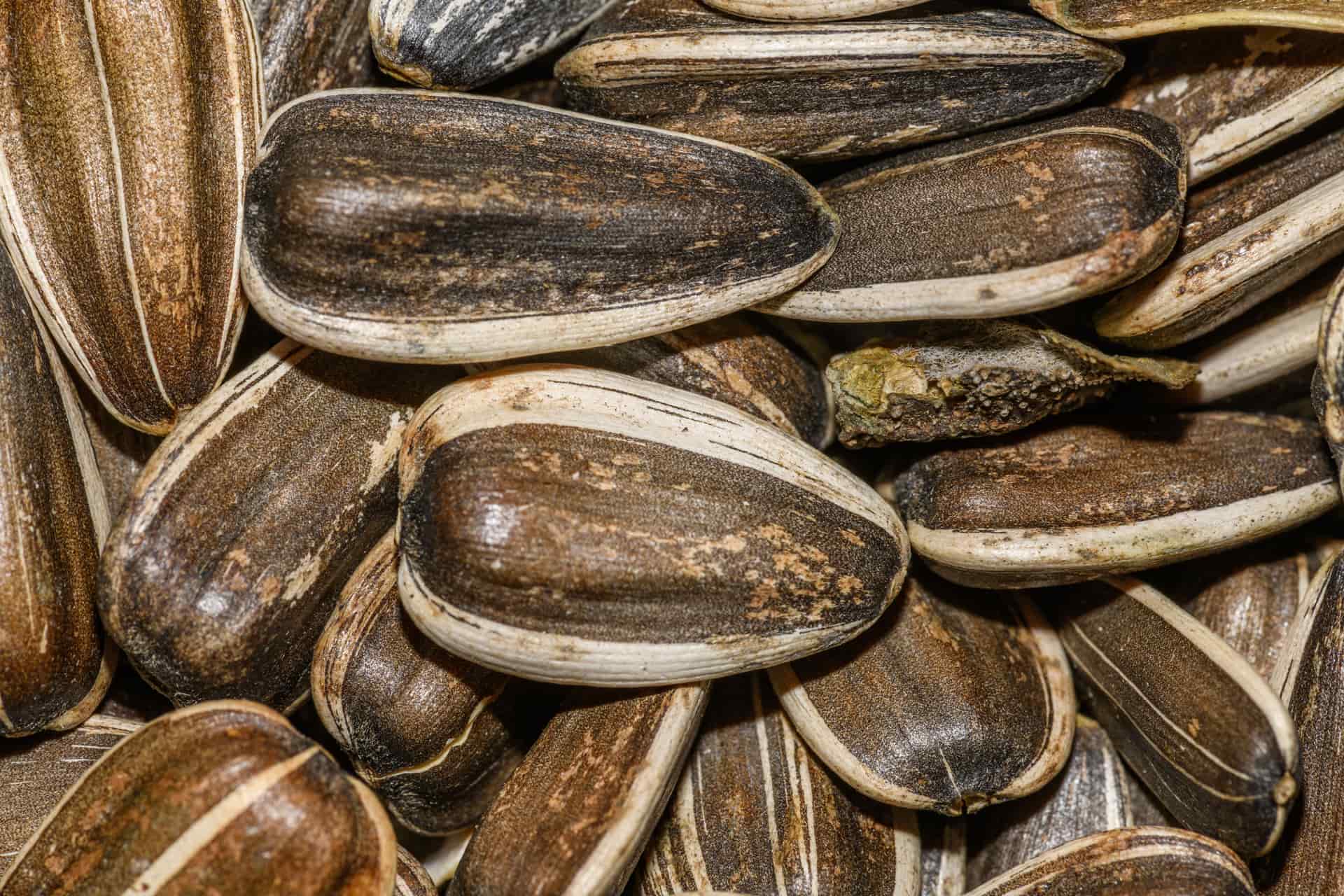
Black oil sunflower is the default winter seed because of its shell, not its oil. The shell is thin enough for a chickadee to crack, which means one bag feeds the entire feeder list rather than just the heavy-billed birds. Striped sunflower has a thick shell and effectively excludes the small birds. That is the whole comparison.
Winter Perch is funded by affiliate commission. If you buy through a link on this page we may earn a commission at no extra cost to you, and it never decides a ranking. Full disclosure · how we pick.
Quick picks
Ranked, with the trade-off named. Tap a row for the full write-up; the price button goes straight to Amazon.
| # | Product | Best for | Price |
|---|---|---|---|
| 1 | Wagner's 76027 Black Oil Sunflower Seed, 25 lbThin-shelled, high-fat, and eaten by nearly everything that comes to a winter feeder. Black oil sunflower is the correct default and this is the honest bulk bag. | The one seed to run if you only run one | Check price on Amazon |
| 2 | Wagner's 76026 Four Season Black Oil Sunflower Seed, 20 lbThe same 100% black oil sunflower in a 20 lb bag — the size that fits a normal storage bin without requiring a plan. | The middle bag size | Check price on Amazon |
| 3 | Wagner's 52023 Black Oil Sunflower Seed, 5 lbThe small bag. Costs the most per pound and is the right purchase for a single small feeder, because seed that goes stale is not cheap at any price. | Balconies, small tubes, and finding out whether you will keep this up | Check price on Amazon |
| 4 | Kaytee Ultimate No Mess Wild Bird Seed, 9.75 lbEvery seed pre-hulled, so nothing accumulates underneath. The right answer over a deck or a path, and the wrong one if you are buying on price per pound. | Decks, patios and balconies where hulls are not welcome | Check price on Amazon |
#ad how we are funded · no live price right now
The picks in full
Top pick The one seed to run if you only run one
Wagner's 76027 Black Oil Sunflower Seed, 25 lb
Thin-shelled, high-fat, and eaten by nearly everything that comes to a winter feeder. Black oil sunflower is the correct default and this is the honest bulk bag.
Specifications
- Type
- 100% black oil sunflower
- Bag
- 25 lb
- Shell
- Thin — accessible to small bills
- Origin
- Made in USA
Trade-offs
- Thin shells mean chickadees and finches can open it, not just cardinals
- The highest usable fat of the common feeder seeds
- 25 lb is a real winter's supply for one or two feeders
- No filler — no milo, no wheat, no red millet nobody eats
- Shells pile up under the feeder and kill the grass beneath it
- 25 lb needs a sealed bin or you are feeding mice
- Sunflower is squirrel candy
Who it is forEvery winter feeder yard, as the base seed.
Skip it ifSkip the 25 lb bag if you feed one small tube on a balcony. Seed goes stale and moldy long before you finish twenty-five pounds.
#ad how we are funded · no live price right now
No. 2 The middle bag size
Wagner's 76026 Four Season Black Oil Sunflower Seed, 20 lb
The same 100% black oil sunflower in a 20 lb bag — the size that fits a normal storage bin without requiring a plan.
Specifications
- Type
- 100% black oil sunflower
- Bag
- 20 lb
- Shell
- Thin
- Origin
- Made in USA
Trade-offs
- 20 lb fits a standard storage bin where 25 lb often does not
- Straight sunflower with no filler, like the rest of the Wagner's line
- Cheaper per pound than the 5 lb bag by a wide margin
- Light enough to carry and pour without a scoop and a second pair of hands
- Costs slightly more per pound than the 25 lb bag
- Still too much seed for a single small tube feeder to get through before it stales
Who it is forOne or two feeders with limited dry storage space.
Skip it ifSkip it if you have somewhere sealed and dry for 25 lb — the bigger bag is cheaper per pound and identical seed.
#ad how we are funded · no live price right now
No. 3 Balconies, small tubes, and finding out whether you will keep this up
Wagner's 52023 Black Oil Sunflower Seed, 5 lb
The small bag. Costs the most per pound and is the right purchase for a single small feeder, because seed that goes stale is not cheap at any price.
Specifications
- Type
- 100% black oil sunflower
- Bag
- 5 lb
- Shell
- Thin
- Origin
- Made in USA
Trade-offs
- Gets used before it stales in a low-traffic yard or a balcony feeder
- No storage problem — it fits in a cupboard
- The sensible way to test whether feeding birds is something you will actually keep doing
- By far the most expensive per pound of the Wagner's sizes
- A busy yard will empty it in under two weeks
Who it is forA single small feeder, a balcony, or a first bag.
Skip it ifSkip it once you know you are committed and have dry storage. You are paying a large premium per pound for a bag size you have outgrown.
#ad how we are funded · no live price right now
No. 4 Decks, patios and balconies where hulls are not welcome
Kaytee Ultimate No Mess Wild Bird Seed, 9.75 lb
Every seed pre-hulled, so nothing accumulates underneath. The right answer over a deck or a path, and the wrong one if you are buying on price per pound.
Specifications
- Type
- Hull-free blend
- Bag
- 9.75 lb
- Hulls
- None — 100% edible
- Waste
- No shell debris under the feeder
- Targets
- Cardinals, finches, chickadees, nuthatches, woodpeckers, juncos
Trade-offs
- Nothing to sweep up, which is the entire point over a deck, a patio or a path
- 100% edible means you are not paying to ship and then dispose of shells
- No hulls also means no seed hull mat killing the grass under the feeder
- Broad species appeal, unlike the single-seed options here
- Considerably more expensive per pound than sunflower in the shell
- Hulled seed absorbs moisture faster and spoils sooner once it is damp — a real issue in a wet winter
- Because nothing is discarded, squirrels and starlings get full value from every beakful too
- 9.75 lb goes faster than the weight suggests, since none of it is shell
Who it is forFeeders over a deck, patio, balcony or path, where the mess under the feeder is the deciding factor.
Skip it ifSkip it if your feeder hangs over lawn or a border and you do not mind the hulls. You are paying a real premium purely for tidiness, and a wet week will spoil it faster than shelled seed.
#ad how we are funded · no live price right now
Black oil vs striped vs hulled
Three things get sold as sunflower seed and they behave completely differently at a feeder.
| Format | Shell | Who can open it | Trade-off |
|---|---|---|---|
| Black oil | Thin, all black | Almost everything, chickadees included | Hulls accumulate under the feeder |
| Striped | Thick, gray-striped | Cardinals, jays, grosbeaks | Excludes the small birds by design |
| Hulled / chips | None | Everything, with no effort at all | Costs far more; spoils quickly when damp |
Striped sunflower is sometimes recommended *because* it excludes small birds and squirrels struggle with it. That is a pest strategy, not a feeding strategy, and safflower does the same job better.
The oil content point, stated accurately
Black oil sunflower does have a high oil content, and oil is fat, and fat is the winter currency. That part of the standard advice is true.
But striped sunflower is also an oily seed, and hulled sunflower is the same kernel with the shell taken off. If oil were the deciding factor they would rank together. They do not, and the reason is mechanical: a chickadee has a small bill and limited time, and a thick shell is a barrier it will mostly decline to fight. Accessibility is what separates them.
What the hulls actually cost you
Roughly speaking you are buying a meaningful fraction of shell by weight, and none of it gets eaten. That sounds like an argument for hulled seed, and per usable calorie it partly is — until you look at what hulled seed does in a wet week.
The shell is packaging, and packaging keeps things fresh. Hulled sunflower absorbs moisture directly, cakes, and spoils far sooner than seed still in its shell. In a covered feeder in a dry spell that does not matter. Through a January of freeze, thaw and drizzle it matters a lot.
Bag size: the cheapest bag is not the cheapest seed
Per pound, bigger is cheaper, and it is not close. But seed has a shelf life once it is open, and a bag you cannot store dry is a bag that goes moldy — which makes it not merely wasted but actively harmful, since mold at feeders is linked to fatal respiratory infection.
| Your setup | Buy | Why |
|---|---|---|
| One small tube, balcony | 5 lb | Gets used before it stales; fits in a cupboard |
| One or two feeders, limited storage | 20 lb | Fits a standard bin, most of the bulk saving |
| One or two feeders, sealed bin available | 25 lb | Roughly a season, cheapest per pound of the sensible sizes |
| Multiple feeders, dedicated storage | 40 lb | Only if you will genuinely get through it |
The binding constraint is storage, not price. Seed in a sealed metal or heavy plastic bin, off the floor, keeps all season. Seed in its paper sack in a damp garage is feeding mice by February.
Buying and keeping it
- Buy in autumn. Pre-season pricing and availability are both better, and stored properly it will not deteriorate.
- Decant immediately into a sealed bin. The paper sack is shipping packaging, not storage.
- Keep it off the floor. Concrete wicks damp into the bottom of a bag.
- Do not top up over old seed. Empty and wipe the feeder before refilling, or the layer at the bottom sits damp for months.
- Smell it. Fresh sunflower smells faintly nutty. Rancid seed smells sharp and unmistakably wrong, and it should go in the bin rather than the feeder.
What we would skip
What we would skip
Striped sunflower as your main winter seed
The thick shell excludes chickadees, titmice and finches, which is most of a northern winter yard. It is sometimes recommended as a pest workaround, and safflower does that job better without excluding the birds you wanted.
Hulled sunflower over a lawn or border
You are paying a large premium for the absence of a mess that a spring rake handles. Hulled seed also spoils noticeably faster in a wet winter, because nothing is protecting the kernel.
A 40 lb bag with nowhere sealed to keep it
The cheapest seed per pound becomes the most expensive when half of it goes moldy or feeds mice. Storage is the real constraint on bag size, not price.
Where it fits in the setup
Black oil sunflower is the base of a winter feeding setup, not the whole of it. The winter seed roundup covers the specialists that sit alongside it — safflower for squirrel pressure, nyjer for finches, hull-free blends for decks. Suet is the denser food and reaches the clinging birds a seed feeder never will, and the feeder you put it in decides how often you go out in bad weather.
Questions people actually ask
- Why is black oil sunflower better than striped?
- The shell. Black oil has a thin shell a chickadee can crack; striped sunflower's is thick enough that it effectively restricts the feeder to cardinals, jays and grosbeaks. Both are oily seeds — accessibility is what separates them.
- Is hulled sunflower worth the extra cost?
- Over a deck, patio or path, often yes — you are buying the absence of a hull mat, which is the thing that makes people give up on a feeder. Over a lawn, usually not, and hulled seed spoils faster in a wet winter because nothing protects the kernel.
- What size bag of bird seed should I buy?
- Whatever you can store sealed and dry. 5 lb for a single small feeder, 20 to 25 lb for one or two feeders with a bin. The cheapest bag per pound stops being cheap when it goes moldy.
- How long does bird seed keep?
- A season, stored sealed and dry off the floor. In a damp garage in its paper sack it will go moldy and attract mice well before that. Fresh sunflower smells faintly nutty; rancid seed smells sharp and should be thrown out.
- Do I need anything besides black oil sunflower?
- Suet, which is denser and reaches woodpeckers, nuthatches and wrens that ignore seed entirely. Beyond that the specialists are optional and solve specific problems rather than feeding more birds.
Sources
Read next
- The Best Bird Seed for Winter
Five winter seeds ranked on usable fat, shell thickness and species reach — plus the cheap mix that is worth avoiding.
- Suet vs Seed in Cold Weather
Fat versus carbohydrate in the cold, who eats which, and the proportion to run in a real winter yard.
- The Best Bird Feeders for Winter
Seed feeders ranked on capacity, roofing and drainage — the specs that decide how often you go out in bad weather.
- What to Feed Birds in Winter
The winter list ordered by fat content, what each food reaches, and the two purchases that cover almost everything.