Winter food / Guide
Peanuts for Birds in Winter
The most reliable way to bring woodpeckers, jays and titmice to a feeder. The format you buy decides whether the small birds get any of it.
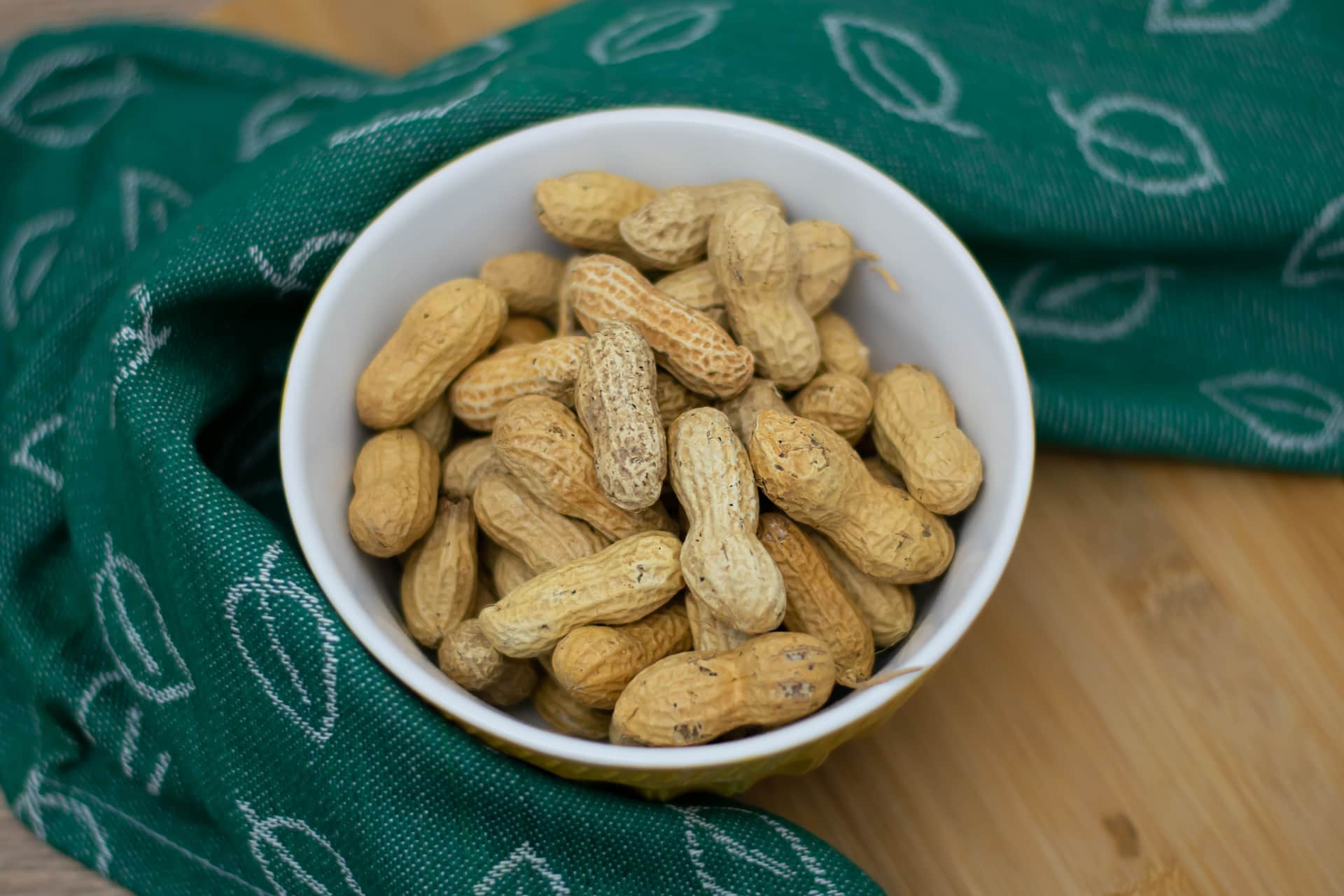
Buy shelled peanut pieces. High fat, and the format matters more than anything else: pieces are workable for chickadees, titmice and nuthatches, while whole nuts effectively restrict the feeder to jays and the larger woodpeckers. Raw and unsalted only — salted nuts are genuinely harmful.
Winter Perch is funded by affiliate commission. If you buy through a link on this page we may earn a commission at no extra cost to you, and it never decides a ranking. Full disclosure · how we pick.
Quick picks
Ranked, with the trade-off named. Tap a row for the full write-up; the price button goes straight to Amazon.
| # | Product | Best for | Price |
|---|---|---|---|
| 1 | Wagner's 57055 Shelled Peanut Pieces, 10 lbShelled pieces rather than whole nuts, which is what lets a chickadee take part instead of only the big birds. | The most reliable draw for woodpeckers, jays and titmice | Check price on Amazon |
| 2 | prdseed Shelled Peanuts for Birds and Squirrels, 10 lbRaw whole shelled peanuts — the format jays and woodpeckers carry away one at a time, and the format small birds mostly cannot use. | Whole shelled nuts for the bigger birds | Check price on Amazon |
| 3 | C&S Peanut Delight No-Melt Suet Dough, 12-packThe same no-melt dough with peanut through it, in the twelve-pack that is the sensible autumn purchase. | Bulk buying before the season | Check price on Amazon |
| 4 | Kaytee Ultra No Mess Nut & Fruit Blend, 5.5 lbSafflower, peanuts, striped sunflower and millet with the sunflower hulls removed — a widener rather than a staple, and priced like one. | Pulling in the birds a plain sunflower feeder misses | Check price on Amazon |
#ad how we are funded · no live price right now
The picks in full
Top pick The most reliable draw for woodpeckers, jays and titmice
Wagner's 57055 Shelled Peanut Pieces, 10 lb
Shelled pieces rather than whole nuts, which is what lets a chickadee take part instead of only the big birds.
Specifications
- Type
- Shelled peanut pieces and splits
- Bag
- 10 lb
- Shell
- None — no debris under the feeder
- Targets
- Woodpeckers, nuthatches, jays, chickadees, titmice
Trade-offs
- Pieces and splits are workable for small birds; whole nuts effectively are not
- High fat, which is the whole point in cold weather
- No shells, so nothing accumulates under the feeder
- The single most dependable way to bring woodpeckers to a seed feeder
- Squirrels can smell peanuts from a long way off, and they will commit
- Shelled nuts absorb moisture and go rancid faster than seed in the shell — buy for weeks, not months
- Costs more per pound than sunflower
- Needs a mesh peanut feeder; pieces pour straight through a standard tube
Who it is forA yard with woodpeckers, jays or titmice, running a dedicated peanut feeder.
Skip it ifSkip it if you have no way to keep it dry and no mesh feeder to put it in. Damp peanut goes rancid quickly, and rancid fat is worse than no fat at all.
#ad how we are funded · no live price right now
No. 2 Whole shelled nuts for the bigger birds
prdseed Shelled Peanuts for Birds and Squirrels, 10 lb
Raw whole shelled peanuts — the format jays and woodpeckers carry away one at a time, and the format small birds mostly cannot use.
Specifications
- Type
- Whole shelled peanuts, raw
- Bag
- 10 lb
- Salt
- None — raw
- Targets
- Jays, woodpeckers, and squirrels
Trade-offs
- Raw and unsalted, which is the only acceptable form for birds
- Whole nuts in a mesh feeder make jays work for them rather than emptying it
- No shells to clear up
- Also the honest choice if you have decided to feed the squirrels away from the bird feeders
- Whole nuts exclude chickadees, titmice and nuthatches, which is most of a winter yard
- Explicitly marketed for squirrels too, and they will find it
- Goes rancid faster than seed in the shell
Who it is forYards where jays and larger woodpeckers are the target, in a whole-nut mesh feeder.
Skip it ifSkip it if you want the small birds involved. Buy pieces instead — the same nut, in a form a chickadee can actually carry.
#ad how we are funded · no live price right now
No. 3 Bulk buying before the season
C&S Peanut Delight No-Melt Suet Dough, 12-pack
The same no-melt dough with peanut through it, in the twelve-pack that is the sensible autumn purchase.
Specifications
- Format
- 11.75 oz cake
- Pack
- 12
- Type
- No-melt dough, peanut
Trade-offs
- Twelve cakes covers a two-feeder yard through a full winter
- Peanut is the single most reliable draw for woodpeckers and titmice
- No-melt, so an autumn warm spell does not waste the first three cakes
- Peanut is also what squirrels can smell from the next yard
- Twelve cakes need dry, rodent-proof storage
Who it is forAnyone buying in September for a winter they already know is coming.
Skip it ifSkip the twelve-pack if you have nowhere dry to keep it. Suet dough left in a damp garage goes rancid, and rancid fat is worse than no fat.
#ad how we are funded · no live price right now
No. 4 Pulling in the birds a plain sunflower feeder misses
Kaytee Ultra No Mess Nut & Fruit Blend, 5.5 lb
Safflower, peanuts, striped sunflower and millet with the sunflower hulls removed — a widener rather than a staple, and priced like one.
Specifications
- Type
- Hull-free nut and fruit blend
- Contents
- Safflower, peanuts, striped sunflower, millet
- Bag
- 5.5 lb
- Hulls
- Zero sunflower hulls
- Targets
- Blue jays, woodpeckers, juncos, cardinals, grosbeaks, sparrows, finches
Trade-offs
- Peanuts are the single most reliable draw for woodpeckers, jays and titmice, and they are in the mix
- The safflower share brings cardinals without a separate feeder
- No sunflower hulls, so it keeps the tidiness benefit of the no-mess range
- Genuinely widens the species list rather than just repackaging sunflower
- The most expensive per pound of anything on this page
- Millet is the weakest ingredient here — ground feeders will take it, tube feeders will scatter it
- 5.5 lb is a small bag for the money in a busy yard
- A blend means you cannot tune the ratio; you get the maker's proportions
Who it is forA yard already running sunflower, where the goal is adding species rather than adding volume.
Skip it ifSkip it as a first purchase. Get straight black oil sunflower working first — a blend cannot fix a badly sited feeder, and it costs several times as much to find that out.
#ad how we are funded · no live price right now
The two rules that are about safety
Most of this page is preference. These two are not.
- Unsalted, always. Birds are small and cannot process sodium at the levels we tolerate. Salted peanuts, salted mixed nuts and anything from a snack aisle are off the list entirely. Buy nuts sold as bird or wildlife food.
- Raw, not roasted or flavored. Roasting is not itself the problem, but roasted nuts are usually salted, oiled or seasoned, and a peanut coated in anything is a peanut you should not put out.
Format decides who eats
This is the part most peanut advice skips, and it is the whole practical question.
| Format | Reaches | Feeder needed | Mess |
|---|---|---|---|
| Pieces / splits | Chickadees, titmice, nuthatches, woodpeckers, jays | Fine mesh tube | None — no shells |
| Whole shelled | Jays, larger woodpeckers, squirrels | Coarse mesh | None — no shells |
| Whole in-shell | Jays, and mammals | Coarse mesh or wreath | Shells everywhere |
In-shell peanuts are the most entertaining to watch and reach the fewest species. If the goal is a fuller feeder rather than a jay show, buy pieces.
Why pieces reach further
A chickadee weighs about as much as two sheets of paper and takes one item at a time to a branch to work on it. A whole peanut is an awkward object for that bird — takeable, occasionally, but not the efficient choice it will keep returning to. A piece is exactly the right size.
That is the same reasoning that makes black oil sunflower the default seed: the format that small birds can handle quickly is the format that feeds the most birds.
Peanuts in suet, which sidesteps the whole question
A peanut suet cake gets the fat and the peanut appeal into a standard cage feeder with no separate hardware, no loose nuts to go rancid, and no squirrel-magnet mesh tube. For a lot of yards it is the better answer, and it is why a peanut suet cake sits on this page alongside the loose nuts.
The trade-off is that you cannot control the ratio and you are buying fat with peanut in it rather than peanut. The suet cake roundup covers the format properly.
The squirrel problem is worse with peanuts
It is worth being direct about this. Peanuts are the single most attractive thing on this site to a squirrel, and a mesh peanut feeder gives them perfect grip. If you have squirrel pressure and you put up peanuts, you will be dealing with squirrels.
The options are the usual ones and they work in the usual order: a baffled pole with real clearance, or accepting that some of the nuts are a squirrel budget. Capsaicin does not help here the way it does with suet — hot pepper is available in cake form, not as a coating on loose nuts you would want to handle.
Storage, briefly
- Sealed container, cool and dry. Not the original bag, and not a damp garage floor.
- Buy for weeks, not seasons. Shelled nuts have no shell protecting them and go rancid faster than seed.
- Small feeder, frequent refills. Better than a large feeder of slowly staling nuts.
- Throw out anything that smells sharp or shows any bloom. This is not a judgement call worth making twice.
What we would skip
What we would skip
Salted or roasted peanuts from a snack aisle
Not a preference — birds cannot process sodium at the levels we tolerate, and roasted nuts are usually salted, oiled or seasoned. Buy nuts sold as bird or wildlife food, raw and unsalted.
Whole in-shell peanuts, if you want a fuller feeder
They reach jays and mammals and almost nothing else, and the shells end up on the ground. Entertaining to watch; the narrowest format on this page by a distance.
A large bag of shelled nuts with no sealed storage
Shelled peanuts go rancid faster than seed and moldy nuts are a real health risk to birds, not just waste. Buy in quantities you will get through in weeks.
A mesh peanut feeder on an unbaffled pole in a squirrel yard
Peanuts plus mesh is the most attractive and most climbable combination on this site. Either baffle the pole properly or expect to be funding a squirrel.
What to put them in
Peanuts need a dedicated feeder — pieces pour straight through a standard sunflower tube. The peanut feeder roundup covers the mesh sizes and which format each one takes. For the wider food picture, what to feed birds in winter.
Questions people actually ask
- Can birds eat peanuts?
- Yes, and they are one of the best winter foods — high fat and the most reliable draw for woodpeckers, jays, titmice and nuthatches. They must be raw and unsalted.
- Are salted peanuts bad for birds?
- Yes. Birds are small and cannot process sodium at the levels we tolerate. Anything from a snack aisle is off the list; buy nuts sold as bird or wildlife food.
- Should I buy peanut pieces or whole peanuts?
- Pieces, in almost every case. They are workable for chickadees, titmice and nuthatches as well as the big birds. Whole nuts effectively restrict the feeder to jays and larger woodpeckers.
- Do peanuts attract squirrels?
- More than anything else on this site, and a mesh peanut feeder gives them ideal grip. Baffle the pole properly or accept that some of the nuts are a squirrel budget.
- How long do peanuts keep in a feeder?
- Less time than seed. Shelled nuts have no shell protecting them, absorb moisture and go rancid, and moldy nuts are a genuine health risk. Use a small feeder, refill often, and empty one that has taken a soaking.
Sources
Read next
- The Best Peanut Feeders for Winter
Four peanut feeders ranked on mesh size — the spec that decides whether chickadees feed alongside the jays.
- What to Feed Birds in Winter
The winter list ordered by fat content, what each food reaches, and the two purchases that cover almost everything.
- The Best Suet Cakes for Winter Birds
Seven suet cakes ranked on fat, no-melt behavior and who they actually attract, with pack-size advice.
- Black Oil Sunflower Seed: Why It Is the Default
Black oil against striped and hulled sunflower, why the thin shell decides it, and which bag size is genuinely cheapest.