Winter feeders / Roundup
The Best Peanut Feeders for Winter
Mesh size is the whole specification. Fine mesh takes pieces and feeds the small birds; coarse mesh takes whole nuts and feeds jays. Everything else is detail.
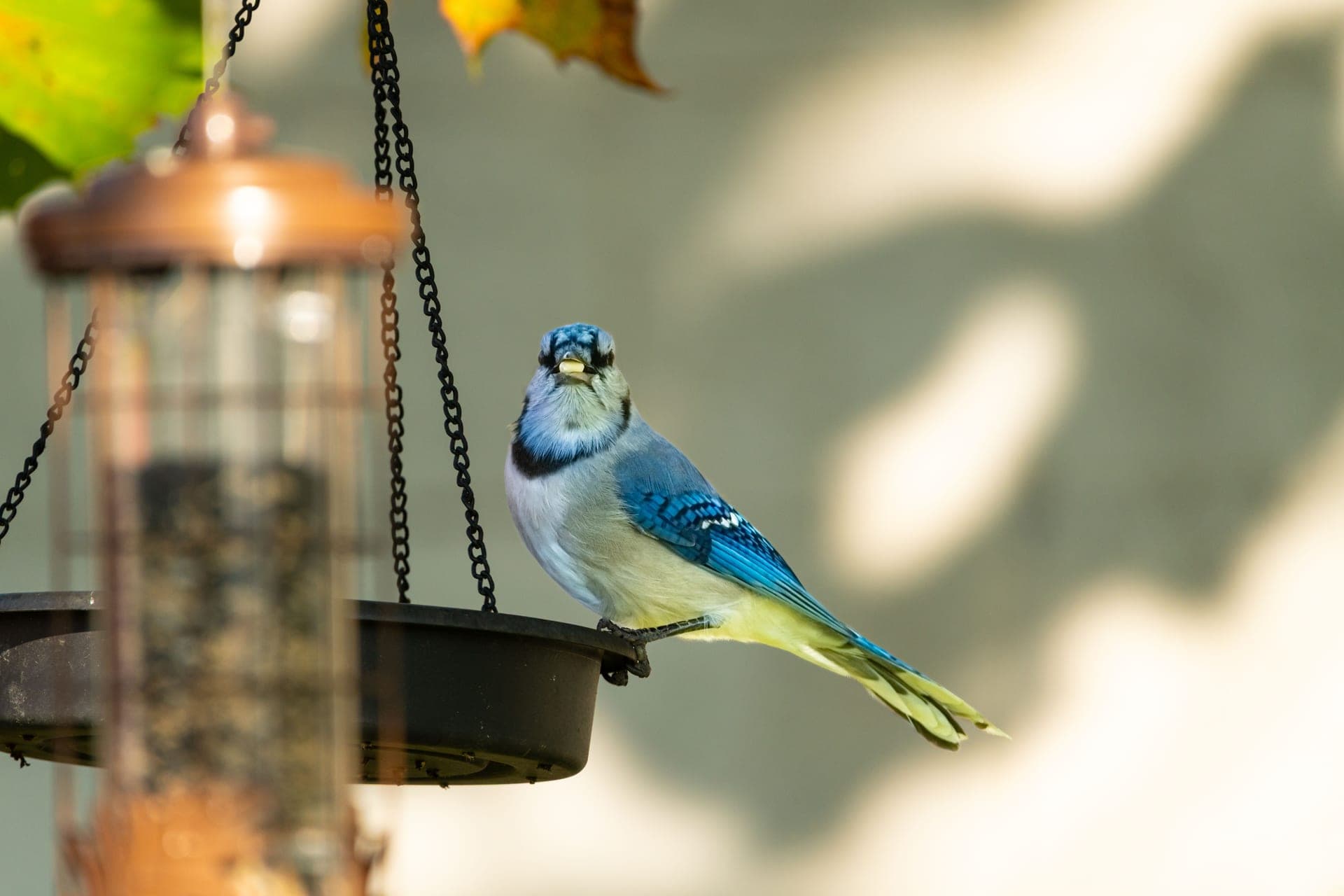
Buy a fine-mesh tube and fill it with peanut pieces. That combination reaches chickadees, titmice and nuthatches as well as woodpeckers and jays. Coarse-mesh in-shell feeders are more entertaining and reach far fewer species. The Droll Yankees New Generation is the pick.
Winter Perch is funded by affiliate commission. If you buy through a link on this page we may earn a commission at no extra cost to you, and it never decides a ranking. Full disclosure · how we pick.
Quick picks
Ranked, with the trade-off named. Tap a row for the full write-up; the price button goes straight to Amazon.
| # | Product | Best for | Price |
|---|---|---|---|
| 1 | Droll Yankees New Generation Peanut Feeder, 13 inA steel mesh tube several birds can cling to at once, holding a pound of shelled nuts — the format that lets small birds feed alongside the jays. | The peanut feeder to buy if you buy one | Check price on Amazon |
| 2 | Birds Choice Small Hanging Mesh Peanut Feeder, 2 cupsTwo cups of shelled nuts in a metal mesh tube. Small, cheap and does the one job — the sensible way to find out whether peanuts change your visitor list. | A first peanut feeder, or a second one further down the yard | Check price on Amazon |
| 3 | Birds Choice XWPF Magnet Mesh Whole Peanut Feeder, 2 qtCoarse mesh sized for whole in-shell nuts with a magnetic closure — built for jays working one nut at a time rather than for small birds. | Whole peanuts in the shell, for jays | Check price on Amazon |
| 4 | Stovall 18FS Whole Peanut FeederStovall's wooden take on the in-shell peanut feeder — quieter to look at than a green wire tube, and the same jays-only trade-off. | A wooden in-shell feeder that looks like furniture | Check price on Amazon |
#ad how we are funded · no live price right now
The picks in full
Top pick The peanut feeder to buy if you buy one
Droll Yankees New Generation Peanut Feeder, 13 in
A steel mesh tube several birds can cling to at once, holding a pound of shelled nuts — the format that lets small birds feed alongside the jays.
Specifications
- Capacity
- 1 lb shelled peanuts
- Height
- 13 in
- Body
- Steel mesh tube
- Also takes
- Peanut mix or black oil sunflower
- Color
- Green
Trade-offs
- Mesh lets multiple birds cling and feed at once rather than queuing at a port
- Steel mesh resists chewing far better than a plastic tube
- A pound of capacity is a sensible refill interval for a peanut feeder
- Droll Yankees build quality is the reference point in this category
- Mesh gives squirrels a perfect grip — this design does nothing to exclude them
- Costs several times a generic mesh tube
- Shelled nuts in open mesh take weather; expect to empty it after a wet week
Who it is forA yard with woodpeckers, nuthatches, titmice and jays, feeding shelled peanut pieces.
Skip it ifSkip it if squirrels run your yard and you are not prepared to baffle the pole. Mesh plus peanuts is the most attractive combination on this site to a squirrel.
#ad how we are funded · no live price right now
No. 2 A first peanut feeder, or a second one further down the yard
Birds Choice Small Hanging Mesh Peanut Feeder, 2 cups
Two cups of shelled nuts in a metal mesh tube. Small, cheap and does the one job — the sensible way to find out whether peanuts change your visitor list.
Specifications
- Capacity
- 2 cups shelled peanuts or nut mix
- Body
- Metal mesh tube
- Targets
- Chickadees, titmice, jays, nuthatches, woodpeckers, towhees
Trade-offs
- Cheap enough to test the category without committing
- Two cups is the right size for a quiet yard — nuts get eaten before they spoil
- Metal mesh, not plastic
- Small enough to hang almost anywhere, including well away from a busy seed station
- Two cups empties fast once jays find it
- No weather protection at all — no roof, open mesh
- Same squirrel-grip problem as every mesh peanut feeder
Who it is forTesting peanuts in a new yard, or adding a second feeder away from the main station.
Skip it ifSkip it if you already know peanuts work for you and have jays. You will be refilling two cups every other day; buy the larger feeder.
#ad how we are funded · no live price right now
No. 3 Whole peanuts in the shell, for jays
Birds Choice XWPF Magnet Mesh Whole Peanut Feeder, 2 qt
Coarse mesh sized for whole in-shell nuts with a magnetic closure — built for jays working one nut at a time rather than for small birds.
Specifications
- Capacity
- 2 quarts
- Mesh
- Coarse — sized for whole peanuts in the shell
- Closure
- Magnetic lid
- Also takes
- Suet nuggets
- Color
- Green
Trade-offs
- The magnetic lid is genuinely easier than a clip with cold hands
- Coarse mesh takes in-shell nuts, which no standard peanut feeder does
- Two quarts means infrequent refills
- Doubles as a suet nugget feeder in spring
- In-shell peanuts exclude the small birds almost entirely
- The shells end up on the ground, so the no-mess benefit of peanuts is lost
- A magnetic lid is one a determined raccoon can open
Who it is forA yard where jays are the point and in-shell nuts are the entertainment.
Skip it ifSkip it if you want chickadees and nuthatches on the peanuts. They need pieces in fine mesh, not whole nuts behind a coarse grille.
#ad how we are funded · no live price right now
No. 4 A wooden in-shell feeder that looks like furniture
Stovall 18FS Whole Peanut Feeder
Stovall's wooden take on the in-shell peanut feeder — quieter to look at than a green wire tube, and the same jays-only trade-off.
Specifications
- Type
- Whole peanut (in-shell) feeder
- Body
- Wood
- Maker
- Stovall Woodworking
Trade-offs
- Wood weathers into a yard rather than sitting on top of it
- Stovall's joinery holds up where cheap wire feeders distort
- In-shell feeding is genuinely absorbing to watch
- In-shell means shells on the ground and small birds excluded
- Wood plus damp peanut needs more cleaning attention than mesh
- Nothing about it deters squirrels
Who it is forSomeone who wants the jay-watching without a wire tube in the view.
Skip it ifSkip it if the goal is species count rather than watching jays. A fine-mesh feeder full of pieces reaches four times as many birds.
#ad how we are funded · no live price right now
Where these specs came from
Mesh size is the decision
Every peanut feeder is a mesh tube with a lid. What separates them is the size of the holes, and that single dimension decides which birds can use it and which food you can put in it.
| Mesh | Takes | Reaches | Under the feeder |
|---|---|---|---|
| Fine | Shelled pieces and splits | Chickadees, titmice, nuthatches, woodpeckers, jays | Nothing — no shells |
| Coarse | Whole nuts, in or out of the shell | Jays, larger woodpeckers, mammals | Shells, if you use in-shell nuts |
Put pieces in a coarse-mesh feeder and they pour out onto the ground. Put whole in-shell nuts in a fine-mesh feeder and they will not fit through at all. Match the feeder to the food before you buy either.
Why fine mesh reaches further
A mesh tube makes birds work a piece loose and carry it off, which is exactly how a chickadee feeds anyway — take one item, fly to a branch, deal with it there. The mesh also lets several birds cling at once around the tube rather than queuing at a single port, which matters in the short feeding window of a winter afternoon.
Coarse mesh does the opposite. It admits only birds with the bill and the strength to extract a whole nut, which in practice means jays and the bigger woodpeckers. That is a fine thing to want — jays working an in-shell feeder is genuinely absorbing — but it is a choice to feed fewer birds, and it is worth making deliberately. The peanut format guide covers the food side of the same decision.
The three other things that matter
1. Material, because squirrels
Peanuts are the most attractive food on this site to a squirrel, and a mesh tube is the easiest thing in the yard to grip. A plastic mesh tube full of peanuts will be chewed open. Steel mesh will not.
No mesh peanut feeder excludes squirrels — the design cannot, because the grip is the point. What steel buys you is a feeder that survives the attention. Exclusion is a pole and a properly sized baffle, not a feeder feature.
2. Capacity, against spoilage
The usual winter logic — buy capacity so you refill less often — partly reverses here. Shelled nuts have no shell protecting them, absorb moisture and go rancid faster than seed. A large peanut feeder in a quiet yard is a slow-staling reservoir.
Match capacity to traffic rather than to convenience: two cups in a quiet yard, a pound where jays and woodpeckers are regular. Then empty and dry it after a soaking rather than topping it up.
3. Weather, which none of them handle well
Open mesh is open to the weather by design — that is how it drains and how birds reach in. No peanut feeder here has a meaningful roof, so all of them take rain directly.
The practical answer is siting rather than hardware: hang a peanut feeder under an eave, a branch or a feeder-station hook that gives it some cover, and accept that a wet week means emptying it. Feeder placement covers the general rules.
Loading a mesh feeder in gloves
A small point that decides how much you like a feeder by February. Mesh tubes load from the top through a lid, and lids in this category are clips, screws or magnets. A screw-off lid is fiddly with cold hands; a magnetic closure is genuinely easier and also the one a raccoon can open.
There is no perfect answer. Buy the magnetic lid if you refill often and have no raccoons, and the clip if you do.
What we would skip
What we would skip
A plastic mesh peanut feeder in a squirrel yard
Peanuts plus plastic mesh is the shortest path to a chewed-open feeder on this site. Steel mesh does not stop a squirrel feeding, but it does stop them destroying the thing.
In-shell peanut feeders, if you want a fuller feeder
Coarse mesh reaches jays, larger woodpeckers and mammals, and excludes the chickadees, titmice and nuthatches that make up most of a winter yard. Buy it for the jay-watching, not for species count.
A large-capacity peanut feeder in a quiet yard
Shelled nuts go rancid faster than seed, so an over-large feeder is a slow-staling reservoir rather than a convenience. Match capacity to traffic.
Peanut pieces in a coarse-mesh feeder
They pour straight through onto the ground, where they get wet and draw rodents. Match the mesh to the format before buying either.
What to fill it with
Peanuts for birds covers pieces against whole nuts, the raw-and-unsalted rule, and the storage problem that peanuts have and seed does not. If a dedicated peanut feeder sounds like more hardware than you want, a peanut suet cake puts most of the same appeal into a cage feeder you may already own.
Questions people actually ask
- What kind of peanut feeder is best?
- A fine-mesh steel tube filled with shelled peanut pieces. That combination reaches chickadees, titmice and nuthatches as well as woodpeckers and jays, and leaves no shells under the feeder.
- Will a peanut feeder keep squirrels out?
- No. Mesh gives squirrels perfect grip and the design cannot exclude them. Steel mesh survives the attention where plastic does not; actual exclusion needs a pole with a properly sized baffle.
- Can I put peanuts in a regular tube feeder?
- No. Peanut pieces pour straight through the ports of a standard sunflower tube. Peanuts need a mesh feeder sized for the format you are using.
- How big should a peanut feeder be?
- Smaller than you would size a seed feeder. Shelled nuts go rancid faster than seed, so match capacity to how fast your yard actually gets through them — two cups in a quiet yard, a pound where jays are regular.
- Do peanut feeders need a roof?
- They would benefit, and almost none have one — open mesh is open to weather by design. Site it under an eave or a branch for some cover, and empty it after a real soaking rather than topping it up.
Sources
Read next
- Peanuts for Birds in Winter
Pieces vs whole vs in-shell, which birds each format reaches, and the two peanut rules that are actually about safety.
- The Best Bird Feeders for Winter
Seed feeders ranked on capacity, roofing and drainage — the specs that decide how often you go out in bad weather.
- Squirrel-Proof Suet Feeders
Weight-activated feeders, pepper cakes and baffles compared — what actually stops a committed squirrel.
- Feeder Placement in Snow and Wind
Wind shelter, drift lines, roof drip and height above snow — where to hang a feeder so the weather does not close it.