Cold-weather care / Guide
Nesting Material for Birds: What Helps and What Harms
This is a category where the popular advice is actively wrong. Three of the most commonly offered materials hurt birds — here is what to put out instead, and when.
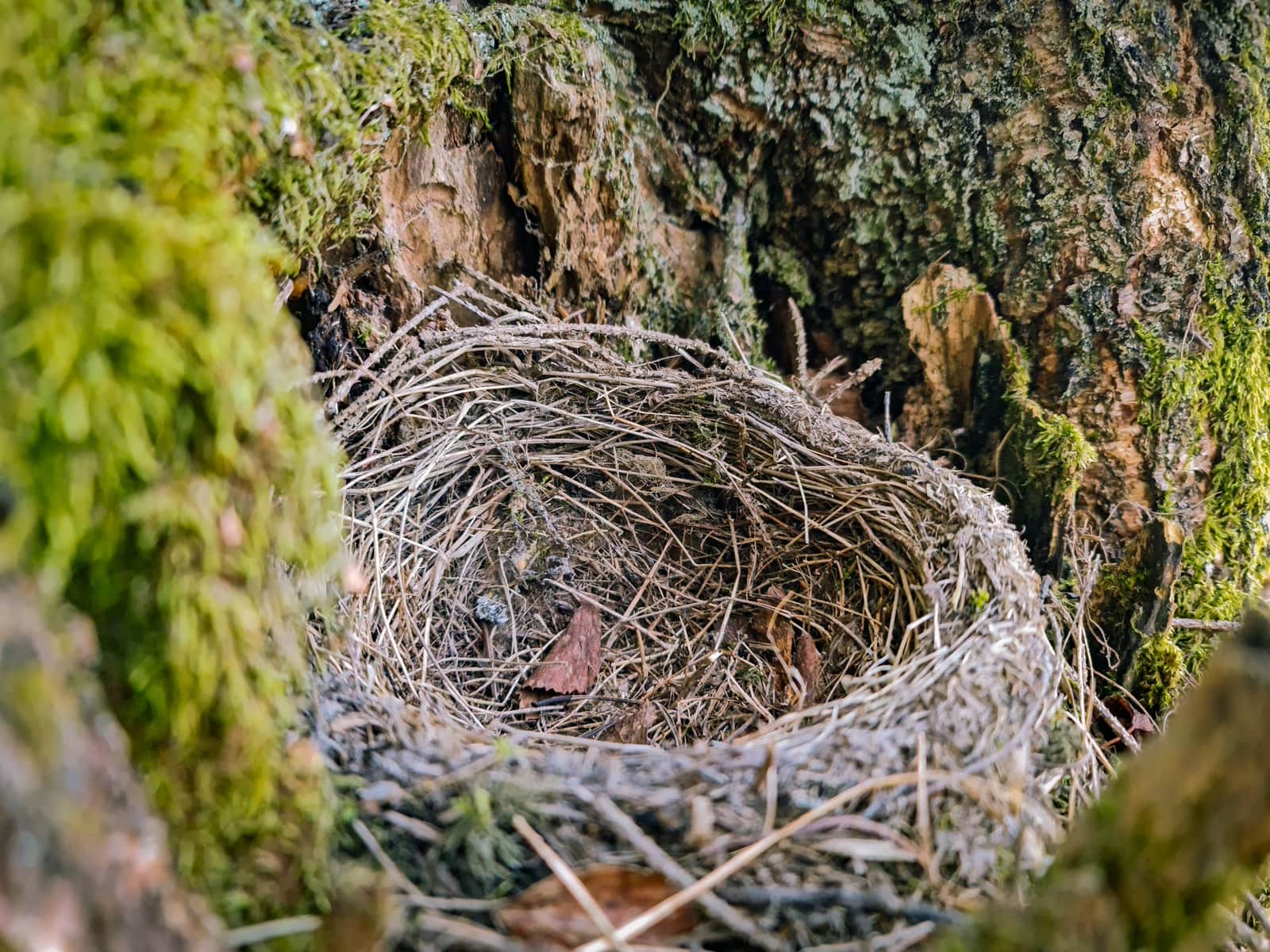
Offer short, natural, untreated fibers: natural cotton, plant down, moss, small twigs, dry grass. Do not offer dryer lint, pet hair treated with flea medication, or string and yarn — the first disintegrates when wet, the second can carry residue, and the third tangles around legs and necks. Put it out in late winter, before the nesting season starts.
Winter Perch is funded by affiliate commission. If you buy through a link on this page we may earn a commission at no extra cost to you, and it never decides a ranking. Full disclosure · how we pick.
Quick picks
Ranked, with the trade-off named. Tap a row for the full write-up; the price button goes straight to Amazon.
| # | Product | Best for | Price |
|---|---|---|---|
| 1 |  Birds Choice All-Natural Cotton Nesting MaterialUntreated natural cotton in a ready-to-hang holder. The material matters more than the holder: natural cotton is safe where most of what people put out is not. | The safe material, ready to hang | $19.99 · See it on Amazon |
| 2 |  Natural Bird Nesting Material, 3.6 ozA plain bag of natural fiber with no holder attached. The cheapest entry into a category where the material is what matters and the packaging is not. | The cheapest way to try it | $6.99 · See it on Amazon |
| 3 |  Songbird Essentials SE7018 Hummer Helper Nesting RefillA refill pack of soft natural fiber aimed at hummingbirds, which build the smallest and most particular nests of anything in a yard. | A refill, and for the smallest nest builders | $11.95 · See it on Amazon |
| 4 | 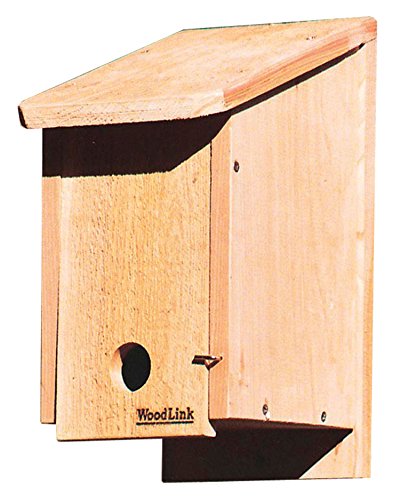 Woodlink Cedar Winter Roosting / Shelter BoxCedar rather than inch-thick pine, so less insulation for less money — the sensible experiment before committing to a Coveside. | A cheaper way to find out whether your yard will use a roost box | $56.99 · See it on Amazon |
#ad how we are funded · price as of September 21, 2026
The picks in full
Top pick The safe material, ready to hang
Birds Choice All-Natural Cotton Nesting Material
Untreated natural cotton in a ready-to-hang holder. The material matters more than the holder: natural cotton is safe where most of what people put out is not.
Specifications
- Material
- All-natural cotton
- Format
- Ready to hang
Trade-offs
- Natural, untreated cotton is one of the few materials that is genuinely safe for nests
- Ready to hang, so there is nothing to assemble or improvise
- Birds Choice is an established brand in this category rather than a generic listing
- Short natural fibers, which do not tangle around legs the way long synthetic strands do
- Nesting is a spring activity, so this sits unused through the winter months
- Cotton holds water and a soaked holder is useless until it dries
- Birds may ignore it entirely if natural material is abundant nearby
- Small quantity for the price compared with a plain refill bag
Who it is forA yard with nest boxes, stocked in late winter before the breeding season.
Skip it ifSkip it if your yard already has long grass, moss and plant down. Birds prefer what they can gather themselves, and it costs nothing.
#ad how we are funded · price as of September 21, 2026
No. 2 The cheapest way to try it
Natural Bird Nesting Material, 3.6 oz
A plain bag of natural fiber with no holder attached. The cheapest entry into a category where the material is what matters and the packaging is not.
Specifications
- Weight
- 3.6 oz
- Material
- Natural fiber
- Holder
- Not included
Trade-offs
- Cheapest option here, and enough to stuff a suet cage or a mesh bag you already own
- No holder to pay for if you have something suitable already
- Natural fiber rather than the dyed synthetic filler sold in some craft packs
- No holder, so you need a cage, mesh bag or bracket to put it in
- Unbranded, so consistency between batches is less predictable
- Loose material blows away if it is not held securely
Who it is forSomeone with an empty suet cage and a willingness to improvise.
Skip it ifSkip it if you want something to hang straight out of the box. Buy a ready-to-hang product instead.
#ad how we are funded · price as of September 21, 2026
No. 3 A refill, and for the smallest nest builders
Songbird Essentials SE7018 Hummer Helper Nesting Refill
A refill pack of soft natural fiber aimed at hummingbirds, which build the smallest and most particular nests of anything in a yard.
Specifications
- Type
- Nesting material refill
- Model
- SE7018
- Aimed at
- Hummingbirds
Trade-offs
- A refill rather than another holder, which is what you actually run out of
- Fine, soft fiber suits the small cup nests hummingbirds build
- Songbird Essentials is a genuine specialist in this category
- Also taken by chickadees and titmice, so it is not single-species
- You need a holder already — this is the refill, not the whole product
- Hummingbird nesting is a narrow window and a narrow audience
- Largely irrelevant in winter on a site about winter
Who it is forRestocking a holder you already own, ahead of spring.
Skip it ifSkip it if you have no holder. Buy a ready-to-hang product first and refill it later.
#ad how we are funded · price as of September 21, 2026
No. 4 A cheaper way to find out whether your yard will use a roost box
Woodlink Cedar Winter Roosting / Shelter Box
Cedar rather than inch-thick pine, so less insulation for less money — the sensible experiment before committing to a Coveside.
Specifications
- Material
- Cedar
- Type
- Winter roosting / shelter box
- Entrance
- Low entry, roosting configuration
Trade-offs
- Real roosting geometry — low entrance, internal perches — at a lower price
- Cedar is rot-resistant and needs no treatment
- Cheap enough to hang two and see which site birds prefer
- Cedar boards are thinner than 1-inch pine, so it insulates less well
- Thin walls matter most on exactly the nights the box matters most
Who it is forA first roost box, or a second site to test placement.
Skip it ifSkip it if your winters are severe. In a deep-cold climate the wall thickness is the product, and that is where the Coveside earns its price.
#ad how we are funded · price as of September 21, 2026
Where these specs came from
The three things to stop offering
This advice circulates every spring and all three items are worse than nothing.
Dryer lint. It looks perfect — soft, fluffy, free. It is a poor nesting material because it holds detergent and fabric-softener residue, and because once wet it collapses into a cold, dense mat that does not dry. A nest lined with lint after rain is a wet nest, and wet nestlings lose heat fast.
String, yarn and long hair. Anything longer than a few inches is a tangle risk. Birds weave it into a nest and it wraps around legs, wings and necks — of adults building, and of nestlings in the cup. If you offer fiber at all, keep the strands short, roughly an inch or two, and let birds do the weaving.
Pet hair from a treated animal. Hair itself is a natural nest material and plenty of birds use it. The problem is that most dogs and cats are treated with topical flea and tick products, and that residue sits on the coat. Hair from an untreated animal, in short lengths, is fine. Hair from a treated one should not go out.
What is genuinely useful
- Natural cotton. Untreated, short-staple cotton is the standard commercial offering and the safest thing you can buy.
- Plant down — the fluff from cattails, thistle, milkweed and cottonwood. Hummingbirds and small songbirds prize it for nest linings.
- Dry grass and small twigs. Free, and the structural material most nests are actually built from.
- Moss and lichen. Used by chickadees and several other cavity nesters.
- Feathers, if you have them from your own birds or find them clean.
- Short animal hair from an untreated pet. Genuinely used, genuinely fine, within the length rule.
Most of that list is free and already in a normal yard. The honest position on this whole category is that a yard that is not over-tidied provides most of it, and the commercial products are convenience rather than necessity.
How we judged these
How we picked
- Natural and untreated, which rules out the processed and bleached products sold alongside these.
- Fiber length, since anything long enough to wrap a leg is the one genuine hazard here.
- Whether it dries after rain, because a material that stays soaked makes a nest colder rather than warmer.
- Whether a holder is included, and whether refills are sold separately.
- Honest framing of necessity, since an untidy yard supplies most of this for nothing.
- Live price and availability, refreshed daily.
We have not tested any of these. What we did instead: read the manufacturers’ own listings, compiled the published specifications, computed the running cost at a cited electricity rate, and refreshed the prices daily. The full method is published.
Timing: this is a late-winter job
Nesting material is one of the few things on this site that is not a midwinter activity, and it is worth being clear about that rather than selling it as a January purchase.
Birds gather material when they are building, which in most of the US means late winter into spring. Putting it out in November means months of it sitting in the weather. Put it out as the days start lengthening and you will catch the start of the building season, which is exactly when the winter yard checklist has you cleaning out boxes anyway.
There is one genuine winter connection: the same cavity boxes used for nesting in spring are used for roosting on cold nights, sometimes by several birds at once. Material left inside a box is not what birds want for roosting — they want a clean, dry, empty cavity — so the autumn clean-out and the late-winter material offering are two separate jobs at two separate times.
How to offer it
- Use a holder birds can cling to — a mesh ball, a suet cage, or a wire basket. Loose material blows away in a day.
- Put it near cover, where birds already spend time, rather than in the open.
- Keep it dry. A soaked ball of cotton is useless until it dries, so somewhere with a bit of shelter helps.
- Do not overfill a nest box with it. Birds build their own nests; a box pre-stuffed with material is a box they have to clear out first.
- Take it in when building stops. Material left out all summer weathers and goes moldy.
What we would skip
What we would skip
Dryer lint
It carries detergent and softener residue, and once wet it collapses into a dense mat that will not dry. A nest lined with lint after rain is a cold, wet nest. This is the most commonly repeated bad advice in the category.
String, yarn, tinsel and long hair
Anything longer than a couple of inches is a tangle risk around legs, wings and necks — for adults building and nestlings in the cup. Keep every strand short and let birds do the weaving.
Hair from a flea-treated pet
Hair itself is a natural and widely used nesting material. The problem is the topical flea and tick residue sitting on the coat. Untreated animals only.
Plastic strips, cellophane and packing material
It does not breathe, it does not dry, and it does not break down. Nothing about it belongs in a nest.
Cotton wool balls and cosmetic pads
Usually bleached and processed, and they hold water the same way lint does. Untreated natural nesting cotton is a different product, and it is the one sold for this.
Stuffing material into a nest box
Birds build their own nest to their own design. A box pre-filled with material is a box they have to empty first, and in winter a cavity they want clean and bare for roosting.
Where this fits
Material is the smallest part of getting birds to nest in a yard — the box matters far more. Bluebird houses covers species-specific boxes, roost box vs nest box covers the difference between the two jobs, and predator guards covers the thing that actually decides whether a nest succeeds.
Questions people actually ask
- What nesting material is safe for birds?
- Short, natural, untreated fibers: natural cotton, plant down, dry grass, small twigs, moss, and short hair from an untreated pet. The test is whether it dries after rain and whether any strand is short enough not to tangle.
- Is dryer lint safe for birds to use in nests?
- No. It holds detergent and fabric-softener residue, and once wet it collapses into a dense mat that does not dry, which makes a nest colder rather than warmer.
- Can I put out yarn or string for birds?
- Not in long pieces. Strands longer than a couple of inches wrap around legs, wings and necks. If you offer fiber, keep it to roughly an inch or two and let the birds weave it.
- Is pet hair good nesting material?
- Only from an untreated animal, and only in short lengths. Most dogs and cats carry topical flea and tick residue on the coat, which should not go into a nest.
- When should I put out nesting material?
- Late winter, as days begin lengthening and before building starts. Putting it out in midwinter just leaves it weathering for months, and take it in once building stops.
- Should I put nesting material inside a nest box?
- No. Birds build their own nests, and a pre-stuffed box is one they must clear first. In winter the same boxes are used for roosting, and roosting birds want a clean, dry, empty cavity.
Sources
Read next
- The Best Bluebird Houses
Bluebird boxes ranked on entrance size, sparrow-resistant design and cleanability — plus the siting rules that matter more than the box does.
- Roost Box vs Nest Box: Four Differences That Matter
Four design differences between roost and nest boxes, why each one exists, and whether to buy one of each or a convertible.
- Predator Guards for Nest and Roost Boxes
Stovepipe pole baffles and entrance portal guards, ranked — plus the clearance rule that decides whether any of them work.
- The Winter Bird Yard Checklist
The October changeover in order: feeders, water, shelter, what to leave standing, and the winter maintenance schedule.