Winter feeding / Roundup
The Best Bird Seed Storage Containers
A bag of seed bought in autumn has to survive a whole winter in a garage — with mice moving indoors, damp air, and a temperature that swings every day. The container decides whether it does.
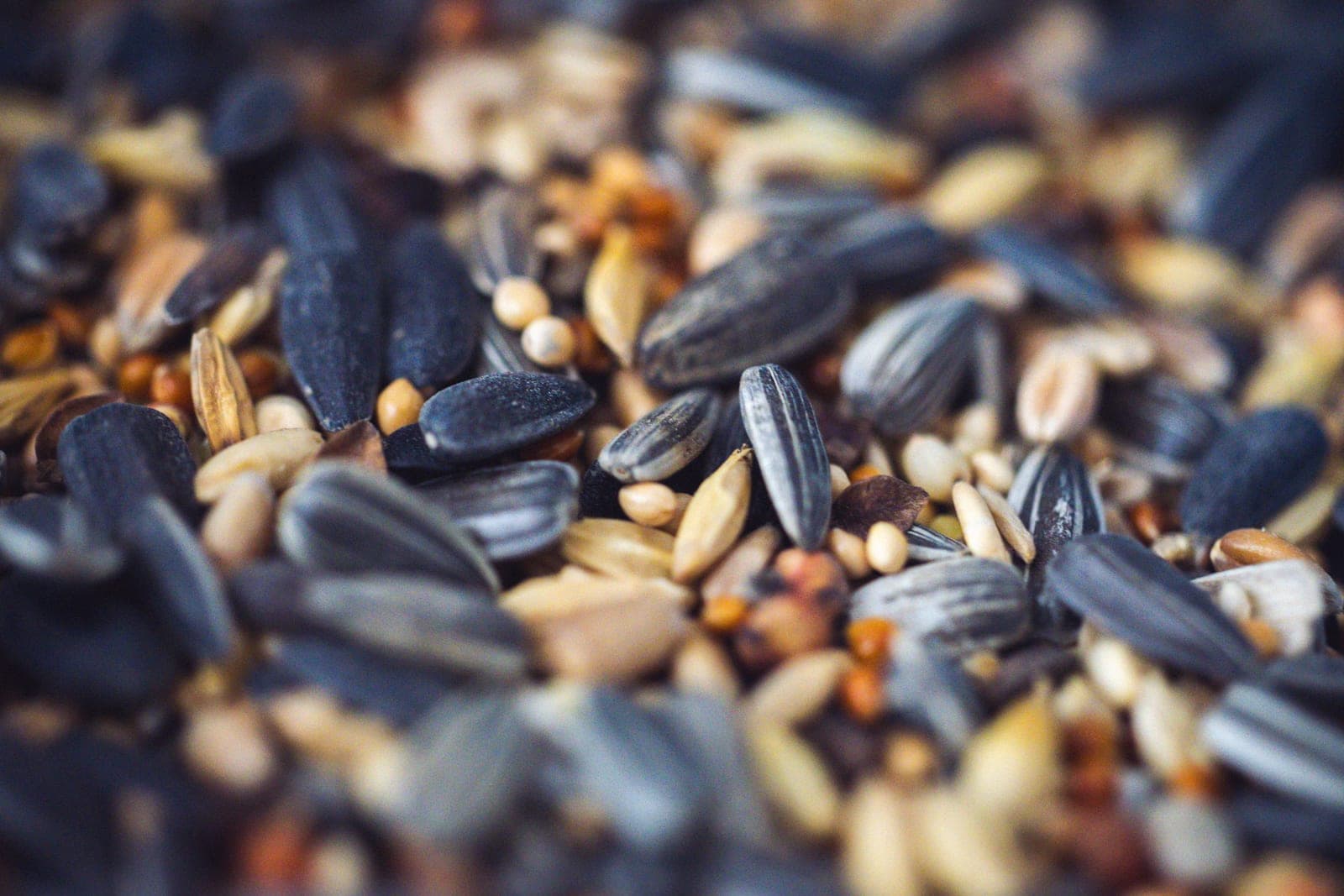
Decide what you are protecting against first. Damp is solved by an airtight plastic bin — the Gamma2 Vittles Vault is the pick. Rats and raccoons are solved by a locking galvanized steel can, which is not airtight. Most garages need the first; sheds and barns with a real rodent problem need the second. Either way, get it off the floor.
Winter Perch is funded by affiliate commission. If you buy through a link on this page we may earn a commission at no extra cost to you, and it never decides a ranking. Full disclosure · how we pick.
Quick picks
Ranked, with the trade-off named. Tap a row for the full write-up; the price button goes straight to Amazon.
| # | Product | Best for | Price |
|---|---|---|---|
| 1 |  Gamma2 Vittles Vault Bird Seed Storage Container, up to 35 lbAn airtight bin sold specifically for bird seed and rated in pounds rather than gallons, which means you can buy it against the bag you actually buy. The default answer. | The one container most yards need | $28.15 · See it on Amazon |
| 2 |  Behrens 6 Gallon Galvanized Steel Can with Locking LidGalvanized steel with a locking lid. Nothing gnaws through it and a raccoon cannot simply lift the lid off. The honest trade is that steel is not airtight. | Rodents and raccoons that chew or pry | $35.99 · See it on Amazon |
| 3 |  IRIS USA Airtight Rolling Storage Container, 30 lbAn airtight container on wheels, rated to 30 lb. Sold for pet food, budget-priced, and a full bin you can roll is one you will actually move away from a cold outside wall. | An airtight bin you can roll | $23.99 · See it on Amazon |
| 4 |  Plexon 20 Gallon Galvanized Steel Can with LidTwenty gallons of galvanized steel, sold with bird seed storage named in the listing. Chew-proof at a size that holds a bulk purchase — with a plain lid, which is the catch. | Bulk seed, in metal | $69.95 · See it on Amazon |
| 5 |  Buddeez 8 Quart Bird Seed and Pet Food DispenserA small pour-spout container for the few days of seed you actually handle. It is not bulk storage, and used alongside a proper bin it removes the spill from every refill. | The working supply by the back door | $26.99 · See it on Amazon |
| 6 |  More Birds 3-in-1 Super Tote, 5 lbA carry tote from a bird-feeding brand that takes five pounds out to the feeder. The cheapest thing on this page and the one that most reduces spilled seed on the snow. | Carrying seed to the feeder in snow | $14.99 · See it on Amazon |
#ad how we are funded · price as of September 17, 2026
The picks in full
Top pick The one container most yards need
Gamma2 Vittles Vault Bird Seed Storage Container, up to 35 lb
An airtight bin sold specifically for bird seed and rated in pounds rather than gallons, which means you can buy it against the bag you actually buy. The default answer.
Specifications
- Capacity
- Up to 35 lb, as stated by the maker
- Lid
- Threaded screw-on seal with double gaskets
- Material
- BPA-free HDPE plastic
- Origin
- Made in USA
Trade-offs
- Rated in pounds, so it is easy to match to a bag — metal cans are sold in gallons and are not
- A threaded, double-gasketed lid keeps damp out, and damp is what turns stored seed moldy over a winter
- Seals in the smell of the seed, which is a large part of what draws mice to a garage in the first place
- Gamma2 is the established name in airtight feed storage
- Plastic: a rodent with time and no alternative can chew through it — keep it off the floor and away from walls
- Not the choice for an outbuilding with a real rat problem, where metal is the only honest answer
- A screw-top lid is slower to open than a flip lid, and fiddly in gloves
- Tough HDPE is still plastic, so the seal is doing most of the work — it is not a physical barrier the way steel is
Who it is forA garage or utility room with occasional mice, and seed bought by the bag in autumn.
Skip it ifSkip it for a shed or barn with a proper rodent problem. Buy a locking metal can there and accept that it is not airtight.
#ad how we are funded · price as of September 17, 2026
No. 2 Rodents and raccoons that chew or pry
Behrens 6 Gallon Galvanized Steel Can with Locking Lid
Galvanized steel with a locking lid. Nothing gnaws through it and a raccoon cannot simply lift the lid off. The honest trade is that steel is not airtight.
Specifications
- Capacity
- 6 gallons
- Material
- Galvanized steel
- Lid
- Locking
Trade-offs
- Steel is the only material here a rat cannot chew through, however long it has
- The locking lid defeats raccoons, which open a plain lid without effort
- Behrens is an established maker of galvanized cans rather than a no-name import
- Suits an outbuilding where no plastic bin would survive the winter
- Not airtight — a steel lid does not seal against damp the way a gasket does
- Sized in gallons rather than pounds, so check it against the bag you buy before ordering
- Six gallons is a modest capacity for anyone buying seed in bulk
- Stand it on a board rather than bare concrete, which stays damp against the base all winter
Who it is forA shed, barn or garage where rodents or raccoons have already found the seed.
Skip it ifSkip it if damp rather than rodents is your problem. An airtight plastic bin kept off the floor protects seed from moisture far better.
#ad how we are funded · price as of September 17, 2026
No. 3 An airtight bin you can roll
IRIS USA Airtight Rolling Storage Container, 30 lb
An airtight container on wheels, rated to 30 lb. Sold for pet food, budget-priced, and a full bin you can roll is one you will actually move away from a cold outside wall.
Specifications
- Capacity
- 30 lb, as stated by the maker
- Seal
- Airtight, per the listing
- Mobility
- Rolling
- Material
- Plastic
Trade-offs
- A budget-priced route to an airtight seal
- Wheels make a full bin movable, which matters because it should never sit against a cold outside wall
- Pound-rated, so it is easy to match to the bag you buy
- An airtight seal holds in the smell that draws mice to a garage
- Plastic, with the same chew vulnerability as any plastic bin
- Sold for pet food, so the capacity figure is for kibble rather than seed
- Rolling bins are low-slung, so it cannot go up on a shelf the way a flat-bottomed bin can
- Smaller than the Vittles Vault, so a large seed bag may not fit in one go
Who it is forA dry garage or basement, a mid-size bag, and a budget.
Skip it ifSkip it where rodents are a known problem. An airtight seal stops the smell drawing them in, but it will not stop one that has already found the bin.
#ad how we are funded · price as of September 17, 2026
No. 4 Bulk seed, in metal
Plexon 20 Gallon Galvanized Steel Can with Lid
Twenty gallons of galvanized steel, sold with bird seed storage named in the listing. Chew-proof at a size that holds a bulk purchase — with a plain lid, which is the catch.
Specifications
- Capacity
- 20 gallons
- Material
- Galvanized steel
- Lid
- Fitted lid, not locking
Trade-offs
- Chew-proof steel at a capacity large enough for a real autumn bulk buy
- Round and deep, so two different seeds in their own sealed bags can share one can
- Galvanized finish handles a garage or shed through a wet winter
- The lid does not lock, and a raccoon lifts a plain lid easily — weight it or strap it
- Not airtight, so seed stored loose in it is exposed to damp air
- Deep enough that reaching the last few pounds is awkward
- A large can of seed is a large target; if something does get in, it gets in to a lot
Who it is forBuying seed in bulk and storing it somewhere mice would chew through plastic.
Skip it ifSkip it if raccoons visit your garage or shed. A plain lid will not stop them; buy a locking can, even at a smaller size.
#ad how we are funded · price as of September 17, 2026
No. 5 The working supply by the back door
Buddeez 8 Quart Bird Seed and Pet Food Dispenser
A small pour-spout container for the few days of seed you actually handle. It is not bulk storage, and used alongside a proper bin it removes the spill from every refill.
Specifications
- Capacity
- 8 quarts
- Dispensing
- Pour spout
- Material
- Clear plastic
Trade-offs
- Pours into a feeder port without a funnel, which matters with cold hands and gloves
- Clear body shows the level, so you notice when it is time to refill from the main bin
- Keeps the big bin closed most of the time, which is what actually keeps it dry
- Small enough to keep indoors, by the door you go out of
- Eight quarts is a working supply, not storage — this does not replace a bin
- Plastic, and no defense at all against rodents if left in a garage
- The spout clogs with fine seed or wet hulls
Who it is forAnyone refilling feeders several times a week in cold weather.
Skip it ifSkip it if you refill once a week. Carry the seed straight from the main bin and save the clutter.
#ad how we are funded · price as of September 17, 2026
No. 6 Carrying seed to the feeder in snow
More Birds 3-in-1 Super Tote, 5 lb
A carry tote from a bird-feeding brand that takes five pounds out to the feeder. The cheapest thing on this page and the one that most reduces spilled seed on the snow.
Specifications
- Capacity
- 5 lb
- Type
- Carry tote
- Maker
- More Birds
Trade-offs
- Carries a refill out without a scoop in one hand and a bag in the other
- Less seed spilled on the ground, which is less seed drawing mice and starlings
- Made by a bird-feeding brand for this job, rather than borrowed from another
- Cheap enough that there is no reason to fill feeders from the bag
- Five pounds is a carrying amount, not storage
- Plastic that goes brittle if left outdoors in hard frost
- Does nothing for the seed still in the bag or the bin
Who it is forAnyone filling feeders across a snowy yard.
Skip it ifSkip it if your feeders are a step from the door and you fill them from a pour container already.
#ad how we are funded · price as of September 17, 2026
The three things that ruin stored seed
Seed bought in bulk in autumn is the cheapest way to feed through a winter, and the seed roundup recommends exactly that. The saving evaporates if the bag does not make it to February. Three things stop it.
- Rodents. Mice and rats move toward buildings as it gets cold, and a paper sack of sunflower in a garage is a winter's food supply with no defenses. They chew through paper immediately and through plastic given time.
- Damp. An unheated garage or shed warms and cools every day. Moisture condenses on cold surfaces — including the inside of a container — and seed that absorbs it clumps and molds. Moldy seed is not just wasted; it is harmful to birds.
- Raccoons and squirrels. A raccoon that finds seed in a garage will open anything that simply lifts. A plain lid is not a barrier to one.
Insects are a fourth, smaller problem — pantry moths and weevils — and an airtight seal handles them along with the damp.
Metal or plastic: they solve different problems
This is the decision that matters, and it is genuinely a trade rather than a case of one material being better.
| Galvanized steel can | Airtight plastic bin | |
|---|---|---|
| Mice and rats | Chew-proof, however long they have | Resistant; chewable given time |
| Raccoons | Stopped — if the lid locks | Depends on the latch |
| Damp and condensation | Not sealed; damp air gets in | Sealed by a gasket |
| Smell (what draws rodents in) | Escapes | Contained |
| Insects | Not excluded | Excluded |
| How capacity is sold | Gallons — harder to match to a bag | Pounds — easy to match |
Steel wins on anything with teeth. Airtight plastic wins on everything else. A garage with occasional mice is usually a plastic-bin problem; an outbuilding with rats is a metal-can problem.
How we judged these
How we picked
- Which threat the container actually stops — rodents, raccoons, damp or insects — since no single material stops all four.
- Whether the lid locks or seals, because a lid that simply lifts defeats the rest of the container.
- Capacity stated in pounds rather than gallons, which makes a container far easier to match to a seed bag.
- Manufacturer-stated seal and construction details, quoted rather than assumed.
- Handling in cold weather — lids that work in gloves, and weight that can be moved when full.
- Live price and availability, refreshed daily.
We have not tested any of these. What we did instead: read the manufacturers’ own listings, compiled the published specifications, computed the running cost at a cited electricity rate, and refreshed the prices daily. The full method is published.
Sizing: match the container to the bag
A small, practical point that causes a lot of returns: metal cans are sold by the gallon and pet-food bins by the pound. Seed is bought by the pound. That makes pound-rated bins far easier to buy correctly — you can match a bin to the bag you already buy without guessing how many pounds of sunflower fit in a gallon.
If you are buying a gallon-rated can, check the listing against your bag before ordering, and allow for the fact that different seeds pack differently. A container slightly too large is fine. One slightly too small means half a bag sitting in its paper sack next to it, which defeats the purpose.
- Size the main container to hold one whole bag, so no seed is ever left in the sack.
- Never top up old seed with new. Empty the container, check the last of the old seed, then pour in the new bag. Seed at the bottom of a container that is always topped up can sit there all winter.
- Pour it out of the paper sack. Paper holds damp and gives a mouse something to start on. Tape the product label or the purchase date to the lid instead.
- Separate seeds, separate containers — or separate sealed bags in one large can. Nyjer goes stale faster than sunflower and should not be buried under it.
Where to put it in winter
Placement does almost as much as the container, and it is free.
- Off the floor. A shelf, a pallet or even a board. Concrete stays cold and damp all winter, and the floor is where rodents travel.
- Away from outside walls. Cold walls are where condensation forms. A container against an outside wall collects moisture on its inside surface.
- Out of direct sun. A container that heats up in a sunny window and cools at night cycles moisture through the seed daily.
- Not next to a heat source. Warmth speeds up the oils in sunflower and nyjer going rancid.
- Somewhere you will actually go in January. A container at the back of a shed behind the lawnmower is one you will stop using when there is snow on the path.
Checking seed that has been stored
Before you refill a feeder from a container that has sat for a while, take ten seconds:
- Smell it. A musty or sour smell means mold or rancid oil. Throw it out.
- Look for clumps. Seed stuck together has absorbed moisture.
- Look for webbing — the fine silk of pantry moth larvae.
- Look around the container for droppings. If something has been at the outside, it has been trying to get in.
Moldy seed goes in the trash, not the compost and never the feeder. The same rule applies with more force to peanuts, where the mold concern is aflatoxin.
What we would skip
What we would skip
Leaving seed in its paper sack on a garage floor
It is the most common way to lose a bulk purchase. Paper wicks damp from concrete and a mouse is through it in a night. Anything on this page is better than the sack.
A plastic bin in a shed with rats
Rats chew through plastic given time, and a sealed bin that smells faintly of seed is worth their effort. Steel is the only honest answer in an outbuilding with a real rodent problem.
A metal can as protection against damp
A steel lid does not seal. Seed stored loose in a can in a damp shed still absorbs moisture. Use an airtight bin, or a sealed bag inside the can.
A plain-lidded can where raccoons visit
A raccoon lifts a friction-fit lid without difficulty. Buy a locking lid, or weight and strap the one you have.
Topping up old seed with new
The seed at the bottom of a container that is always topped up can sit there all winter going stale or moldy. Empty, check, then refill.
Buying more than one winter's worth
Bulk saves money only if it is eaten. Seed stored into a second season has had a full summer of heat and humidity to go rancid. Buy in autumn, for one winter.
Where this fits
Storage is what makes buying in bulk worth it. The winter seed roundup covers what to buy, black oil sunflower seed covers the default choice, and the winter yard checklist puts storage into the autumn changeover alongside everything else.
Questions people actually ask
- What is the best container for storing bird seed?
- An airtight plastic bin for a dry garage, such as the Gamma2 Vittles Vault, or a locking galvanized steel can for a shed or barn with rats. Airtight plastic stops damp; steel stops teeth; neither does both on its own.
- Do mice chew through plastic seed containers?
- Given enough time and motivation, yes. An airtight seal helps by containing the smell that draws them in, but where mice or rats are an established problem, only galvanized steel is genuinely chew-proof.
- Can I store bird seed in a garage in winter?
- Yes, in a sealed container kept off the floor and away from outside walls. The risks in an unheated garage are condensation from daily temperature swings and rodents moving indoors as it gets cold.
- Is a galvanized trash can good for bird seed?
- It is excellent against rodents, and a locking lid stops raccoons. It is not airtight, so in a damp space either keep the seed in a sealed bag inside the can or use an airtight bin instead.
- How long does stored bird seed last?
- Through a winter, if it is kept dry and cool. Oily seeds such as sunflower and nyjer go rancid faster in warmth, so buy in autumn for one season rather than storing into a second year.
- How do I know if stored bird seed has gone bad?
- A musty or sour smell, clumps of seed stuck together, or fine webbing from moth larvae. Any of those means it goes in the trash rather than the feeder, because moldy seed harms birds.
- Should I keep bird seed in its original bag?
- Not a paper sack — paper holds damp and a mouse gets through it quickly. Pour the seed into the container and tape the product label or purchase date to the lid.
Sources
Read next
- The Best Bird Seed for Winter
Five winter seeds ranked on usable fat, shell thickness and species reach — plus the cheap mix that is worth avoiding.
- Black Oil Sunflower Seed: Why It Is the Default
Black oil against striped and hulled sunflower, why the thin shell decides it, and which bag size is genuinely cheapest.
- Peanuts for Birds in Winter
Pieces vs whole vs in-shell, which birds each format reaches, and the two peanut rules that are actually about safety.
- The Winter Bird Yard Checklist
The October changeover in order: feeders, water, shelter, what to leave standing, and the winter maintenance schedule.