Winter feeding / Guide
Cracked Corn for Birds: Cheap Calories, Real Problems
Nothing else feeds a flock of ground birds for so little money, and nothing else brings rodents to a yard so reliably. Both of those are true at once.
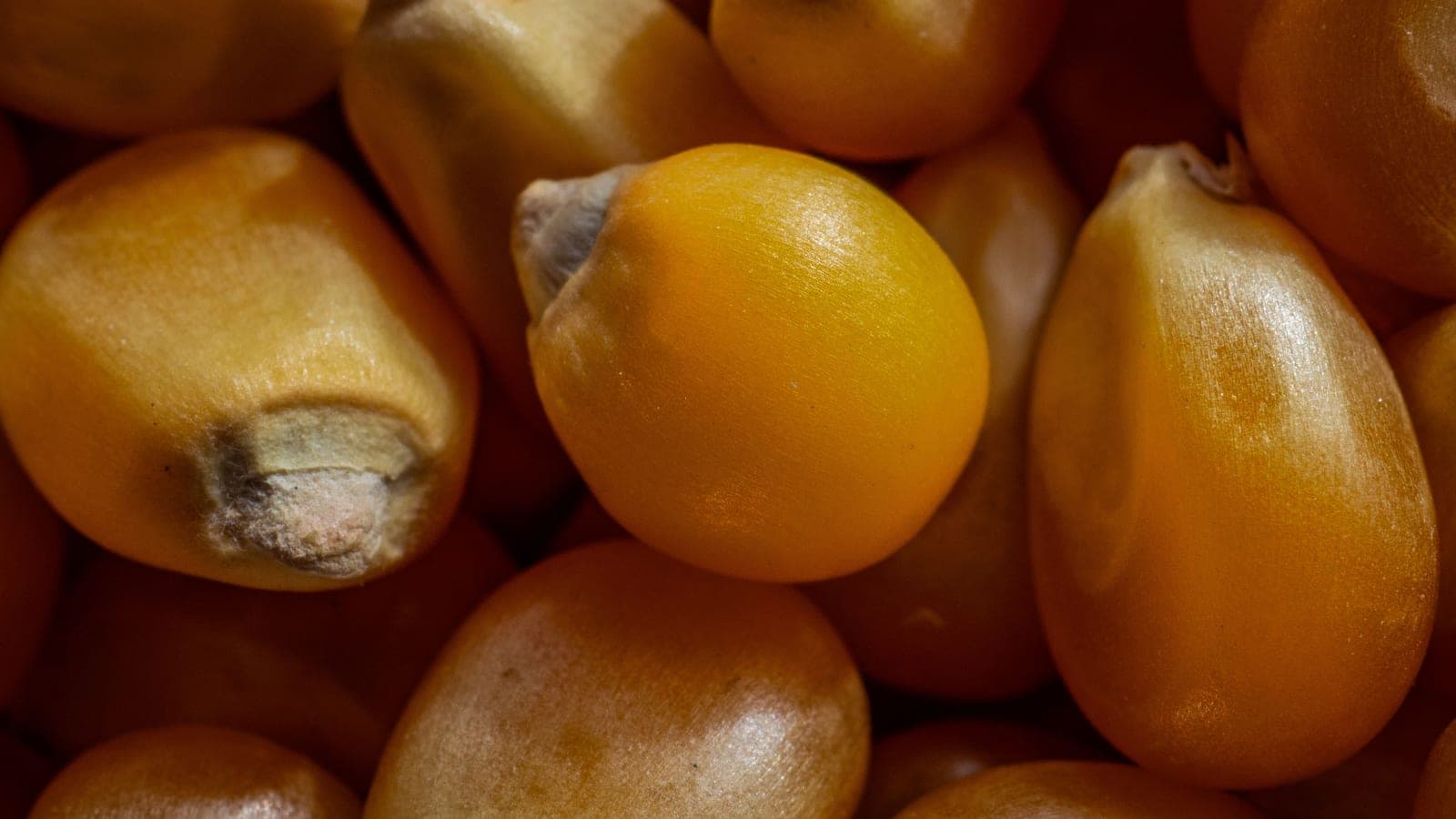
Cracked corn feeds ground birds — juncos, doves, sparrows, towhees and jays — for less money than anything else. It is also the fastest way to bring rats and mice to a yard, and it is low in the fat winter birds actually need. Offer it in a low tray, in small amounts, cleared before dark — or skip it and put the money into sunflower.
Winter Perch is funded by affiliate commission. If you buy through a link on this page we may earn a commission at no extra cost to you, and it never decides a ranking. Full disclosure · how we pick.
Quick picks
Ranked, with the trade-off named. Tap a row for the full write-up; the price button goes straight to Amazon.
| # | Product | Best for | Price |
|---|---|---|---|
| 1 |  Wagner's 18542 Cracked Corn, 10 lbCheap energy for doves, juncos, sparrows and jays, from the brand this site already buys sunflower from. Useful in a ground tray and a liability anywhere else. | Ground feeders, in a separate low tray | $12.98 · See it on Amazon |
| 2 |  Scott Pet Cracked Corn Wild Bird Seed, 9 lbNine pounds rather than ten, and a sensible way to find out whether corn brings you ground birds or a rodent problem before committing to a sack. | A smaller bag to test whether you want corn at all | $11.46 · See it on Amazon |
| 3 |  DutchCrafters Poly Covered Platform Ground FeederThe only covered option here, in recycled poly with a removable tray — it answers the two complaints about ground feeders, snow and cleaning, and costs accordingly. | Ground feeding that survives snowfall | $236.00 · See it on Amazon |
| 4 |  MIXXIDEA Ground Bird Feeder TrayThe same metal-mesh idea at a lower price — drains properly, and that is most of what a ground tray has to do. | The cheapest way to add ground feeding | $12.34 · See it on Amazon |
| 5 |  Wagner's 76027 Black Oil Sunflower Seed, 25 lbThin-shelled, high-fat, and eaten by nearly everything that comes to a winter feeder. Black oil sunflower is the correct default and this is the honest bulk bag. | The one seed to run if you only run one | $41.98 · See it on Amazon |
#ad how we are funded · price as of September 21, 2026
The picks in full
Top pick Ground feeders, in a separate low tray
Wagner's 18542 Cracked Corn, 10 lb
Cheap energy for doves, juncos, sparrows and jays, from the brand this site already buys sunflower from. Useful in a ground tray and a liability anywhere else.
Specifications
- Size
- 10 lb
- Contents
- Straight cracked corn
- Model
- 18542
Trade-offs
- By far the cheapest bird food per pound, which matters if you feed a flock of ground birds
- Doves, juncos, sparrows, towhees and jays take it readily
- Straight corn rather than a mix, so you control what goes where
- Useful for drawing ground feeders away from the seed feeders, which reduces crowding
- Draws rodents more reliably than any other food on this site — that is the central trade
- Low in fat compared with sunflower or suet, so it is poor value as winter calories
- Goes moldy quickly once wet, and moldy corn can carry toxins
- Deer, raccoons and squirrels all want it too
Who it is forA yard with ground-feeding birds and somewhere the corn can be cleared daily.
Skip it ifSkip it if you cannot clear up what is left before dark. Corn on the ground overnight is a rodent invitation, and it is the reason most mixes containing it are worth avoiding.
#ad how we are funded · price as of September 21, 2026
No. 2 A smaller bag to test whether you want corn at all
Scott Pet Cracked Corn Wild Bird Seed, 9 lb
Nine pounds rather than ten, and a sensible way to find out whether corn brings you ground birds or a rodent problem before committing to a sack.
Specifications
- Size
- 9 lb
- Contents
- Cracked corn
Trade-offs
- Smaller bag, so a failed experiment costs less and stores more easily
- Same ground-feeder appeal as any cracked corn
- Inexpensive per pound
- Same rodent problem as all cracked corn, at the same intensity
- Same poor fat content, which is what winter birds actually need
- Nine pounds still goes moldy if it gets wet in storage
Who it is forA first trial of corn in a yard with ground-feeding birds.
Skip it ifSkip it if rodents already visit your yard. Buying less corn does not change what corn attracts.
#ad how we are funded · price as of September 21, 2026
Where these specs came from
No. 3 Ground feeding that survives snowfall
DutchCrafters Poly Covered Platform Ground Feeder
The only covered option here, in recycled poly with a removable tray — it answers the two complaints about ground feeders, snow and cleaning, and costs accordingly.
Specifications
- Type
- Covered platform, standing
- Material
- Plastic poly lumber
- Tray
- Removable seed tray
- Origin
- Amish made in USA
Trade-offs
- A roof over a ground feeder is genuinely rare and solves the snow problem outright
- The removable tray makes cleaning a two-second job instead of a chore you skip
- Poly lumber does not rot, crack or fade — it will outlast several wooden trays
- Standing rather than flat on the ground, which keeps it above shallow snow
- Several times the price of a bare metal tray
- The cover restricts access for the largest ground birds
- Bulky to store out of season
- Still ground level, so the cat caveat is unchanged
Who it is forSnowy yards where an open tray needs clearing every morning.
Skip it ifSkip it if you get little snow. In a mild winter you are paying a large premium for a roof that is not doing much.
#ad how we are funded · price as of September 21, 2026
No. 4 The cheapest way to add ground feeding
MIXXIDEA Ground Bird Feeder Tray
The same metal-mesh idea at a lower price — drains properly, and that is most of what a ground tray has to do.
Specifications
- Base
- Mesh wire — drains, keeps seed dry
- Material
- Metal
- Targets
- Juncos, doves, sparrows, squirrels
Trade-offs
- Drains, which is the one non-negotiable feature of a ground tray
- Cheap enough to buy two and try both ends of the yard
- Nothing to break — it is a tray
- Lighter than the Gray Bunny, so more prone to shifting in wind
- No stated dimensions in the listing detail, so match it to your space carefully
- Same cat and snow caveats as any ground feeder
Who it is forAdding ground feeding cheaply, or running a second tray in a big yard.
Skip it ifSkip it in an exposed windy yard. A light tray with no anti-tip bars ends up upside down, and you will be picking seed out of the grass.
#ad how we are funded · price as of September 21, 2026
No. 5 The one seed to run if you only run one
Wagner's 76027 Black Oil Sunflower Seed, 25 lb
Thin-shelled, high-fat, and eaten by nearly everything that comes to a winter feeder. Black oil sunflower is the correct default and this is the honest bulk bag.
Specifications
- Type
- 100% black oil sunflower
- Bag
- 25 lb
- Shell
- Thin — accessible to small bills
- Origin
- Made in USA
Trade-offs
- Thin shells mean chickadees and finches can open it, not just cardinals
- The highest usable fat of the common feeder seeds
- 25 lb is a real winter's supply for one or two feeders
- No filler — no milo, no wheat, no red millet nobody eats
- Shells pile up under the feeder and kill the grass beneath it
- 25 lb needs a sealed bin or you are feeding mice
- Sunflower is squirrel candy
Who it is forEvery winter feeder yard, as the base seed.
Skip it ifSkip the 25 lb bag if you feed one small tube on a balcony. Seed goes stale and moldy long before you finish twenty-five pounds.
#ad how we are funded · price as of September 21, 2026
What corn is genuinely good for
This site is generally dismissive of corn, because it is the main filler in the cheap mixes that the seed roundup tells you to avoid. Bought straight and used deliberately, it does have a job.
- It feeds the ground layer. Roughly a third of a winter yard — juncos, mourning doves, white-throated and tree sparrows, towhees — feeds on the ground and largely ignores hanging feeders.
- It is genuinely cheap. Per pound it is the least expensive thing on this site, which matters if a dove flock is emptying a tray daily.
- It draws jays away from the feeders. A handful of corn at a distance can keep blue jays busy while smaller birds work the seed feeder undisturbed.
- It is not a mix. Buying straight corn means you control where it goes, instead of paying sunflower prices for a bag that is half corn anyway.
The three real problems
All three are serious enough that most yards are better off without corn, and it would be dishonest to bury them under the picks.
Rodents. This is the big one. Corn on the ground is the single most reliable way to bring rats and mice toward a house, and they move toward buildings as the weather cools anyway. Where a sunflower spill draws some interest, a nightly scatter of corn establishes a food source.
Poor winter nutrition. Corn is mostly starch. Fat carries roughly twice the energy per gram of carbohydrate, which is why suet and black oil sunflower are what a bird facing a sub-freezing night actually needs. Corn fills a crop cheaply; it is not the calorie source that gets a chickadee through to morning.
Mold. Corn spoils fast once wet, and moldy corn is a genuine hazard rather than merely wasteful — the same aflatoxin concern that governs how peanuts are bought. Wet corn sitting under snow for a week is exactly the wrong thing to leave in a yard.
How we judged these
How we picked
- Straight cracked corn over blends, since the whole point is controlling where the corn goes.
- Bag size matched to a realistic daily amount, because corn stored damp is the thing that spoils fastest.
- Bird-grade rather than wildlife or deer corn, given the mold and cleanliness difference.
- Paired with a tray that drains, since offering corn on bare ground is what creates the rodent problem.
- Weighed honestly against sunflower, which costs more per pound and delivers far more winter calories.
- Live price and availability, refreshed daily.
We have not tested any of these. What we did instead: read the manufacturers’ own listings, compiled the published specifications, computed the running cost at a cited electricity rate, and refreshed the prices daily. The full method is published.
How to offer it without creating a problem
If you are going to use corn, these rules are what separate a useful ground feeder from a rodent station.
- Use a tray, not the ground. A low platform or ground tray keeps corn off the soil, lets it drain, and lets you see exactly how much is left. Platform and ground feeders covers the drainage spec that matters.
- Put out what will be eaten in a day. Not a week's worth. Small and frequent beats generous and abandoned.
- Clear it before dark. This is the rule that decides everything. Rodents feed at night; an empty tray at dusk is a tray that feeds nothing after dark.
- Site it away from the house. Not against a wall, a shed or a woodpile — those are exactly the routes and shelter rodents want.
- Throw out anything wet. Corn that has been rained on or sat under snow goes in the trash, not back in the tray.
Whole corn, cracked corn, and deer corn
Three things sold near each other and not interchangeable.
- Cracked corn is broken into pieces small enough for sparrows and juncos. This is the bird product.
- Whole kernel corn suits jays, doves and turkeys and is too large for most small birds. It is usually sold for wildlife rather than birds.
- Deer corn is the same grain sold in large sacks for wildlife feeding. It is cheaper per pound and is not cleaned or stored to the same standard, which matters given the mold issue. Buy bird-grade in bird-sized bags.
What we would skip
What we would skip
Cracked corn if you cannot clear it before dark
Corn left out overnight is the most reliable rodent invitation in bird feeding. The whole case for corn depends on clearing the tray at dusk, and without that habit it is a liability.
Scattering it directly on the ground
It gets wet, it molds, and you cannot see how much is left. A low tray keeps it drained, visible and clearable — which is what makes the difference.
Cheap mixes padded with corn
You pay seed prices for a bag that is largely corn, and the birds kick the corn out of the hanging feeder onto the ground, which produces the rodent problem without you ever choosing it.
Deer corn for songbirds
Cheaper per pound and not cleaned or stored to bird-food standards, which matters because corn is the grain most prone to mold. Buy bird-grade cracked corn in bird-sized bags.
Corn as your main winter food
It is mostly starch, and fat carries roughly twice the energy per gram. A bird facing a sub-freezing night needs suet or sunflower. Corn is a supplement for ground feeders, not a staple.
Any corn that has been rained on
Wet corn molds quickly, and moldy corn carries a real toxin risk rather than being merely wasteful. It goes in the trash, not back in the tray.
Where this fits
Corn sits at the bottom of the winter feeding order, well behind suet, black oil sunflower and peanuts. If you want to feed ground birds well rather than cheaply, black oil sunflower on a low tray does it better — and seed storage matters more with corn than with anything else, because corn spoils fastest.
Questions people actually ask
- What birds eat cracked corn?
- Ground feeders — juncos, mourning doves, white-throated and tree sparrows, towhees, and jays. Most birds that use hanging feeders largely ignore it.
- Does cracked corn attract rats?
- Yes, more reliably than any other common bird food. Rodents move toward buildings as the weather cools, and corn left on the ground overnight establishes a dependable food source for them.
- Is cracked corn good for birds in winter?
- It is cheap calories but poor winter nutrition. Corn is mostly starch, and fat carries roughly twice the energy per gram — so suet and black oil sunflower do far more for a bird facing a freezing night.
- How should I put out cracked corn?
- In a low tray that drains, in amounts eaten within a day, sited away from the house, and cleared before dark. Those four rules are what keep it from becoming a rodent problem.
- Can I use deer corn for birds?
- Better not to. It is the same grain but is not cleaned or stored to bird-food standards, and corn is the grain most prone to mold. Buy bird-grade cracked corn instead.
- What is the difference between cracked and whole corn?
- Cracked corn is broken into pieces small enough for sparrows and juncos to handle. Whole kernels suit jays, doves and larger birds and are too big for most feeder birds.
Sources
Read next
- The Best Bird Seed for Winter
Five winter seeds ranked on usable fat, shell thickness and species reach — plus the cheap mix that is worth avoiding.
- Black Oil Sunflower Seed: Why It Is the Default
Black oil against striped and hulled sunflower, why the thin shell decides it, and which bag size is genuinely cheapest.
- The Best Platform and Ground Feeders
Ground trays and platform feeders ranked on drainage, stability and how they behave after a snowfall.
- The Best Bird Seed Storage Containers
Galvanized cans against airtight bins, ranked on which winter threat each one stops — rodents, raccoons or damp — plus where to put the container so it works.