Winter feeding / Roundup
Bird Seed Cylinders and the Feeders That Hold Them
The most expensive way to buy bird seed, bought for a reason that has nothing to do with the seed: you stop going outside to refill.
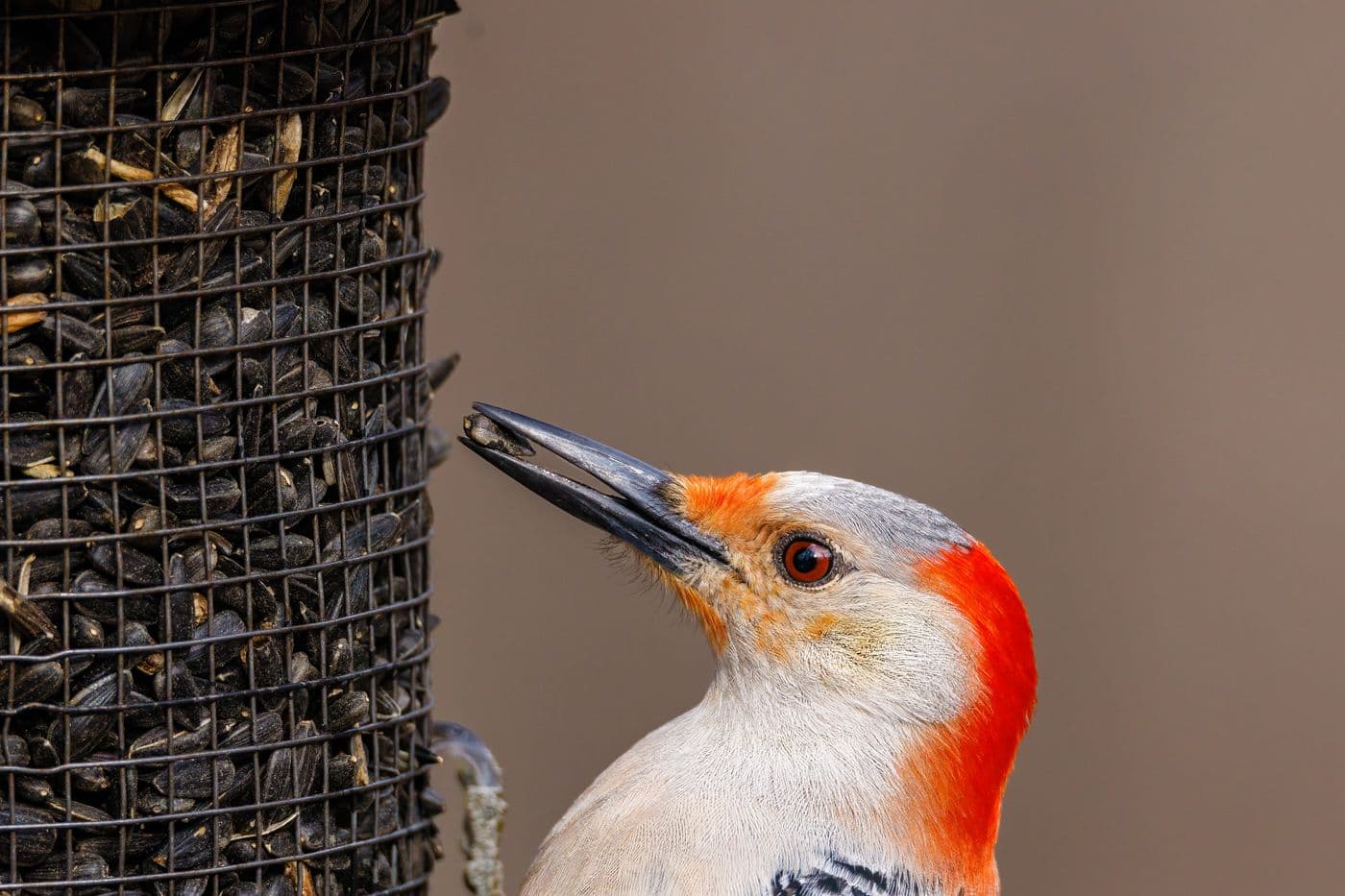
A seed cylinder is compressed seed held together with a binder, and you are buying slowness. It costs considerably more per pound than loose seed and lasts weeks rather than days, because birds have to work seed off the surface instead of scooping it from a port. Buy one if refilling in winter weather is the thing you want to avoid, or if seed spill under the feeder is a problem. Do not buy one if cost per pound is how you judge bird food — on that measure it loses badly to straight black oil sunflower.
Winter Perch is funded by affiliate commission. If you buy through a link on this page we may earn a commission at no extra cost to you, and it never decides a ranking. Full disclosure · how we pick.
Quick picks
Ranked, with the trade-off named. Tap a row for the full write-up; the price button goes straight to Amazon.
| # | Product | Best for | Price |
|---|---|---|---|
| 1 |  Mr. Bird WildBird Feast Seed Cylinder, 4 lbA four-pound compressed seed cylinder from the maker that does this better than anyone. The whole point of the format is that it is slow — a cylinder this size lasts weeks rather than days, which is the opposite of how a tube feeder behaves in a cold snap. | The cylinder to start with | $24.00 · See it on Amazon |
| 2 |  Mr. Bird EZFeeder for Seed CylindersA simple frame that holds a cylinder off a hook and gives birds something to land on. There is not much to it, which is appropriate — the cylinder is the product and the feeder is a bracket. | The holder to buy with the cylinders | $23.98 · See it on Amazon |
| 3 |  Mr. Bird WildBird Feast Cylinder, 2-pack, 1 lb 15 oz eachTwo smaller cylinders instead of one large one. The right first purchase, because the honest question with this format is whether you will accept the cost per pound once you have seen how it behaves. | Trying the format without a big commitment | $24.90 · See it on Amazon |
| 4 | 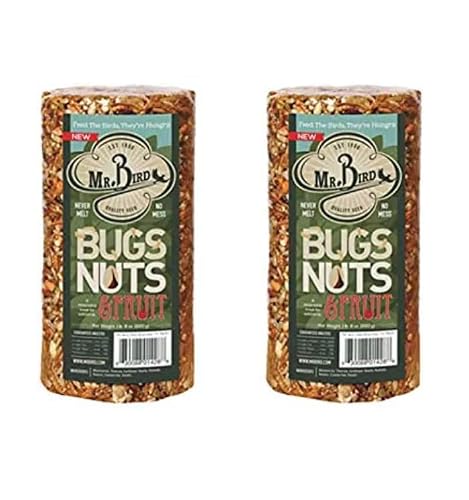 Mr. Bird Bugs, Nuts & Fruit Cylinder, 2-packInsects, nuts and fruit pressed into the same format. This is the cylinder for woodpeckers, nuthatches and bluebirds — the birds that will largely ignore a plain seed cylinder. | Reaching the birds a seed cylinder misses | $33.80 · See it on Amazon |
| 5 | 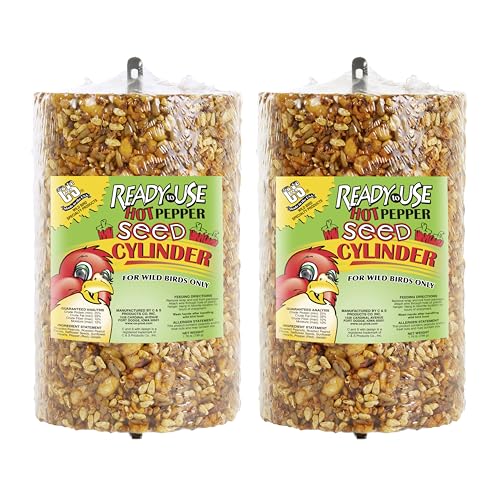 C&S Hot Pepper Seed Cylinder with HangerHot pepper in cylinder form, with a hanger included so there is no second purchase. Capsaicin does not register with birds and does with mammals, which is a real effect — but it is a deterrent, not a barrier, and this site says the same thing about hot pepper suet. | A cylinder squirrels are less likely to carry off | $29.15 · See it on Amazon |
| 6 |  Gamma2 Vittles Vault Bird Seed Storage Container, up to 35 lbAn airtight bin sold specifically for bird seed and rated in pounds rather than gallons, which means you can buy it against the bag you actually buy. The default answer. | The one container most yards need | $28.15 · See it on Amazon |
#ad how we are funded · price as of October 3, 2026
The picks in full
Top pick The cylinder to start with
Mr. Bird WildBird Feast Seed Cylinder, 4 lb
A four-pound compressed seed cylinder from the maker that does this better than anyone. The whole point of the format is that it is slow — a cylinder this size lasts weeks rather than days, which is the opposite of how a tube feeder behaves in a cold snap.
Specifications
- Weight
- 4 lb
- Format
- Compressed seed cylinder
Trade-offs
- Lasts far longer than loose seed, which matters when refilling means going out in weather
- Almost no spill, because birds work the seed off rather than flicking it out
- Holds together in rain and frost better than a loose mix would
- Mr. Bird is the established maker in this format rather than a repackager
- Costs substantially more per pound than buying the same seed loose
- Needs a cylinder feeder or at minimum a hanging hardware, so there is a second purchase
- A slow feeder means slower discovery — expect a quiet first week
- Squirrels can carry an entire small cylinder away if it is not secured
Who it is forSomeone who wants to refill less often in bad weather.
Skip it ifSkip it if cost per pound is your main measure. Loose black oil sunflower feeds more birds for less money.
#ad how we are funded · price as of October 3, 2026
Where these specs came from
No. 2 The holder to buy with the cylinders
Mr. Bird EZFeeder for Seed Cylinders
A simple frame that holds a cylinder off a hook and gives birds something to land on. There is not much to it, which is appropriate — the cylinder is the product and the feeder is a bracket.
Specifications
- Size
- 8.5 x 12 in
- Holds
- Seed cylinders
Trade-offs
- Made by the cylinder maker, so the fit is not a guess
- Keeps the cylinder off the ground and gives perching birds somewhere to stand
- Simple enough that there is nothing to jam or freeze
- You are paying feeder money for what is essentially a bracket
- No weather protection at all — a cylinder in sideways rain softens at the edges
- Does nothing to stop a squirrel working the cylinder
- Sized for Mr. Bird's cylinders, so other brands may not seat properly
Who it is forAnyone committing to the cylinder format.
Skip it ifSkip it if your cylinders come with a hanger, or if you already own a cage feeder a cylinder will sit inside.
#ad how we are funded · price as of October 3, 2026
No. 3 Trying the format without a big commitment
Mr. Bird WildBird Feast Cylinder, 2-pack, 1 lb 15 oz each
Two smaller cylinders instead of one large one. The right first purchase, because the honest question with this format is whether you will accept the cost per pound once you have seen how it behaves.
Specifications
- Weight
- 1 lb 15 oz each, 2-pack
- Format
- Compressed seed cylinder
Trade-offs
- A manageable way to test the format before buying the large cylinders
- Two cylinders lets you run one and keep one sealed, rather than exposing a big one for months
- Same seed and same binding as the large version
- Worse value per pound than the 4 lb cylinder
- A small cylinder empties fast once a flock finds it, undoing the format's main advantage
- Small cylinders are the ones squirrels can carry off whole
Who it is forA first trial of seed cylinders.
Skip it ifSkip it if you already run cylinders. Buy the 4 lb and get the per-pound price.
#ad how we are funded · price as of October 3, 2026
No. 4 Reaching the birds a seed cylinder misses
Mr. Bird Bugs, Nuts & Fruit Cylinder, 2-pack
Insects, nuts and fruit pressed into the same format. This is the cylinder for woodpeckers, nuthatches and bluebirds — the birds that will largely ignore a plain seed cylinder.
Specifications
- Weight
- 1 lb 8 oz each, 2-pack
- Contents
- Insects, nuts and fruit
Trade-offs
- Brings in clinging and insect-eating birds that a seed cylinder does not
- Higher fat and protein than a plain seed cylinder, which is what winter actually calls for
- Same slow-feeding, low-spill behavior as the rest of the format
- Among the most expensive ways to buy bird food per pound, by a distance
- Dried fruit draws starlings, which can undo the point of a quiet feeder
- Smaller cylinders than the seed version, so they go faster
Who it is forA yard with woodpeckers and nuthatches you want to hold.
Skip it ifSkip it if cost matters. A suet cake delivers more fat per dollar to the same birds.
#ad how we are funded · price as of October 3, 2026
No. 5 A cylinder squirrels are less likely to carry off
C&S Hot Pepper Seed Cylinder with Hanger
Hot pepper in cylinder form, with a hanger included so there is no second purchase. Capsaicin does not register with birds and does with mammals, which is a real effect — but it is a deterrent, not a barrier, and this site says the same thing about hot pepper suet.
Specifications
- Format
- Seed cylinder, hanger included
- Additive
- Hot pepper
Trade-offs
- Hanger included, so it works straight out of the box without a cylinder feeder
- Hot pepper genuinely puts most squirrels off, and birds are unaffected by capsaicin
- Same slow-feed, low-mess behavior as every cylinder
- Hot pepper is a deterrent rather than a barrier — a determined squirrel still works it
- Capsaicin dust is unpleasant to handle; wear gloves and keep it off your face
- Costs more per pound than plain seed in any form
- A hanger-only design gives birds less to perch on than a proper cylinder feeder
Who it is forA cylinder in a yard with moderate squirrel pressure.
Skip it ifSkip it if squirrels are your main problem — a baffle on a pole solves that properly and hot pepper does not.
#ad how we are funded · price as of October 3, 2026
No. 6 The one container most yards need
Gamma2 Vittles Vault Bird Seed Storage Container, up to 35 lb
An airtight bin sold specifically for bird seed and rated in pounds rather than gallons, which means you can buy it against the bag you actually buy. The default answer.
Specifications
- Capacity
- Up to 35 lb, as stated by the maker
- Lid
- Threaded screw-on seal with double gaskets
- Material
- BPA-free HDPE plastic
- Origin
- Made in USA
Trade-offs
- Rated in pounds, so it is easy to match to a bag — metal cans are sold in gallons and are not
- A threaded, double-gasketed lid keeps damp out, and damp is what turns stored seed moldy over a winter
- Seals in the smell of the seed, which is a large part of what draws mice to a garage in the first place
- Gamma2 is the established name in airtight feed storage
- Plastic: a rodent with time and no alternative can chew through it — keep it off the floor and away from walls
- Not the choice for an outbuilding with a real rat problem, where metal is the only honest answer
- A screw-top lid is slower to open than a flip lid, and fiddly in gloves
- Tough HDPE is still plastic, so the seal is doing most of the work — it is not a physical barrier the way steel is
Who it is forA garage or utility room with occasional mice, and seed bought by the bag in autumn.
Skip it ifSkip it for a shed or barn with a proper rodent problem. Buy a locking metal can there and accept that it is not airtight.
#ad how we are funded · price as of October 3, 2026
What you are actually paying for
Not better seed. In most cases the ingredients are much the same as a good loose mix. What you are paying for is the pressing, and the pressing changes the behavior of the food in three useful ways.
- It lasts. A four-pound cylinder can run for weeks where four pounds of loose seed in a tube runs for days. In a northern winter that is fewer trips outside, which is the actual product.
- It barely spills. Birds chip seed off a solid surface rather than flicking unwanted seed out of a port hunting for sunflower. The ground under a cylinder stays far cleaner than under a tube, which matters for rodents as much as for tidiness.
- It holds up in weather. A pressed cylinder sheds rain better than loose seed in an open tray, and it does not clump the way damp loose seed does.
The cost of all that is real. Per pound, cylinders sit at the top of the bird-food market. If you are feeding a large flock on a budget, this is the wrong format and nothing about it will become cheaper.
Which birds use a cylinder
Clinging and perching birds, mostly — the ones that can hold position against a vertical surface and work at it.
Chickadees, titmice, nuthatches, woodpeckers, finches and cardinals all take cylinders readily. What a plain seed cylinder does not serve well is the ground layer: juncos, native sparrows and doves want seed on a flat surface, and they will feed on what falls rather than working the cylinder itself. If those birds are your winter yard, a ground tray does more for them than a cylinder will.
For woodpeckers and nuthatches specifically, the insect-and-nut cylinders outperform plain seed ones by a clear margin — same reason suet outperforms seed for those birds generally. Fat and protein beat carbohydrate when it is cold.
How we judged these
How we picked
- Cost per pound stated plainly, because this format's whole weakness is price and pretending otherwise would be dishonest.
- How long it actually lasts, since refill frequency is the reason to buy a cylinder at all.
- Which birds the formulation serves, separating plain seed cylinders from the insect-and-nut ones that reach woodpeckers.
- Vulnerability to squirrels, which for a single solid object is a whole-unit loss rather than a gradual one.
- Whether hanging hardware is included, because a holder is a second purchase people do not expect.
- Weather behavior, where pressed seed genuinely beats loose seed in a tube.
- Weighed against loose seed and suet, both of which sit above cylinders on cost and on winter nutrition respectively.
- Live price and availability, refreshed daily.
We have not tested any of these. What we did instead: read the manufacturers’ own listings, compiled the published specifications, computed the running cost at a cited electricity rate, and refreshed the prices daily. The full method is published.
The squirrel problem
Worth being blunt about, because it is the failure mode that turns an expensive purchase into a bad week.
A cylinder is a single solid object. A squirrel that reaches one does not have to eat it where it stands — it can take the whole thing. People lose entire cylinders this way, which at these prices is a genuinely annoying loss rather than a funny story. Small cylinders are especially vulnerable.
The fix is the usual one and it is not the hot pepper version: put the cylinder on a baffled pole, or inside a cage feeder, or on a hanger a squirrel cannot reach. Hot pepper cylinders exist and capsaicin genuinely does deter mammals while leaving birds unaffected — but as the hot pepper suet page argues at length, it is a deterrent and not a barrier.
What holds it
Less of a purchase than it sounds. A cylinder feeder is essentially a bracket: a rod or frame that holds the cylinder off a hook and gives birds somewhere to stand.
Buy the holder from the cylinder maker if you can, because cylinder diameters are not standardized and a loose fit means the cylinder swings and wears unevenly. Some cylinders ship with their own hanger and need nothing else. And if you already own a cage suet feeder, a small cylinder often sits inside it perfectly well — which solves the squirrel problem at the same time.
Cylinder against loose seed, honestly
| Seed cylinder | Loose seed in a tube | |
|---|---|---|
| Cost per pound | High | Low |
| Refill frequency | Weeks | Days in a cold snap |
| Spill and mess below | Minimal | Significant |
| Birds served | Clinging and perching | Broader, including ground feeders on spill |
| Behavior in rain | Sheds it | Clumps and blocks ports |
| Loss to squirrels | Whole cylinder at once | Gradual |
| Speed of adoption | Slower — expect a quiet first week | Fast |
Both formats are legitimate and most well-run yards end up with both. The cylinder is the low-maintenance station you top up occasionally; the tube is the high-volume one you fill constantly in a freeze.
Expect a slow start
A quiet first week is normal and is not a sign the product is wrong. Birds recognize loose seed instantly and take a while to work out that a solid block is food.
Hang it near an established feeder rather than off on its own, and give it two weeks before judging. If nothing has touched it after that, the problem is usually position rather than the cylinder — why birds are not coming to your feeder works through the causes in order of likelihood.
What we would skip
What we would skip
Cylinders as your main food source on a budget
Per pound this is the most expensive way to buy bird food. If you are feeding a large flock and counting cost, straight black oil sunflower feeds far more birds for the same money.
A small cylinder anywhere a squirrel can reach it
A squirrel can carry a small cylinder away whole, which is a far more expensive loss than a tube of spilled seed. Put it on a baffled pole or inside a cage feeder before you hang it.
A cylinder feeder bought separately when your cylinder has a hanger
Some cylinders ship ready to hang. Check before buying a holder, and check whether a cage suet feeder you already own will take one, which also solves the squirrel problem.
Mismatched holder and cylinder diameters
Cylinder diameters are not standardized across brands. A loose fit lets the cylinder swing and wear unevenly, and a tight one will not seat at all. Buy the holder from the cylinder maker where you can.
Judging a cylinder after three days
Birds recognize loose seed immediately and take time to work out that a solid block is food. A quiet first week is normal. Give it two weeks beside an established feeder before concluding anything.
Hot pepper cylinders as the answer to squirrels
Capsaicin deters most mammals and does not affect birds, which is real, but it is a preference rather than a barrier. A determined squirrel still works at it. A baffle solves the problem properly.
Where this fits
A cylinder is a convenience purchase, and a good one if that is what you need. It is not a nutrition upgrade: fat still beats carbohydrate in cold weather, so suet remains the first thing to get right. The winter seed roundup covers the loose options, and seed storage applies to spare cylinders exactly as it does to bags.
Questions people actually ask
- Are bird seed cylinders worth it?
- Worth it if you want to refill less often in winter weather, or if spill under the feeder is a problem. Not worth it if you judge bird food on cost per pound, because cylinders sit at the top of the market and loose sunflower feeds more birds for less.
- How long does a seed cylinder last?
- Weeks rather than days for a four-pound cylinder in a typical yard, because birds chip seed off a solid surface instead of scooping it from a port. That slowness is the product. A busy yard with a large flock will get through one considerably faster.
- Do I need a special feeder for a seed cylinder?
- Usually a holder, though some cylinders ship with their own hanger. Cylinder diameters are not standardized, so buy the holder from the cylinder maker where possible. A cage suet feeder you already own will often take a small cylinder, which also helps with squirrels.
- Will squirrels take a seed cylinder?
- Yes, and the problem is that they can take the whole thing rather than eating a bit of it. Small cylinders are especially vulnerable. Mount it on a baffled pole or inside a cage before hanging it anywhere squirrels reach.
- Which birds eat seed cylinders?
- Chickadees, titmice, nuthatches, woodpeckers, finches and cardinals — the birds that can hold position against a vertical surface. Ground feeders such as juncos, native sparrows and doves mostly feed on what falls, so a tray serves them better.
- Why are the birds ignoring my new cylinder?
- A quiet first week is normal: birds recognize loose seed instantly and take time to learn that a solid block is food. Hang it near an established feeder and give it two weeks before judging it.
Sources
Read next
- The Best Bird Seed for Winter
Five winter seeds ranked on usable fat, shell thickness and species reach — plus the cheap mix that is worth avoiding.
- Suet vs Seed in Cold Weather
Fat versus carbohydrate in the cold, who eats which, and the proportion to run in a real winter yard.
- The Best Squirrel Baffles for Feeder Poles
Stovepipe, wrap-around, post and hanging-dome baffles ranked by what they mount to, plus the height and clearance numbers that decide whether one works.
- The Best Bird Seed Storage Containers
Galvanized cans against airtight bins, ranked on which winter threat each one stops — rodents, raccoons or damp — plus where to put the container so it works.