Winter birding / Roundup
Binocular Tripod Adapters
This site keeps telling you that 10x and 12x want a tripod. This is the part that actually attaches them to one, and the check you do before buying it.
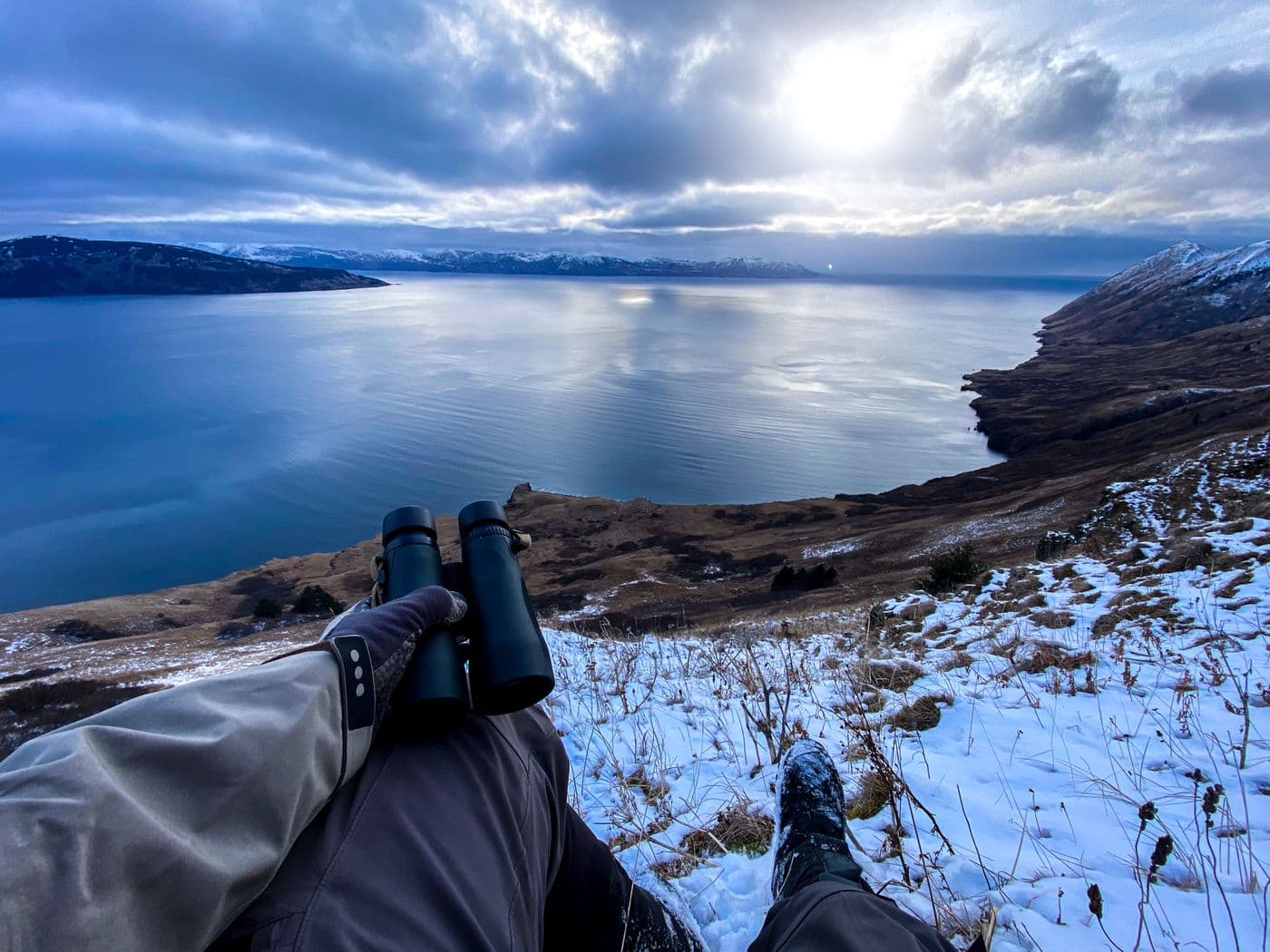
Check your binoculars first, before buying anything. Most tripod-adaptable binoculars have a small dust cap on the front of the center hinge — unscrew it and you should find a 1/4-20 threaded socket. If there is no socket, no adapter will fit and you need a different approach. If there is one, an L-shaped bracket screws in and bolts to a tripod head. The adapter is the cheap part; the tripod is the real purchase, and a wobbly tripod makes the whole exercise pointless.
Winter Perch is funded by affiliate commission. If you buy through a link on this page we may earn a commission at no extra cost to you, and it never decides a ranking. Full disclosure · how we pick.
Quick picks
Ranked, with the trade-off named. Tap a row for the full write-up; the price button goes straight to Amazon.
| # | Product | Best for | Price |
|---|---|---|---|
| 1 | 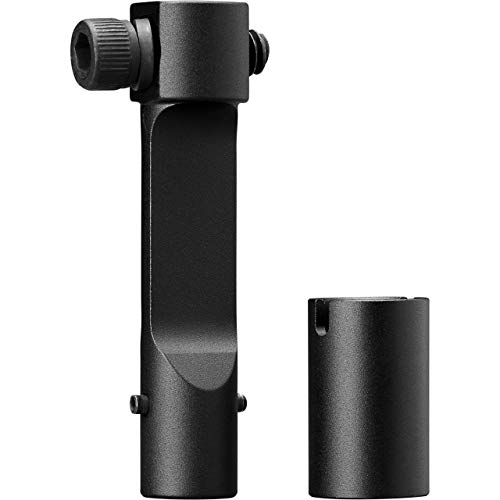 Vortex Sport Binocular AdapterVortex's conventional screw-in adapter, at a fraction of the Pro's price. This is the sensible default for most people: it does the one thing an adapter has to do, and it comes from a company with a warranty department. | A known brand at a sane price | $18.99 · See it on Amazon |
| 2 |  Celestron Binocular Tripod AdapterA plain 1/4-20 screw-in bracket from a long-standing optics maker, at a price that makes the decision easy. There is almost nothing to say about it, which for a piece of metal with a thumbscrew is the correct outcome. | The cheapest adapter from a brand that exists | $14.98 · See it on Amazon |
| 3 |  Vortex Pro Binocular AdapterA stud-and-clamp system rather than a screw-in bracket: a small stud stays on the binocular and the clamp lives on the tripod, so mounting is one motion instead of thirty seconds of threading. That is the whole argument, and in winter it is a better argument than it sounds. | Mounting and unmounting in gloves, repeatedly | $68.99 · See it on Amazon |
| 4 |  FANAUE S3 Binocular Tripod Adapter, Arca Quick ReleaseAn adapter with an Arca-Swiss dovetail built in, which matters if your tripod head takes Arca plates — most modern ball heads do. It removes a whole layer of adapter-on-adapter, which is where play and wobble come from. | A tripod head that already speaks Arca | $26.99 · See it on Amazon |
| 5 |  Universal Metal Binocular Tripod AdapterA few dollars for a metal L-bracket. The honest case for it: a lot of people buy an adapter, use it twice and discover they do not want to carry a tripod. Finding that out cheaply is a legitimate purchase strategy. | Finding out whether you will use a tripod at all | $5.99 · See it on Amazon |
| 6 |  K&F Concept 73 in Tripod with Fluid HeadSeventy-three inches and a fluid head, which is the feature that matters — a fluid head pans smoothly enough to follow a bird instead of jerking past it. | A fluid head without a specialist price | $69.99 · See it on Amazon |
#ad how we are funded · price as of October 3, 2026
The picks in full
Top pick A known brand at a sane price
Vortex Sport Binocular Adapter
Vortex's conventional screw-in adapter, at a fraction of the Pro's price. This is the sensible default for most people: it does the one thing an adapter has to do, and it comes from a company with a warranty department.
Specifications
- Type
- Screw-in bracket
- Fits
- Binoculars with a 1/4-20 hinge socket
Trade-offs
- A real brand for a few dollars more than the anonymous listings
- Universal 1/4-20 fitting rather than a proprietary system
- Nothing to fail: it is a piece of shaped metal and a thumbscrew
- Threading it on and off is slow, and genuinely awkward in gloves
- Still needs a tripod with a head, which is the real expense
- No quick release, so it tends to stay attached to the binocular all day
Who it is forMost people buying their first binocular adapter.
Skip it ifSkip it if you will mount and dismount repeatedly through a session — the stud systems exist for exactly that and are worth their premium there.
#ad how we are funded · price as of October 3, 2026
Where these specs came from
No. 2 The cheapest adapter from a brand that exists
Celestron Binocular Tripod Adapter
A plain 1/4-20 screw-in bracket from a long-standing optics maker, at a price that makes the decision easy. There is almost nothing to say about it, which for a piece of metal with a thumbscrew is the correct outcome.
Specifications
- Type
- Screw-in bracket
- Thread
- Standard 1/4-20
Trade-offs
- Cheapest route to a branded adapter, and it undercuts the other named options here
- Standard thread, so it fits any tripod head and any socketed binocular
- Celestron has been making optics accessories for decades
- Plastic in the body on a part that is handled in cold, and cold plastic is what cracks
- Slow to thread on, like every screw-in bracket
- No quick release and no Arca compatibility
- Thumbscrew is small for gloved fingers
Who it is forA first adapter, bought to find out whether you will use a tripod at all.
Skip it ifSkip it if you already know you want Arca quick-release on a modern tripod head. Buy the right standard once.
#ad how we are funded · price as of October 3, 2026
No. 3 Mounting and unmounting in gloves, repeatedly
Vortex Pro Binocular Adapter
A stud-and-clamp system rather than a screw-in bracket: a small stud stays on the binocular and the clamp lives on the tripod, so mounting is one motion instead of thirty seconds of threading. That is the whole argument, and in winter it is a better argument than it sounds.
Specifications
- Type
- Quick-release stud and clamp
- Fits
- Binoculars with a 1/4-20 hinge socket
Trade-offs
- Mount and dismount in one motion, which is the difference between using a tripod and leaving it in the car
- The stud stays on the binocular, so there is no small part to drop in snow
- Rigid metal connection with no play once clamped
- Vortex build and warranty behind it rather than an anonymous listing
- Several times the price of a plain L-bracket that does the same core job
- Proprietary clamp, so you are buying into one system rather than a universal part
- The stud sits permanently on the binocular hinge and is mildly in the way when hand-holding
- Overkill if you mount a tripod twice a season
Who it is forSomeone who will genuinely use a tripod often, in cold weather.
Skip it ifSkip it if you expect to mount the binoculars occasionally. A fourteen-dollar bracket does the same job slower, and slower is fine twice a year.
#ad how we are funded · price as of October 3, 2026
Where these specs came from
No. 4 A tripod head that already speaks Arca
FANAUE S3 Binocular Tripod Adapter, Arca Quick Release
An adapter with an Arca-Swiss dovetail built in, which matters if your tripod head takes Arca plates — most modern ball heads do. It removes a whole layer of adapter-on-adapter, which is where play and wobble come from.
Specifications
- Type
- Arca-Swiss quick release
- Threads
- 1/4 inch and 3/8 inch
Trade-offs
- Arca dovetail drops straight onto a modern ball head without a separate plate
- Fewer stacked interfaces means less play, which is the whole point of a tripod
- Both 1/4 and 3/8 threads, so it works across tripod standards
- Quick release without buying into a proprietary system
- Pointless if your tripod head is not Arca-compatible, and plenty are not
- Costs more than a plain bracket for a convenience you may not be able to use
- Unfamiliar brand with less of a track record than Vortex or Celestron
- Arca clamps vary in tolerance between makers, so fit is not always as universal as the standard implies
Who it is forSomeone who already owns an Arca-compatible head.
Skip it ifSkip it if you do not know what head you have, or if your tripod came with a proprietary plate. Check before ordering.
#ad how we are funded · price as of October 3, 2026
No. 5 Finding out whether you will use a tripod at all
Universal Metal Binocular Tripod Adapter
A few dollars for a metal L-bracket. The honest case for it: a lot of people buy an adapter, use it twice and discover they do not want to carry a tripod. Finding that out cheaply is a legitimate purchase strategy.
Specifications
- Type
- Screw-in L-bracket
- Material
- Metal
Trade-offs
- Cheap enough that an unused adapter is not a wasted purchase
- Metal rather than plastic, which is more than some pricier adapters manage
- Standard 1/4-20 fitting works with any socketed binocular and any tripod
- No brand, no warranty, no recourse if the thread is cut badly
- Machining tolerance is the variable at this price, and a sloppy thread means a binocular that rocks on the mount
- Small thumbscrew, awkward in gloves, easy to drop in snow
- No quick release of any kind
Who it is forA cheap test of whether tripod birding suits you.
Skip it ifSkip it if you have already decided you want this. A branded adapter costs a few dollars more and removes the tolerance lottery.
#ad how we are funded · price as of October 3, 2026
No. 6 A fluid head without a specialist price
K&F Concept 73 in Tripod with Fluid Head
Seventy-three inches and a fluid head, which is the feature that matters — a fluid head pans smoothly enough to follow a bird instead of jerking past it.
Specifications
- Height
- 73 in
- Head
- Fluid
- Material
- Aluminum
Trade-offs
- A fluid head is the single feature that separates a usable scope tripod from a frustrating one
- Seventy-three inches is tall enough to use standing, which matters on a cold morning
- Far cheaper than the specialist optics tripods for the same core function
- Doubles as a camera tripod, so it is not single-purpose
- Aluminum and budget-priced, so it is heavier and less rigid than a specialist tripod at the same height
- Extended to full height it will shake in wind — the top section is always the weakest
- Made for cameras, so the load rating is worth checking against a heavy 80 mm scope
- Leg locks at this price wear faster, and a slipping leg on frozen ground is genuinely annoying
Who it is forPairing with a budget or mid-range scope where a specialist tripod would cost more than the optic.
Skip it ifSkip it if you bought an 80 mm scope and plan to use it in wind. The extra rigidity of a scope-rated tripod is what you are paying for there.
#ad how we are funded · price as of October 3, 2026
Where these specs came from
The check that comes before the purchase
Do this now, with the binoculars in front of you. It takes ten seconds and it decides whether anything on this page is relevant to you.
Hold the binoculars with the objective lenses — the big end — pointing away from you. Look at the front of the central hinge, between the two barrels. On most full-size roof-prism binoculars there is a small cap there, often knurled, sometimes with a maker's logo on it. Unscrew it. Underneath you should see a threaded socket, 1/4-20, which is the same thread a camera tripod uses.
If there is a socket, you are fine — any standard adapter will fit. If the cap does not unscrew, or there is no cap at all, your binoculars are not tripod-adaptable in the normal way. That is common on compact models and on some porro-prism designs, and it is not a defect: the socket adds cost and bulk that a pocket optic does not want.
One more wrinkle worth knowing: several premium makers, Vortex among them, use a stud system instead. A small stud fixes permanently to the hinge socket, and a clamp on the tripod accepts it. Mounting becomes one motion rather than thirty seconds of threading, which matters more than it sounds in January.
| Type | How it works | Best when | Watch out for |
|---|---|---|---|
| Screw-in L-bracket | Threads into the hinge socket, bolts to the head | Occasional use, any tripod | Slow and fiddly in gloves |
| Stud and clamp | Stud stays on the binocular, clamp on the tripod | Frequent mounting in cold | Proprietary; you buy into one system |
| Arca quick release | Bracket with an Arca dovetail built in | A head that already takes Arca plates | Useless if your head is not Arca |
All three need the same 1/4-20 hinge socket on the binocular. The difference is entirely in what happens between the bracket and the tripod head, which is why the right answer depends on the tripod you already own rather than on the binoculars.
When a tripod is actually worth carrying
Narrower than the accessory market suggests, and worth being honest about before you spend money.
- Scanning open water. A frozen lake edge with distant waterfowl is the case this exists for. You are holding on one spot for minutes at a time, and handheld 10x will not settle.
- 10x and above. Magnification multiplies your tremor exactly as much as it multiplies the bird — the same argument 8x42 against 10x42 makes about handheld use, and the reason the monocular page says a 12x needs support.
- Cold hands. This is the winter-specific part. Hands that are cold shake more, and the shake gets worse the longer you hold position. A tripod removes the variable entirely.
- Long static sessions. A hide, a car window, a fixed vantage over a marsh. If you are standing in one place for an hour, the tripod stops being a burden and starts being a chair for your arms.
- Sharing a view. Getting someone else onto a distant bird is almost impossible handheld and trivial on a tripod.
What a tripod is not for: feeder watching, hedgerows, woodland edge, or any walking. For those, 8x42 handheld with a harness taking the weight is faster, lighter and better. A tripod turns birding into a stationary activity, which suits some days and ruins others.
How we judged these
How we picked
- The hinge-socket requirement stated first, because an adapter that cannot attach is the one real failure in this category.
- Metal over plastic, since cold plastic under thumbscrew torque is the part that breaks in winter.
- Standard 1/4-20 fitting preferred over proprietary, unless the proprietary system buys something specific like one-motion mounting.
- Glove usability, which is a real criterion on a part handled outdoors in January and one that no listing mentions.
- Honest about where stability comes from — the tripod, not the bracket — rather than selling the adapter as the upgrade.
- Arca compatibility flagged as conditional, because it is excellent with the right head and worthless with the wrong one.
- A brand with a warranty where the step up is small, which at the bottom of this category it usually is.
- Live price and availability, refreshed daily.
We have not tested any of these. What we did instead: read the manufacturers’ own listings, compiled the published specifications, computed the running cost at a cited electricity rate, and refreshed the prices daily. The full method is published.
The adapter is cheap; the tripod decides everything
This is the part that gets the budget backwards, and it is the same argument the spotting scope page makes at greater length.
Adapters here run from a few dollars to around ten times that, and the difference between them is convenience rather than stability — they are all rigid metal connections to the same socket. The tripod is where stability actually comes from. A good adapter on a flimsy aluminum tripod gives you a shaky image with extra steps, and that is the commonest way this purchase disappoints.
If you are buying a tripod alongside the adapter, prioritize a head that pans smoothly over leg specification. Birding is tracking, not framing: a fluid or video head follows a bird across water, and a photographic ball head either locks or flops with very little in between. That one choice matters more than carbon fiber or leg-section count.
Winter problems nobody mentions
Four of them, and they are the reason an expensive quick-release system can be worth it on a part that is otherwise a bracket.
- Thumbscrews and gloves do not mix. Every screw-in adapter has a small knurled screw, and you will be taking a glove off to use it. That is how fingers get cold and how small metal parts get dropped into snow.
- Cold metal conducts. Bare skin on a frozen aluminum bracket is briefly unpleasant and, at genuinely low temperatures, worse than unpleasant. Mount before you are cold, not after.
- Fluid heads stiffen. The damping grease in a fluid head thickens as the temperature drops, so a head that panned beautifully in October drags in January. It is not broken; it is cold.
- Plastic goes brittle. Several budget adapters use a plastic body or a plastic thumbscrew. Cold plastic under torque is the thing that snaps, and it snaps at the worst moment. Metal is worth the small premium here.
Mounting it, in order
- Unscrew the hinge cap and keep it somewhere specific — a pocket you will remember, not the ground. It is small, dark and easy to lose in snow.
- Thread the adapter in finger-tight, then a fraction more. Over-tightening into an alloy socket is how threads get stripped, and a stripped hinge socket is not repairable at home.
- Bolt the adapter to the head before extending the legs, so you are working at waist height rather than kneeling.
- Set the height standing straight. The commonest mistake is a tripod set slightly too low, which puts a crick in your neck over an hour and defeats the comfort the tripod was bought for.
- Check for play by nudging the binoculars. Any rock or wobble is a loose interface, usually the bracket-to-head bolt rather than the adapter itself.
What we would skip
What we would skip
Any adapter, before checking for the hinge socket
If the cap on the front of the center hinge does not unscrew to reveal a 1/4-20 socket, no standard adapter will fit. This is common on compact binoculars and some porro designs. Ten seconds of checking saves the whole purchase.
A good adapter on a flimsy tripod
Every adapter here is a rigid metal link to the same socket, so stability comes from the tripod rather than the bracket. A cheap aluminum tripod gives you a shaky image with extra steps, which is the commonest disappointment in this category.
Plastic-bodied adapters for winter use
Cold plastic under torque is what snaps, and a thumbscrew is exactly where the torque goes. Metal costs a few dollars more and removes the failure mode entirely.
An Arca adapter without checking your tripod head
Arca quick release is genuinely better when the head takes Arca plates and completely useless when it does not. Plenty of tripods ship with proprietary plates. Check before ordering, not after.
A premium stud system for occasional use
Stud-and-clamp systems earn their price by making mounting a one-motion job, which matters if you do it repeatedly in gloves. If you will mount a tripod twice a season, a basic bracket does the same job slower, and slower is fine.
A tripod for feeder watching or woodland
A tripod makes birding stationary. For feeders, hedgerows and anything involving walking, 8x42 handheld with a harness is faster and better. The tripod case is open water, high magnification and long static sessions.
A photographic ball head for birding
Birding is tracking rather than framing. A ball head tends to either lock solid or flop, with little useful range between. A fluid or video head that pans smoothly is the specification that matters, more than legs or materials.
Where this fits
An adapter is a small purchase that fixes a specific complaint: a bird that will not hold still in the view because your hands will not hold still. If that complaint is about distance rather than shake, the answer is probably a spotting scope instead — and that page leads by saying most birders do not need one. If the complaint is neck and weight rather than shake, a binocular harness is the cheaper fix. And if you are still choosing the binoculars themselves, the winter binocular roundup comes first.
Questions people actually ask
- Can any binoculars be mounted on a tripod?
- No. Most full-size roof-prism binoculars have a small cap on the front of the center hinge that unscrews to reveal a 1/4-20 threaded socket. If there is no socket, a standard adapter will not fit. Compact binoculars and some porro-prism designs often lack one.
- Where is the tripod socket on binoculars?
- On the front of the central hinge, between the two barrels, at the objective-lens end. It is usually hidden under a small knurled cap that unscrews. The thread underneath is 1/4-20, the same standard a camera tripod uses.
- Do I need an expensive binocular tripod adapter?
- Usually not. Every adapter is a rigid metal link to the same socket, so they do not differ much in stability — they differ in convenience. Pay more only for a quick-release or stud system, and only if you will mount and dismount often in cold weather.
- What kind of tripod head is best for binoculars?
- One that pans smoothly — a fluid or video head. Birding is tracking a moving bird rather than framing a static subject, and a photographic ball head tends to either lock solid or flop. The head matters more than leg material or section count.
- Is a tripod worth it for binoculars?
- For scanning open water, for 10x and above, for long static sessions, and for cold hands that shake more the longer you hold position. Not for feeder watching, hedgerows or anything involving walking, where a harness and handheld 8x42 is better.
- Should I buy a tripod adapter or a spotting scope?
- Depends which problem you have. If the view is shaky, an adapter and a decent tripod fix it for very little. If the bird is simply too far away to resolve, that is a magnification problem and a scope is the answer — though our scope page leads by saying most birders do not need one.
Sources
Read next
- The Best Binoculars for Winter Birding
Why 8x42 and nitrogen purging are the winter answer, and two pairs worth the money — plus the honest note about our keyword data.
- 8x42 vs 10x42 Binoculars for Birding
Exit pupil, field of view and hand shake decide this, not preference. The arithmetic laid out, plus two same-model pairs so the comparison is honest.
- The Best Spotting Scopes for Birding
Four scopes and two tripods, ranked on objective size, steadiness and the magnification you can actually use — plus an honest answer on whether you need one.
- The Best Binocular Harnesses
Elastic chest harnesses ranked on load spreading and adjustment range, with the winter-coat fit problem stated plainly.