Winter birding / Roundup
The Best Binocular Harnesses
The cheapest upgrade in birding optics is not glass. It is moving the weight off your neck — and in winter, over a thick coat, the fit is the part nobody warns you about.
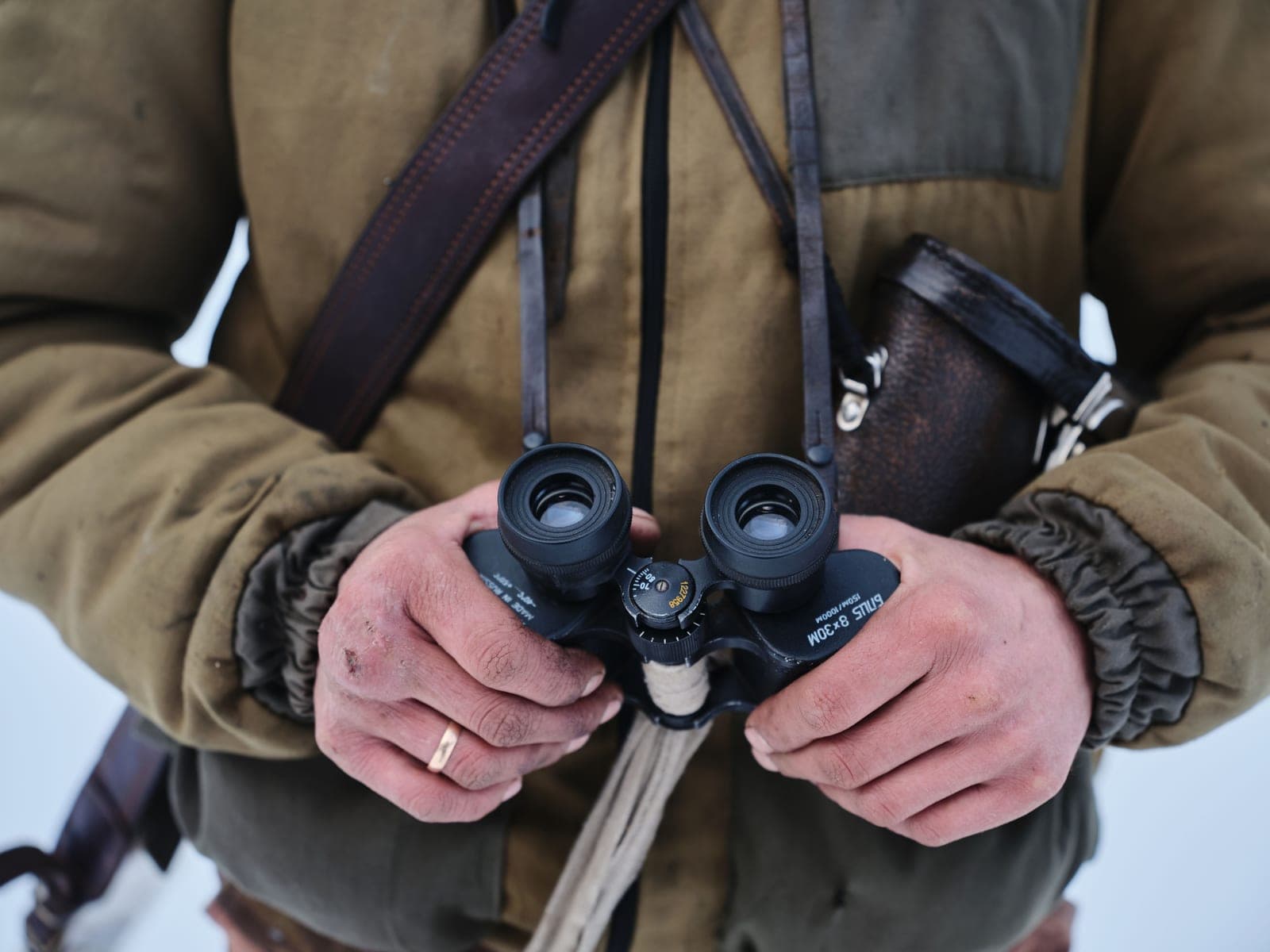
A harness moves the weight of a binocular from your neck to your shoulders and holds it against your chest so it stops swinging. That is the whole product, and it costs a fraction of any optic. The Vortex harness is the pick, on the warranty as much as the strap. Buy one after the binocular, not instead of a better one.
Winter Perch is funded by affiliate commission. If you buy through a link on this page we may earn a commission at no extra cost to you, and it never decides a ranking. Full disclosure · how we pick.
Quick picks
Ranked, with the trade-off named. Tap a row for the full write-up; the price button goes straight to Amazon.
| # | Product | Best for | Price |
|---|---|---|---|
| 1 | 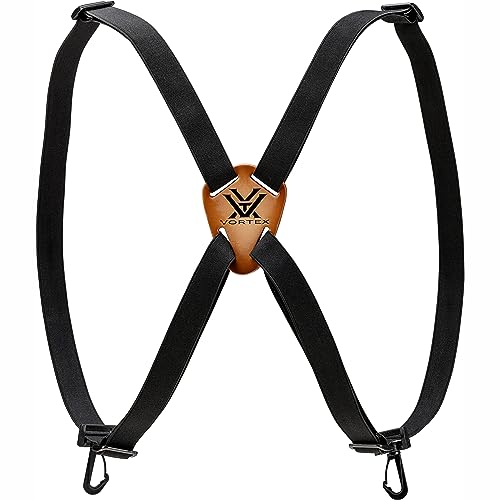 Vortex Binocular Harness StrapAn elastic chest harness that moves the weight of a binocular off your neck and onto your shoulders, backed by the same VIP warranty as Vortex optics. | The harness to buy | $24.00 · See it on Amazon |
| 2 |  Nikon 6121 PROSTAFF Binocular HarnessNikon's own harness, and the obvious pairing if your binocular is a PROSTAFF. Functionally similar to the Vortex, at a slightly lower price. | Matching the binocular you already own | $19.59 · See it on Amazon |
| 3 |  Rick Young Outdoors Premium Binocular HarnessA wider, more adjustable harness aimed at people carrying real weight all day. Worth it if your binocular is heavy or the sessions are long. | Heavier optics and longer days | $29.99 · See it on Amazon |
| 4 |  Nikon PROSTAFF P3 8x42 BinocularsO-ring sealed and nitrogen purged, which is the spec that matters when you carry glass from a cold yard into a warm kitchen twice a day. | Winter birding, because of the nitrogen purge | $129.95 · See it on Amazon |
#ad how we are funded · price as of September 21, 2026
The picks in full
Top pick The harness to buy
Vortex Binocular Harness Strap
An elastic chest harness that moves the weight of a binocular off your neck and onto your shoulders, backed by the same VIP warranty as Vortex optics.
Specifications
- Type
- Chest harness
- Warranty
- Vortex VIP — unlimited lifetime, transferable
Trade-offs
- Takes the load off the neck, which is the entire point and is felt within an hour
- Holds the binocular against the chest so it does not swing when you walk or bend
- Elastic, so the binocular still lifts to the eyes without unclipping anything
- Covered by Vortex's VIP warranty, which is unlimited, lifetime and transferable
- Over a thick winter coat the straps need re-adjusting, and they are fiddly in gloves
- A chest harness sits over a zip, so getting into a jacket pocket means working around it
- Elastic loses tension over years of use
- Not adjustable enough for every body shape — some people find the X-back sits wrong
Who it is forAnyone who carries binoculars for more than an hour at a time.
Skip it ifSkip it if your birding is from a window or a car. A harness solves a carrying problem you do not have.
#ad how we are funded · price as of September 21, 2026
No. 2 Matching the binocular you already own
Nikon 6121 PROSTAFF Binocular Harness
Nikon's own harness, and the obvious pairing if your binocular is a PROSTAFF. Functionally similar to the Vortex, at a slightly lower price.
Specifications
- Type
- Binocular harness
- Model
- 6121 PROSTAFF
Trade-offs
- Same core benefit — weight onto the shoulders, binocular held against the chest
- From the maker of the binoculars this site recommends, so the attachment fit is known
- Usually the least expensive of the branded harnesses
- No warranty comparable to Vortex's VIP
- Straps are less generously padded than the premium harnesses
- Same winter-coat adjustment problem as any chest harness
Who it is forA Nikon binocular owner who wants the matching accessory.
Skip it ifSkip it if you want the strongest warranty in the category. The Vortex is barely more and is covered for life.
#ad how we are funded · price as of September 21, 2026
Where these specs came from
No. 3 Heavier optics and longer days
Rick Young Outdoors Premium Binocular Harness
A wider, more adjustable harness aimed at people carrying real weight all day. Worth it if your binocular is heavy or the sessions are long.
Specifications
- Type
- Premium adjustable chest harness
- Adjustment
- Adjustable chest strap
Trade-offs
- Wider straps spread the load better than the thin elastic harnesses
- More adjustment range, which is what makes a harness work over a bulky winter coat
- Aimed at all-day carry rather than an hour's walk
- Most expensive harness here, for a benefit only heavy optics really surface
- More straps to adjust, and more to get tangled putting it on
- Overkill for a compact 8x42 on a short walk
Who it is forCarrying heavy binoculars, or a binocular and a camera, for a full day.
Skip it ifSkip it for a light 8x42 and short outings. The simpler elastic harnesses do that job for less.
#ad how we are funded · price as of September 21, 2026
No. 4 Winter birding, because of the nitrogen purge
Nikon PROSTAFF P3 8x42 Binoculars
O-ring sealed and nitrogen purged, which is the spec that matters when you carry glass from a cold yard into a warm kitchen twice a day.
Specifications
- Configuration
- 8x42
- Field of view
- 377 ft at 1,000 yd
- Sealing
- O-ring sealed, nitrogen purged
- Body
- Rubber armored
- Eye relief
- Long — works over glasses
Trade-offs
- Nitrogen purging stops internal fogging on the cold-to-warm transition that defines winter birding
- 377 ft of field makes finding a moving bird in bare branches far easier
- 8x is steady in gloved, cold hands where 10x is not
- Long eye relief means it works with spectacles on
- 42 mm objectives are bulky for a coat pocket
- 8x is not enough reach for distant waterfowl
- The rubber armor stiffens noticeably in deep cold
Who it is forThe main pair for backyard and local winter birding.
Skip it ifSkip it if you mostly scan a frozen lake for ducks at range. You want 10x and a tripod, not 8x42.
#ad how we are funded · price as of September 21, 2026
What a harness actually fixes
Two problems, and both get worse the longer you are out.
Neck load. A mid-size 8x42 is a real weight hanging from a thin strap on the back of your neck. For twenty minutes it is nothing. Over a three-hour walk it is the reason people stop carrying binoculars, and it is why the strap is the first thing experienced birders replace.
Swing. On a neck strap the binocular hangs free. Bend to look at something, climb a stile, scramble down a bank, and it swings forward and hits whatever is in front of you — including the binocular against a gatepost, which is how objective lenses get chipped. A chest harness holds it flat against you.
How we judged these
How we picked
- Whether it moves load to the shoulders, which is the definition of a harness and disqualifies padded neck straps.
- Adjustment range, weighted heavily because winter layers change the fit more than anything else.
- Strap width against the weight carried, since thin elastic under heavy optics digs in.
- Whether the binocular can be raised without unclipping, which is what matters when a bird appears briefly.
- Warranty, where a maker offers one worth having.
- Live price and availability, refreshed daily.
We have not tested any of these. What we did instead: read the manufacturers’ own listings, compiled the published specifications, computed the running cost at a cited electricity rate, and refreshed the prices daily. The full method is published.
The winter problem nobody mentions
Harnesses are almost always reviewed by people wearing a shirt. In winter you are wearing a base layer, a fleece and a shell, and that changes three things.
- The fit changes with the layers. A harness adjusted over a jacket is loose over a shirt and tight over a parka. The ones with a wide adjustment range are worth more in winter than their spec sheet suggests.
- Adjusting buckles in gloves is genuinely hard. Set it up indoors, wearing what you will actually be wearing, before you go out.
- It sits over your zip. A chest harness crosses the front of a jacket, so reaching an inside pocket or opening the coat means working around it. Some people find this decisive.
There is one winter benefit too: a binocular held against your chest, inside or over a coat, stays warmer than one swinging in cold air, which slightly reduces the fogging you get when moving between cold and warm. It is a small effect and not a reason to buy on its own.
Elastic or fixed?
The two designs on the market, and the difference matters more than the branding.
| Elastic harness | Fixed-strap harness | |
|---|---|---|
| Lifting to the eyes | Stretches — no unclipping | Must have enough slack built in |
| Holding it still | Good | Better — no bounce |
| Bounce when walking fast | Some | Minimal |
| Over a bulky coat | More forgiving | Needs more adjustment |
| Long-term wear | Elastic slackens over years | Holds its adjustment |
Most birding harnesses are elastic, because being able to raise the binocular without unclipping anything is what you want when a bird appears for two seconds.
Fitting it properly
- Put on the clothes you will wear. Not a t-shirt. The whole adjustment depends on the layers.
- Set the height so the binocular sits at the bottom of your sternum. Too high and it interferes with your chin; too low and it swings and bangs on your belt.
- Check you can raise it to your eyes without leaning. If you have to stretch your neck down to meet it, it is too low.
- Tighten the back until the weight is on your shoulders, not pulling your neck forward.
- Check it does not block your jacket zip at the point you actually need to open it.
What we would skip
What we would skip
A harness before a decent binocular
A harness changes how comfortably you carry your optics, not what you see through them. If the binocular is the limiting factor, that is where the money goes first.
A camera neck strap sold as a harness
A padded neoprene neck strap is still a neck strap — it spreads the load across your neck rather than moving it to your shoulders, and the binocular still swings freely.
Fitting it over a t-shirt in July for use in January
The adjustment that fits a shirt is unusably tight over a parka, and buckles are very hard to adjust in gloves. Set it up wearing the layers you will actually wear.
A minimal harness for heavy optics
Thin elastic under a heavy binocular digs in and defeats the point. If you carry something substantial, or a binocular and a camera, the wider premium harnesses exist for exactly that.
A harness for window and car birding
It solves a carrying problem. If your binocular lives on a windowsill or a car seat, there is nothing here to fix.
Where this fits
This is an accessory to a purchase covered elsewhere: binoculars for beginners for a first pair, 8x42 vs 10x42 for the configuration. If carrying weight is the problem rather than the strap, a monocular is the other answer — and if you have gone the other way and bought a spotting scope, the carrying problem is a tripod problem instead.
Questions people actually ask
- What does a binocular harness do?
- It moves the weight from your neck to your shoulders and holds the binocular against your chest so it stops swinging. Both matter more the longer you are out and the more you bend or climb.
- Is a binocular harness worth it?
- For anyone carrying binoculars more than an hour at a time, yes — it is among the cheapest meaningful upgrades in birding. It does not improve what you see, only how long you will comfortably carry what you own.
- Do binocular harnesses work over a winter coat?
- Yes, but the fit changes with the layers. Adjust it wearing what you will actually wear, indoors, because the buckles are difficult to work in gloves and a shirt-fitted harness is unusable over a parka.
- Elastic or fixed binocular harness?
- Elastic for birding. It lets you raise the binocular to your eyes without unclipping anything, which is what you need when a bird shows for two seconds. Fixed straps hold steadier but are less forgiving over bulky clothing.
- Can I use a camera strap as a binocular harness?
- A padded camera neck strap is still a neck strap — the load stays on your neck and the binocular still swings. A chest harness is a different thing and is what solves both problems.
- Where should a binocular sit on a harness?
- Around the bottom of your sternum. Too high and it catches your chin; too low and it swings against your belt, and you end up leaning down to meet it rather than raising it to your eyes.
Sources
Read next
- The Best Binoculars for Beginner Bird Watching
Four binoculars across three price tiers, ranked on the specs that matter for a first pair — with the honest floor below which they are not worth buying.
- 8x42 vs 10x42 Binoculars for Birding
Exit pupil, field of view and hand shake decide this, not preference. The arithmetic laid out, plus two same-model pairs so the comparison is honest.
- The Best Spotting Scopes for Birding
Four scopes and two tripods, ranked on objective size, steadiness and the magnification you can actually use — plus an honest answer on whether you need one.
- The Best Monoculars for Birding
Four monoculars ranked on objective size and honest magnification, with a straight answer on when binoculars are the better buy.